
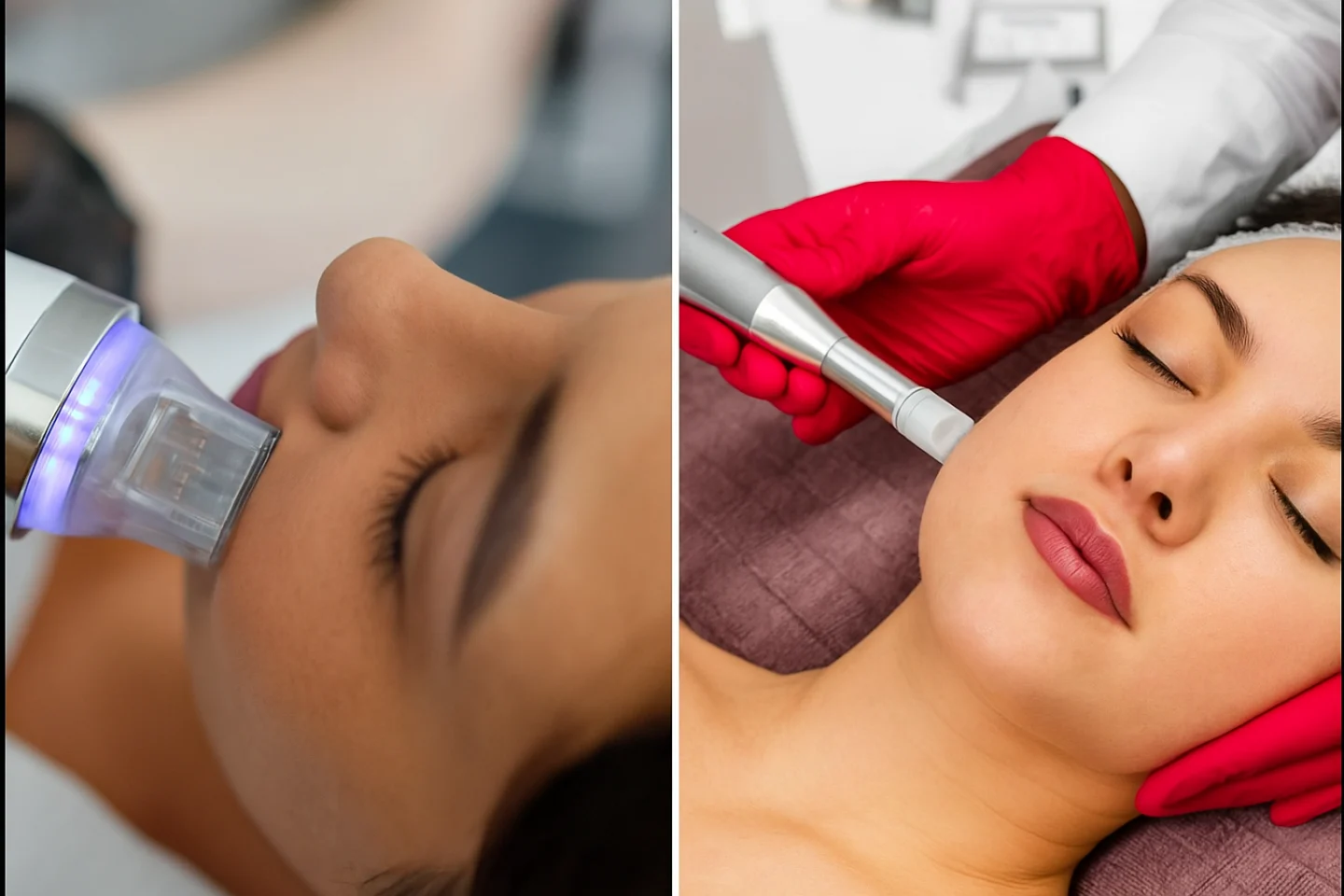
What Is a Medical Spa: Treatments, Costs & What to Expect

Author: Dr. Saima Rafiq
Updated on May 5, 2026
Summarize this blog post with:
A medical spa, or med spa, is a licensed medical facility that combines the relaxing environment of a traditional spa with physician-supervised aesthetic treatments. Unlike a day spa, a med spa is classified as a medical practice. It offers non-surgical procedures that go beyond the skin's surface, including injectables, laser treatments, skin tightening, body contouring, and medical-grade skincare, all performed or overseen by a licensed healthcare provider.
Essentially, a medical spa offers the rejuvenating atmosphere of a wellness retreat combined with the clinical expertise and efficacy of a specialized medical office, allowing patients to address specific skin concerns such as aging, acne scarring, or volume loss, in a comfortable, non-hospital setting. The key word here is “medical”. Every treatment at a true med spa affects living tissue below the outermost layer of skin. That's what separates it from a massage or a basic facial. It's also why these facilities operate under the supervision of a licensed medical director and utilize medical-grade technology and products that are not available at conventional salons.
According to Grand View Research, the global medical spa market is projected to reach $78.23 billion by 2033, driven by growing consumer demand for results-driven, non-invasive care. More people than ever are discovering that they don't need surgery to look and feel their best. They just need the right team and the right treatments.
At its core, a med spa exists in the space between a day spa and a doctor's office. You get the science and the safety of a clinical setting, without ever losing the warmth, comfort, and personalization that make the experience feel like self-care, not a medical appointment.
Medical Spa Vs. Day Spa Vs. Dermatologist
The most straightforward way to understand the difference is this: a day spa focuses on relaxation and surface-level treatments, a dermatologist diagnoses and treats medical skin conditions and a medical spa sits intentionally in the middle, offering clinical-grade aesthetic treatments in a setting that prioritizes both your results and your comfort.
Day Spa
A day spa is a wellness retreat. Its goal is relaxation, pampering, and short-term rejuvenation. Treatments like massages, basic facials, manicures, and body wraps are performed by licensed estheticians and massage therapists. None of these treatments require medical oversight because none of them go below the skin's surface. If you want to unwind and feel refreshed for the day, a day spa delivers exactly that.
Medical Spa
A medical spa is a licensed medical practice that happens to feel like a spa. It's supervised by a physician and staffed by medically trained providers. Treatments go deeper than anything a day spa can offer, targeting fine lines, skin laxity, pigmentation, body contouring, and more using FDA-cleared technology and medical-grade products. The results are clinical. The experience is still warm, personalized, and comfortable.
Dermatologist
A dermatologist is a medical doctor who specializes in the health of your skin, hair, and nails. They can diagnose conditions like eczema, rosacea, psoriasis, and skin cancer, prescribe medications, perform biopsies, and carry out medically necessary procedures. Some dermatologists also offer cosmetic treatments, but their primary role is medical, not aesthetic. If something on your skin looks wrong or needs a diagnosis, a dermatologist is where you go.
Here's how the three compare across the factors that matter most:
Day Spa | Medical Spa | Dermatologist | |
Primary focus | Relaxation and pampering | Non-surgical aesthetic results | Diagnosing and treating skin conditions |
Medical oversight | None | Required by law in most states | Always (licensed physician) |
Who performs treatments | Licensed estheticians, massage therapists | RNs, NPs, PAs, and physicians | Board-certified dermatologists and their clinical staff |
Treatments offered | Facials, massages, manicures, body wraps | Injectables, laser therapy, microneedling, body contouring, skin tightening | Medical skin conditions, cosmetic procedures, biopsies, prescriptions |
Treats below skin's surface | No | Yes | Yes |
Can diagnose skin conditions | No | No | Yes |
Can prescribe medication | No | Depends on supervising physician | Yes |
Environment | Relaxing, wellness-focused | Clinical results in a spa setting | Clinical |
Products used | Retail or spa-grade | Medical-grade | Prescription and medical-grade |
What Treatments and Services Does a Medical Spa Offer?
Medical spas offer two broad categories of services: aesthetic treatments that improve how you look, and wellness treatments that improve how you feel. The treatments are non-surgical and non-invasive that improve skin quality, facial structure, body composition, and internal health using clinically validated methods. Every service is clinically designed to target a specific concern, deliver measurable results, and support your long-term skin health and overall wellness.
Neurotoxin Injectables
Neurotoxins are the most requested treatment at most med spas, which reduce dynamic wrinkles by inhibiting acetylcholine release in targeted facial muscles. Brands like Dysport, Daxxify, Xeomin, Jeuveau, and Botox all work by temporarily relaxing the muscles responsible for dynamic wrinkles, including forehead lines, crow's feet, and the glabellar lines. Dysport diffuses faster, Daxxify often lasts longer, and Botox has the largest clinical dataset. Each product has a slightly different onset speed and duration, which is why a trained injector will recommend the right one for your goals and anatomy.
Results appear within 2–5 days and stabilize by day 10 while the effect lasts 3 to 5 months. Neurotoxins are also used preventatively in younger patients in their late twenties and thirties, before deeper lines have a chance to form. When placed correctly by a skilled injector, results look completely natural, refreshed rather than frozen, and effortless.
Fillers and Biostimulators
Fillers and biostimulators offer complementary ways to restore volume and improve skin quality. Dermal fillers are injectable gel-like substances used to restore lost volume, smooth deeper folds, enhance lips, and define facial contours. Most fillers are made from hyaluronic acid, a substance naturally found in the skin, and they work immediately with results lasting anywhere from six months to over a year depending on the product and placement. For patients seeking more natural, long-term regeneration, options like Derma PRP (Platelet-Rich Plasma) utilize the body’s own growth factors to revitalize the skin from within, improving both tone and texture.
Biostimulators like Sculptra and Radiesse take a different approach entirely by working at a cellular level. Instead of just providing an immediate fill, these injectable treatments stimulate your body’s natural production of type 1 collagen over several months. This process gradually reinforces the skin’s inner structure, resulting in a firm, lifted appearance that can last significantly longer than standard fillers.
Facial Rejuvenation
Facial rejuvenation treatments use advanced technology to resurface, tighten, and restore the skin at a level no topical product can reach. High-performance treatment like Morpheus8 combines radiofrequency energy with microneedling to remodel skin and tighten the underlying tissue, making it one of the most effective non-surgical skin tightening treatments available today. Forma offers a non-invasive "red carpet" lift using RF to stimulate collagen. For texture and pigment concerns, IPL / Lumecca therapy effectively targets sun damage and vascular lesions, ensuring a more even skin tone.
To further enhance the complexion, specialized mechanical treatments like SkinPen® Microneedling create controlled micro-channels to trigger the body’s natural healing response. When paired with exosomes, this process delivers potent growth factors for accelerated repair and cellular renewal. These advanced services are often complemented by medical-grade facials, which provide deep exfoliation and hydration.
Hair and Body
Hair loss and unwanted body hair are two of the most personal concerns people bring to a med spa, and both deserve a clinical solution rather than a cosmetic one. Medspa treatments like DE|RIVE Hair Restoration uses advanced technology to stimulate dormant follicles and encourage natural regrowth. It offers a non-surgical option for both men and women experiencing thinning or early-stage hair loss, with results building progressively over several months.
Laser hair removal offers permanent reduction of unwanted hair on virtually any area of the body, from legs and underarms to the face and bikini line. Unlike waxing or shaving, laser targets the follicle directly with light energy, disabling it at the root over a series of sessions. Medical-grade equipment allows for more precise targeting, which improves effectiveness and safety across different skin types and treatment areas.
Hormone Therapy
Hormone therapy in a medical spa focuses on restoring balance using bioidentical hormone therapy and hormone replacement therapy based on lab analysis. Hormonal decline is one of the most underdiagnosed contributors to fatigue, weight gain, mood instability, brain fog, and low libido. Bioidentical hormone therapy provides hormones that are structurally identical to those your body produces naturally, making it a preferred integrative approach for managing menopause, perimenopause, and age-related decline.
Every protocol begins with lab work and is adjusted over time under direct provider oversight. By combining clinical precision with a personalized wellness protocol, these therapies allow patients to reclaim their vitality and age with greater comfort and clarity.
Health and Wellness
Beyond aesthetics, many med spas now offer foundational health services that support long-term wellbeing. This holistic approach often begins with medical weight loss programs that combine FDA-approved medications and metabolic support with consistent provider oversight to ensure sustainable results. To refine these protocols, InBody scans provide a precise breakdown of body composition, including muscle, fat, and water distribution, giving your provider the data needed to build a smarter, more personalized treatment plan.
Many clinics now offer advanced cancer screening via simple blood tests capable of detecting over 50 types of cancer in their earliest stages. These diagnostic tools are complemented by the use of nutraceuticals and vitamin supplementation to address nutritional gaps and optimize cellular health. Finally, telehealth consultations ensure these services remain accessible, rounding out a comprehensive category built around proactive health management and total body vitality.
Vitamin Injections and IV Therapy
Vitamin Injections and IV Therapy provide a direct and highly efficient way to deliver essential nutrients, minerals, and antioxidants into the body. When nutrients are delivered by injection or intravenous drip rather than an oral supplement, they bypass the digestive system entirely and enter the bloodstream directly, making absorption immediate and far more effective.
Options at a full-service med spa include Tri-Immune Boost for immunity, Vitamin D3 for energy and bone health, L-Glutathione for cellular detox and skin brightening, Biotin for hair and nails, NAD for cellular repair, Lipo Plus to support fat metabolism, and Methylcobalamin B12 for sustained energy and nerve health. These treatments provide immediate nutrient replenishment, ensuring your body has the cellular fuel necessary to optimize your wellness from the inside out.
Who Performs Treatments in a Med Spa?
Treatments at a medical spa are performed by licensed medical professionals, not estheticians or beauty therapists. The specific credentials vary by treatment type and state law, but at every legitimate med spa, a licensed physician must own or medically direct the practice and take legal responsibility for all clinical care delivered under that roof.
Here is who you will typically find on a med spa team and what each role means for your care:
Medical Director (MD or DO)
The medical director is the licensed physician who oversees all clinical operations at a med spa. They are responsible for treatment protocols, patient safety standards, and the legal supervision of every provider on the team. In most states, a med spa cannot legally operate without a physician serving in this role, making the medical director the single most important credential to verify before booking any treatment.
Nurse Practitioners (NPs) & Physician Assistants (PAs)
Nurse practitioners and physician assistants hold graduate-level degrees and are trained to assess patients, develop treatment plans, and perform procedures with significant clinical autonomy. In aesthetics, NPs and PAs are among the most skilled injectors in the field, combining deep medical knowledge with a refined understanding of facial anatomy and safe treatment protocols.
Registered Nurses (RN)
Registered nurses at a med spa perform treatments under the supervision of the medical director or a nurse practitioner. They are commonly involved in administering IV therapy, vitamin injections, laser treatments, and certain skin care services. Their clinical training makes them well equipped to monitor patient responses, manage aftercare, and escalate concerns to the supervising provider when needed.
Licensed Estheticians
Licensed estheticians at a med spa focus on skin health treatments that do not require medical oversight, such as medical-grade facials, chemical peels, and skincare consultations. They work alongside the clinical team and are often the providers who handle pre-treatment skin prep and post-treatment skincare guidance. Their role is supportive and complementary to the medical treatments offered by the nursing and physician staff.
What Are the Benefits of Visiting a Medical Spa?
Visiting a med spa offers a unique blend of medical‑grade treatments and spa‑like relaxation, giving you real, measurable improvements in your appearance and well‑being. The primary benefit lies in the access to medical technology and supervised protocols that deliver visible, long-lasting results that over-the-counter products simply cannot replicate.
Here are the key benefits of choosing a medical spa for your skin, body, and overall wellness needs:
Non-Surgical With Minimal Downtime
Med spas specialize in non‑invasive or minimally invasive options, allowing you to achieve noticeable changes without surgery, general anesthesia, or long recovery periods. Treatments like Morpheus8, dermal fillers, and laser resurfacing deliver outcomes that are genuinely transformative, and most patients return to their normal routine the same day or within a few days at most. This makes medical spa treatments an attractive option for people who want to refresh their look without disrupting their schedule or undergoing major surgery.
Medical-Grade Products and Technology
Going to a med spa is access to medical‑grade products and technology that are stronger, more precisely formulated, and more effective than over‑the‑counter retail skincare. These professional‑strength serums, peels, and devices are designed to penetrate deeper layers of the skin, supporting collagen, improving texture, and correcting issues like pigmentation and acne more aggressively than standard spa products. In addition, med spas use FDA‑cleared or medically calibrated tools such as lasers, radiofrequency devices, and advanced injectables that help maximize results. These advanced tools and products maximize visible, long‑term improvements while prioritizing safety.
Personalized Treatment Plans
A reputable med spa builds a plan around your specific concerns, your skin type, your health history, and your goals. That means the combination of treatments you receive is chosen for you, not pulled from a generic menu. Before your procedure, a provider evaluates your skin, concerns, and goals to build a tailored plan that may combine several treatments over time for optimal outcomes. This personalized approach maximizes results, reduces unnecessary procedures, and helps you progress toward your aesthetic goals in a coordinated, medically sound way.
Holistic Wellness and Self‑care
Beyond appearance, many med spas integrate wellness services such as IV therapy, vitamin injections, weight‑management programs, and stress‑reduction therapies, supporting both physical and mental health. Regular visits can boost energy, improve sleep, and enhance confidence, creating a more holistic self‑care routine. The calming, spa‑like environment further encourages relaxation, turning each appointment into a restorative experience rather than just a cosmetic fix.
Visible, Longer‑Lasting Results
Medical spas deliver visible, longer-lasting results by utilizing medical-grade technology and pharmaceutical-strength products that target the skin's deeper layers.
Med‑grade lasers, peels, injectables, and body‑contouring devices can address issues like fine lines, acne scars, uneven pigmentation, and stubborn fat in ways that over‑the‑counter spa treatments cannot match. Because these modalities stimulate collagen and reshape tissue, many patients notice improvements that last months to years. The result is not just a temporary glow, but a more refined, youthful appearance that endures with proper maintenance.
H2: Is a Medical Spa Safe and Regulated by the Body?
Yes, a medical spa is safe when it operates as a legitimate medical practice under proper physician supervision, uses FDA-cleared treatments, and employs licensed providers working within their scope of practice. Devices such as lasers and injectables are also regulated by the FDA, and clinics must follow strict protocols for sanitation, infection control, and emergency preparedness to protect patients.
Regulation is not uniform across the U.S., however, so standards vary by state and sometimes by city. Some states, like Rhode Island, have specific laws that require medical spas to be licensed as health‑care facilities, while others rely on medical‑board rules and model legislation such as the Medical Spa Safety Act to define supervision and training requirements.
In Florida, medical spas are regulated as medical‑care clinics rather than ordinary beauty salons, which helps ensure a baseline level of safety and accountability. State law requires that all med spa–level procedures (such as neurotoxins, fillers, lasers, and radiofrequency devices) be performed or closely supervised by licensed physicians, nurse practitioners, or physician assistants working under a designated medical director with an active Florida license.
Florida med spas offering direct‑pay medical services must also register with the Agency for Health Care Administration (AHCA) as a Health Care Clinic, follow strict infection‑control and HIPAA rules, and ensure only licensed personnel operate FDA‑cleared medical devices. These regulations mean that, in Florida, a safe med spa should be able to show its AHCA registration, its supervising physician’s credentials, and written protocols for each procedure, giving patients clear external signals of compliance.
You can increase your safety by choosing med spas where treatments are performed or directly supervised by board‑certified physicians, and where the clinic openly shares its licensing, safety policies, and staff credentials.
What Are the Medical Spa Safety Standards and Certifications to Look for?
Medical spa safety standards include state medical board regulations, federal workplace safety rules, and FDA device compliance. You should verify provider licensing, medical oversight, and adherence to established clinical guidelines before receiving any treatment.
Here is what a safe, compliant med spa should be able to demonstrate across each area.
Physician Credentials and Medical Director Licensure: The medical director must hold an active, unrestricted MD or DO license and be actively involved in clinical oversight. In Florida, this is a legal requirement. You can verify a physician's status through the Florida Department of Health’s search tool; caution is advised if a practice cannot identify its director.
Provider Licenses and Scope of Practice: Every provider must hold a state license appropriate for the specific procedure they are performing. Manufacturer certifications do not grant legal authority to practice. Always confirm the specific license type, such as Nurse Practitioner or Physician Assistant rather than accepting general claims of being "trained" or "certified".
OSHA and Infection Control Compliance: Facilities must follow OSHA standards for handling biohazardous materials and medical waste. Treatment rooms should be visibly clean, utilizing single-use supplies or properly sterilized equipment. Federal law requires these protocols, and a reputable medical spa will provide written infection control policies upon request.
HIPAA Compliance: Because they handle protected health information, medical spas must be HIPAA-compliant. This includes performing full medical intakes, obtaining signed informed consent for every treatment, and maintaining secure records. Skipping intake forms or failing to explain data protection are significant indicators of poor legal compliance.
Voluntary Accreditation (AAAHC/The Joint Commission): While not mandatory, accreditation from the AAAHC or The Joint Commission shows a facility meets rigorous national standards for quality and patient rights. AAAHC accreditation evaluates governance, medication management, and infection prevention. This voluntary process demonstrates a commitment to care that exceeds minimum legal requirements.
FDA-Cleared Devices and Approved Products: All devices for lasers or body contouring must be FDA-cleared for their intended use. Injectables should be sourced only from licensed U.S. distributors to avoid counterfeit risks often associated with unusually low prices. A transparent clinic will readily disclose the specific brands and products they utilize.
Industry Membership (AmSpa): Membership in the American Med Spa Association (AmSpa) indicates a practice is invested in current regulatory changes and industry best practices. As the largest U.S. association for medical spas, AmSpa provides essential legal and state-specific guidance. While not a standalone guarantee of quality, it reflects a commitment to lawful operation.
How Much Do Med Spa Treatments Cost?
Med spa treatment costs vary based on procedure type, provider expertise, device technology, and geographic location. You typically pay per session for injectables and devices, while wellness programs often follow monthly pricing models.
Med Spa Treatment Cost Overview
Treatment / Service Category | Typical Price Range | Notes |
Neurotoxins | $200 – $900 per area | Area‑based; often billed by facial region (forehead, glabella, crow’s feet, etc.). |
Dermal fillers | $450 – $1,000+ per syringe (per area) | One syringe is usually one treatment zone; multiple areas raise total cost. |
Laser hair removal | $150 – $500 per session per area | Most patients need 3–6 sessions per area to see long‑term reduction. |
HydraFacial / medical facials | $150 – $470 per session | Standard one‑time visit; some add‑ons cost extra. |
Microneedling | $200 – $700 per session | Often face‑wide; PRP or exosomes increase price. |
Morpheus8 / RF microneedling | $1,000 – $2,500+ per session per area | Larger or multiple areas (e.g., full face, neck, body) push toward the higher end. |
Laser skin resurfacing / IPL | $500 – $1,500+ per session | Some clinics charge by surface area; deeper treatments cost more. |
Body contouring (e.g., CoolSculpting‑style) | $750 – $4,000 per area per session | One area per treatment; many clinics offer discounted multi‑area packages. |
IV therapy / wellness infusions | $150 – $500 per session | One infusion equals one session; premium formulas may cost more. |
Factors That Affect Med Spa Treatment Costs
Several elements drive whether a treatment is on the lower or higher end of these ranges:
Geography and clinic tier: Med spas in major cities or luxury‑estate neighborhoods typically charge more than suburban or small‑town clinics.
Provider experience and credentials: Board‑certified physicians or highly experienced injectors often bill more than general‑practice injectors, because outcomes are tightly linked to skill.
Technology and brand: Newer, FDA‑cleared devices and premium product brands (e.g., name‑brand Botox or fillers) cost the clinic more, and those costs are usually passed on to the patient.
Area treated and complexity: Larger or more sensitive areas (e.g., full face, abdomen, or thighs) require more time, product, and energy, which raises the price.
Packages and add‑ons: Clinics often discount per‑session costs when you buy multi‑treatment packages or bundle services (e.g., laser + PRP); conversely, add‑ons like exosomes or stronger formulas increase the total.
What Happens During Your First Medical Spa Visit?
Your first medical spa visit typically starts with a warm, professional welcome and comprehensive consultation with a licensed medical provider who reviews your medical history, evaluates your concerns, discusses treatment options, and creates a personalized plan. The provider evaluates your goals, medical history, and suitability before performing any procedure.
Step 1: Intake Forms and Medical History
Before you meet with a provider, you will complete a health intake form covering your medical history, current medications, allergies, previous cosmetic treatments, and any relevant health conditions. This is not paperwork for the sake of it. The information directly informs which treatments are safe for you, which products are appropriate for your skin type, and whether any contraindications need to be considered before moving forward. A med spa that skips this step is skipping a foundational patient safety requirement.
Step2: In-depth Consultation
The core of your first visit is a one‑on‑one discussion with a licensed provider (physician, NP, PA, or expert injector) who reviews your forms and listens to your goals. After you book a consultation, the provider will explain your concerns such as fine lines, acne scars, or body‑contouring questions and examine your skin, and discuss which treatments are most appropriate, realistic results, and any potential risks or side effects. You can ask about downtime, how many sessions you may need, and how a specific treatment aligns with your budget and schedule.
Step 3: Skin and Treatment Assessment
Your provider will assess your skin, facial anatomy, or the specific area of concern depending on what you have come in for. For aesthetic treatments, this typically involves evaluating skin quality, volume loss, muscle movement, pigmentation, and overall facial structure. For wellness treatments like hormone therapy or medical weight loss, this may involve reviewing lab work or scheduling diagnostic testing such as an InBody scan. The assessment is what makes a personalized plan possible.
Step 4: Personalized Treatment Plan
Based on everything gathered in the consultation and assessment, your provider will walk you through a recommended treatment plan. This is where they explain which treatments they suggest, why they are recommending them in that specific combination or sequence, what results you can realistically expect, how many sessions are typically needed, and what the approximate cost will be. A trustworthy provider will present a clear plan and give you the space to decide what makes sense for you right now versus what you want to work toward over time.
Step 5: Informed Consent
If you decide to proceed with any treatment on the same day, your provider will walk you through an informed consent process before anything begins. This covers how the treatment works, what to expect during and after, potential side effects and risks, aftercare instructions, and what to do if you have concerns following your appointment. Signing an informed consent form is a legal and ethical requirement at every legitimate medical spa.
Step 6: Treatment Session
Once consent is obtained, you proceed to the treatment area, where the provider and staff guide you through comfort measures such as topical numbing, cooling, or positioning, depending on the procedure. You may receive a gentle, low‑downtime service during this first visit (such as a medical facial, a small‑area injectable, or a light peel), or the session may be reserved for a “discovery” visit and your first full treatment scheduled separately. Most procedures take 15–60 minutes depending on complexity. After the procedure, they may apply soothing products, sunscreen, or bandages as appropriate, and briefly check your reaction before you are discharged.
Step 7: Post-Treatment Instructions and Follow-Up
After your treatment, the provider or nurse will review personalized aftercare instructions, including skincare products to use or avoid, sun protection, activity restrictions, and signs that warrant a call or return visit. They may also schedule a follow‑up appointment or touch‑point (in‑person, virtual, or by phone) to monitor your progress and adjust the plan as needed. This wrap‑up phase ensures your results are optimized and reinforces the clinic’s commitment to safety, continuity, and long‑term results.
How to Choose the Right Medical Spa Near You
Finding the right medspa is a significant decision that involves balancing your aesthetic goals with clinical safety. You need to carefully verify provider credentials, confirm medical oversight, inspect facility safety standards, and evaluate treatment quality; not just comparing prices or proximity. Here is what to look for before you book your treatment at a med spa.
Verify Credentials and Medical Oversight
First, verify credentials by confirming that a licensed physician supervises all medical treatments and that providers hold valid RN, NP, PA, or MD licenses. The medical director should actively oversee protocols so ask directly who the medical director is, whether they are present at the location, and how involved they are in treatment decisions and patient care. You should personally enquire about the team to confirm each provider’s licensing status, experience level, and role in your care. Clinics that clearly present provider qualifications, supervision structure, and scope of practice reduce legal and clinical risks while ensuring treatments follow regulated medical standards.
Check Services, Technology, and Safety Standards
A quality med spa invests in FDA-cleared devices, authentic products sourced from licensed U.S. distributors, and providers trained specifically on the equipment they use. Ensure the clinic follows strict OSHA standards for infection control, maintains visibly clean treatment rooms, and uses properly sterilized or single-use supplies. Furthermore, a safe facility must be HIPAA-compliant, which includes performing a full medical intake and obtaining signed informed consent before every procedure. The facility itself should look and feel like a medical environment, visibly clean, properly equipped, and operating with the same infection control standards you would expect in any clinical setting.
Look at Before and After Photos
Examining a medical spa's before and after portfolio provides direct evidence of provider skill, aesthetic judgment, and consistency in delivering natural-looking results across diverse patient types. Look for before and after photos of patients with similar skin tones, concerns, and treatment areas to your own rather than only reviewing the most dramatic transformations. Authentic photos should demonstrate natural-looking results and a consistent level of quality across various treatments and be cautious of stock photos or images that appear heavily edited. This visual evidence provides a realistic expectation of the results you can achieve at that specific location.
Read Reviews and Verify Reputation
Patient reviews on platforms like Google provide valuable insight into the patient experience, staff professionalism, and the quality of follow-up care. While reading reviews, look for detailed feedback regarding safety, the thoroughness of the consultation, and how the clinic handles any post-treatment concerns. Pay attention to patterns: frequent mentions of rushed consultations, pressure to buy packages, or unexplained side effects should raise concern. Read how the clinic responds to negative reviews to assess their professionalism and accountability. A strong reputation often correlates with better clinical practices and long-term patient trust.
Look for Membership Programs and Transparent Pricing
You should look for membership programs and transparent pricing because they make treatment planning predictable and cost-efficient over time. A well-structured med spa clearly lists prices per service, package options, and maintenance costs without hidden fees or pressure tactics. Membership programs often bundle treatments like neurotoxins, facials, or wellness services at reduced rates, which supports consistency in care. Transparent pricing also reflects ethical business practices and clinical confidence, since the provider openly explains what you pay for, how many sessions you need, and what results you can realistically expect.
Assess the Consultation Process
Finally before booking, assess the consultation by observing how thoroughly the provider evaluates your goals, medical history, and treatment options. A good provider listens carefully to your goals, reviews your medical history, examines your skin or body, and explains a personalized plan, including risks, likely outcomes, and expected sessions. They avoid overselling, encourage you to ask questions, and invite you to return later or schedule a test area instead of pushing for full‑scale treatment right away. If a clinic skips the medical intake or rushes you into a treatment without a thorough assessment, it is a significant warning sign.
Luxury Med Spa in Orlando: Nur Med Spa and Wellness
A medical spa combines clinical treatments, advanced technology, and personalized care to improve skin health, appearance, and overall wellness. You achieve results through regulated procedures such as injectables, laser treatments, and hormone therapy performed under medical supervision, which ensures safety and measurable outcomes.
In a growing market where new practices open every month, the gap between a med spa that looks polished on the surface and one that delivers genuine clinical results under real physician oversight is wider than most patients realize. That gap is exactly what NUR Med Spa and Wellness in Orlando's Lake Nona and Altamonte Springs community was built to close.
Founded and led by Dr. Saima Rafiq, DO, an internal medicine specialist with over a decade of clinical experience, NUR is a physician-founded, physician-led practice where medical oversight is genuine and present, not nominal. The clinical team includes board-certified nurse practitioners with specialized training in advanced injectables, regenerative medicine, skin rejuvenation, and integrative wellness. Every provider holds an active Florida state license and works under the direct supervision of a medical director who is personally involved in patient care every day.
NUR Med Spa delivers a full-service treatment model that integrates aesthetic procedures with internal wellness care, allowing you to address both visible concerns and underlying factors that affect long-term results. The clinic blends advanced aesthetic treatments such as Dysport, dermal fillers, Morpheus8, microneedling with exosomes are supported by foundational wellness services like hormone therapy, vitamin injections, IV therapy, and medical weight loss. By combining clinical precision with metabolic support, we provide a secure, regulated environment where your aesthetic journey is built upon a cornerstone of total body vitality and sustainable wellbeing.
If you are ready to experience what a physician-led med spa in Orlando should feel like, book a consultation today. Your best skin starts here.
FAQs
What is the difference between a spa and a medspa?
A traditional spa focuses on relaxation and surface-level treatments like massages, facials, and body wraps performed by estheticians and massage therapists. A medical spa, or medspa, is a licensed medical practice supervised by a physician that offers clinically proven, non-surgical treatments such as injectables, laser therapy, radiofrequency skin tightening, and body contouring. The key difference is depth. Med spa treatments affect living tissue below the skin's surface and require medical oversight, while traditional spa treatments do not.
What do they do at med spas?
Med spas offer a wide range of physician-supervised aesthetic and wellness treatments. On the aesthetic side, this includes neurotoxin injectables like Dysport and Daxxify, dermal fillers, biostimulators, RF microneedling, IPL laser treatments, and hair restoration. On the wellness side, services often include medical weight loss, hormone therapy, IV therapy, vitamin injections, InBody body composition scanning, and nutritional supplementation. Every treatment is performed or directly supervised by a licensed medical professional and tailored to your specific goals and health profile.
Why do people go to medspas?
People go to med spas because they want real, lasting results without surgery or significant downtime. The most common reasons include addressing fine lines and wrinkles, restoring facial volume, improving skin texture and tone, reducing unwanted hair, managing weight, balancing hormones, and boosting overall energy and wellness. Med spas offer a level of clinical efficacy that traditional spas and over-the-counter skincare simply cannot match, delivered in an environment that feels comfortable and personalized rather than clinical and transactional.
What should you not do before a medspa?
Before a med spa appointment, avoid alcohol for at least 24 hours as it increases the risk of bruising, particularly with injectables. Avoid blood-thinning medications and supplements such as aspirin, ibuprofen, fish oil, and vitamin E for several days before injectable treatments unless otherwise directed by your doctor. Do not use retinoids or exfoliating acids for 48 hours before laser or microneedling treatments. Arrive with clean skin if you are being seen for facial treatments, and always disclose your full medication list and medical history during your intake forms so your provider can plan your treatment safely.
Who is a good candidate for a medical spa?
Most healthy adults who want to address fine lines, acne scars, skin laxity, pigmentation, unwanted hair, mild body‑fat pockets, or general wellness concerns can be good med‑spa candidates. The clinic will screen for medical conditions, medications, allergies, and skin‑type compatibility during the consultation. People seeking subtle, non‑surgical improvements rather than overnight transformation, and who are realistic about combined lifestyle and treatment plans, tend to benefit most.
Is a med spa worth it?
A med spa can be worth it if you are looking for longer‑lasting, measurable results than basic facials or salon treatments can provide, and you are comfortable with medical procedures. The value becomes especially clear when treatments are approached as part of a consistent, long-term plan rather than a single appointment. When performed by qualified providers in a properly supervised setting, the investment in both results and confidence is one most patients find well worth it.
What's the downtime after a med spa procedure?
Downtime varies significantly depending on the treatment. Neurotoxins and light facials often have little to no downtime, while deeper peels, Morpheus8, or laser resurfacing may require a few days of redness, swelling, or mild peeling. Body‑contouring and radiofrequency treatments are usually low‑downtime, but you may be advised to avoid intense exercise for 24–48 hours. Your provider will give you specific aftercare and a realistic timeline for your chosen procedure.
Are med spa results permanent?
Most med spa results are long-lasting but not permanent, as they work with your body's natural aging process rather than stopping it entirely. Neurotoxins last months, fillers may last 6–18 months, and collagen‑stimulating treatments reveal results over several months and last 1–2 years with upkeep. Body‑contouring and laser hair removal can produce very long‑term reduction, but maintenance sessions and lifestyle habits sustain the look long‑term.
What to wear to a med spa?
Wear comfortable, loose-fitting clothing that is easy to remove or adjust depending on the treatment area. If you are having facial treatments, avoid wearing turtlenecks or anything that pulls tightly over your face and neck. For body treatments, wear clothing that provides easy access to the area being treated. Avoid wearing heavy makeup to facial appointments as the skin will need to be cleansed before treatment. Leave jewelry at home or be prepared to remove it.
Who is legally allowed to perform procedures in a medical spa?
Legally, licensed medical professionals such as physicians (MD/DO), nurse practitioners (NP), physician assistants (PA), and registered nurses (RN) may perform or directly supervise medical‑level treatments depending on state law. Estheticians can handle non‑invasive, non‑injection services under medical direction. In most states, a physician must medically direct the practice and own or oversee protocols, while only licensed staff operate devices like lasers and injectables within their recognized scope
Do doctors work at medspas?
es, many med spas are physician‑owned or physician‑directed, with doctors (MDs/DOs), NPs, PAs, and RNs on staff or as medical directors. Dermatologists, plastic surgeons, and internal‑medicine physicians sometimes run or consult at med spas.
Disclaimer: This blog is for general informational purposes only and is not medical advice. Always consult a licensed healthcare professional before starting any treatment or procedure. Do not rely solely on this content for medical decisions. We are not responsible for any actions taken based on the information provided.

Written By
Dr. Saima Rafiq, D.O.
Top Aesthetic Injector, Osteopathic Physician

Dr. Saima Rafiq, D.O., Co-Founder and Medical Director of NUR Med Spa, brings over a decade of medical expertise to the world of aesthetics and wellness. Board-certified in internal medicine and a graduate of Nova Southeastern University.
14+
Years in aesthetic
200+
Clinic clients served
Get in Touch
We're here to help you look and feel your best. Send us a message and our team will respond promptly.
Learn More Before Your Treatment
Explore our expert resources to learn what to expect, how to prepare, and how to support your results with proper aftercare.

Why Am I Always Tired? 6 Common Reasons for Low Energy
If you've been wondering, “why do I have no energy?”, you're not imagining how frustrating it can be. You may get through your morning with coffee, feel sleepy again by afternoon, and still wonder “why am I always tired?” even though you think you're doing everything right.
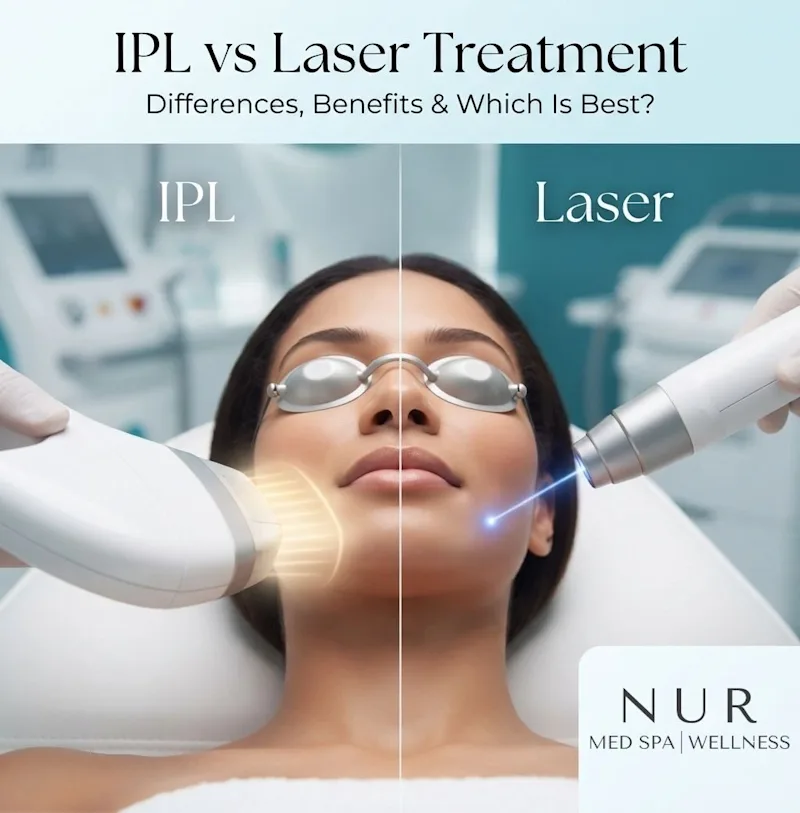
IPL vs. Laser Treatment: Which Is Right for Your Skin?
IPL and laser treatment both use light energy to treat skin concerns, but they work differently and produce different results. IPL (Intense Pulsed Light) emits multiple wavelengths of light, while laser devices emit a single, concentrated wavelength. This difference affects treatment precision, skin compatibility, recovery time, and the conditions each technology treats most effectively.
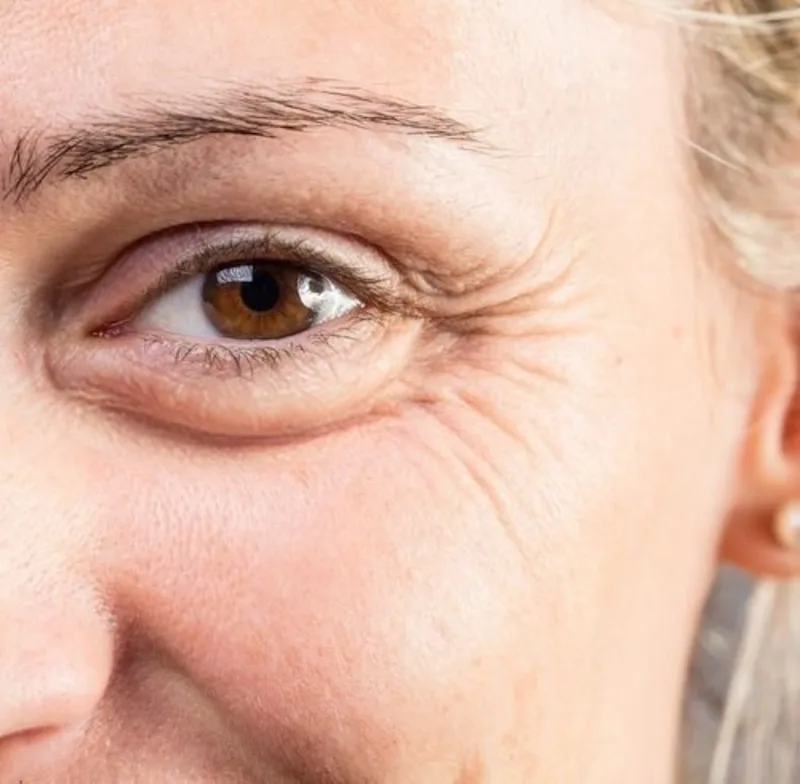
What Are Crow's Feet? Causes, Prevention & Treatment Options
TL;DR: Crow's feet are the fine lines that fan out from the outer corners of your eyes. They come from repeated facial expression (dynamic lines) and from age-related collagen and elastin loss (static lines). Daily sunscreen and retinol can slow their progression, but neuromodulator injections, dermal fillers, laser resurfacing, and chemical peels treat existing lines directly. Most patients get the fastest results from injections, and a combination plan works best for lasting improvement.
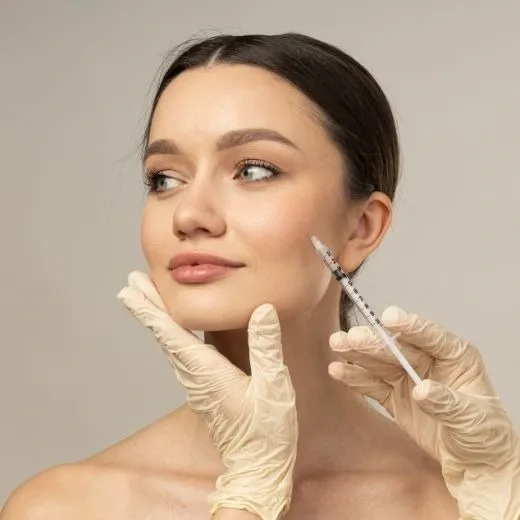
How Long Does Botox Last? What to Expect
Botox typically lasts 3 to 4 months for most patients, although the exact timeline varies based on the treatment area, dosage, muscle activity, and individual metabolism. Some areas, such as the masseter muscles, may maintain results for up to 6 months, while treatments like a lip flip usually wear off sooner. First-time patients usually see shorter results than repeat patients do.
Lip Filler Swelling Stages: What Your Lips Really Look Like While Healing
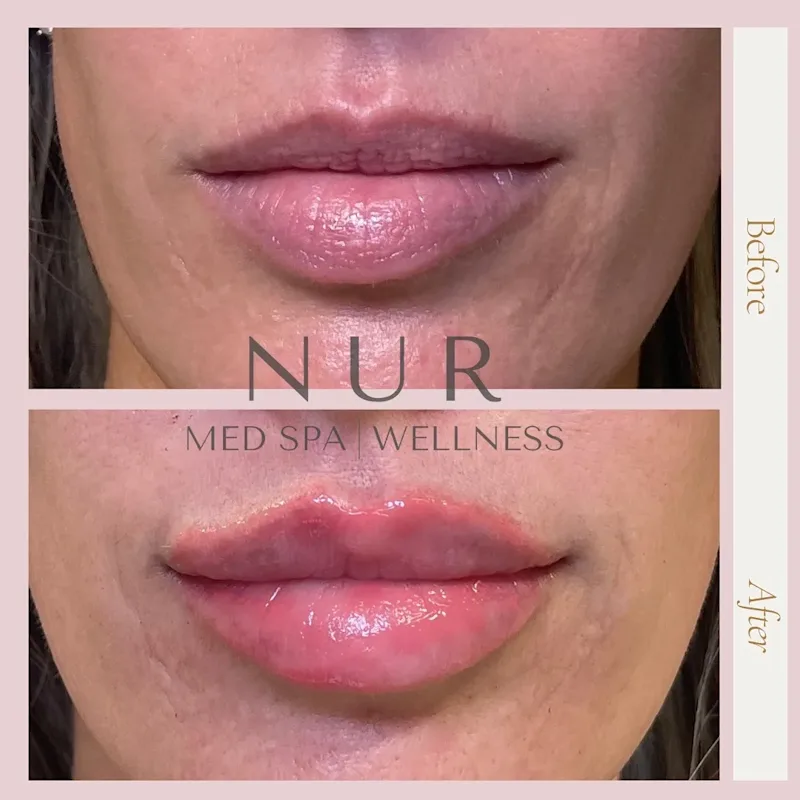
If your lips look overly swollen right after filler, don’t worry. That’s usually part of the process. The truth is, the lip filler swelling stages can be an emotional rollercoaster, especially during the first few days when swelling, tightness, and unevenness are at their peak. Many people think something went wrong before their lips even have time to heal properly.
What Is a Medical Spa: Treatments, Costs & What to Expect
A medical spa, or med spa, is a licensed medical facility that combines the relaxing environment of a traditional spa with physician-supervised aesthetic treatments. Unlike a day spa, a med spa is classified as a medical practice. It offers non-surgical procedures that go beyond the skin's surface, including injectables, laser treatments, skin tightening, body contouring, and medical-grade skincare, all performed or overseen by a licensed healthcare provider.
Facial Balancing with Dermal Fillers: Why It’s the Secret to Natural Results
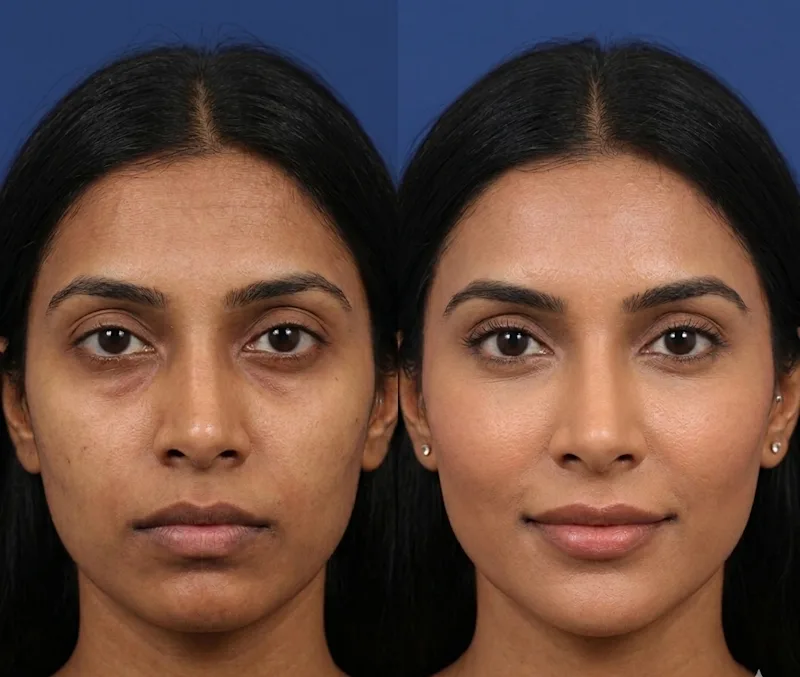
You can enhance your lips, define your jawline, or add volume to your cheeks and still feel like something isn’t quite right. That’s exactly why facial balancing with dermal fillers has become the secret behind the most natural-looking results. It’s not more filler, it’s smarter placement.
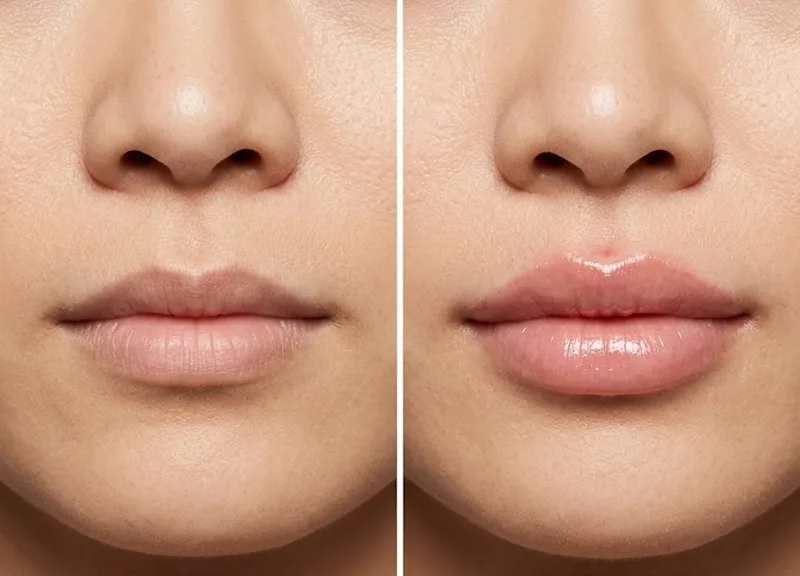
Lip Flip vs Filler: Which One Is Actually Right for You?
If you’ve been researching lip flip vs filler, you’ve probably noticed how confusing it gets. Both promise better-looking lips, but they work in completely different ways.
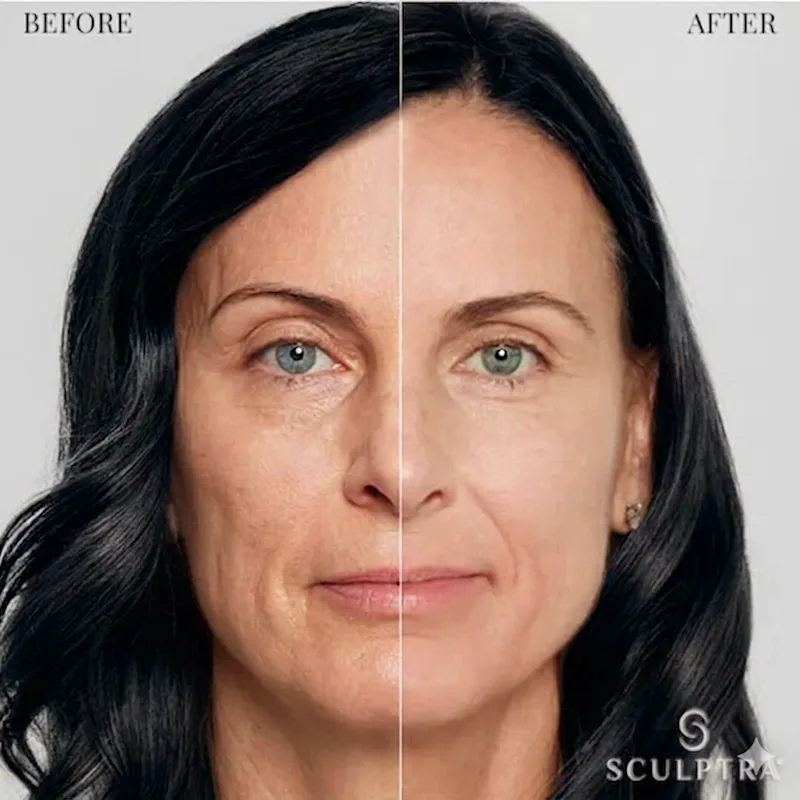
How Long Does Sculptra Last?
You don’t choose Sculptra for instant change. You choose it for results that build, improve, and stay. So the real question isn’t just how long does Sculptra last; it’s when it starts working, when it peaks, and how long you actually enjoy it.

CONFIDENCE AWAITS
Not Sure Which MedSpa Service You Need?
Explore personalized aesthetic solutions created to
address your skin goals and help you feel
confident in your natural beauty.Explore personalized aesthetic solutions created to address your skin goals and help you feel confident in your natural beauty.