
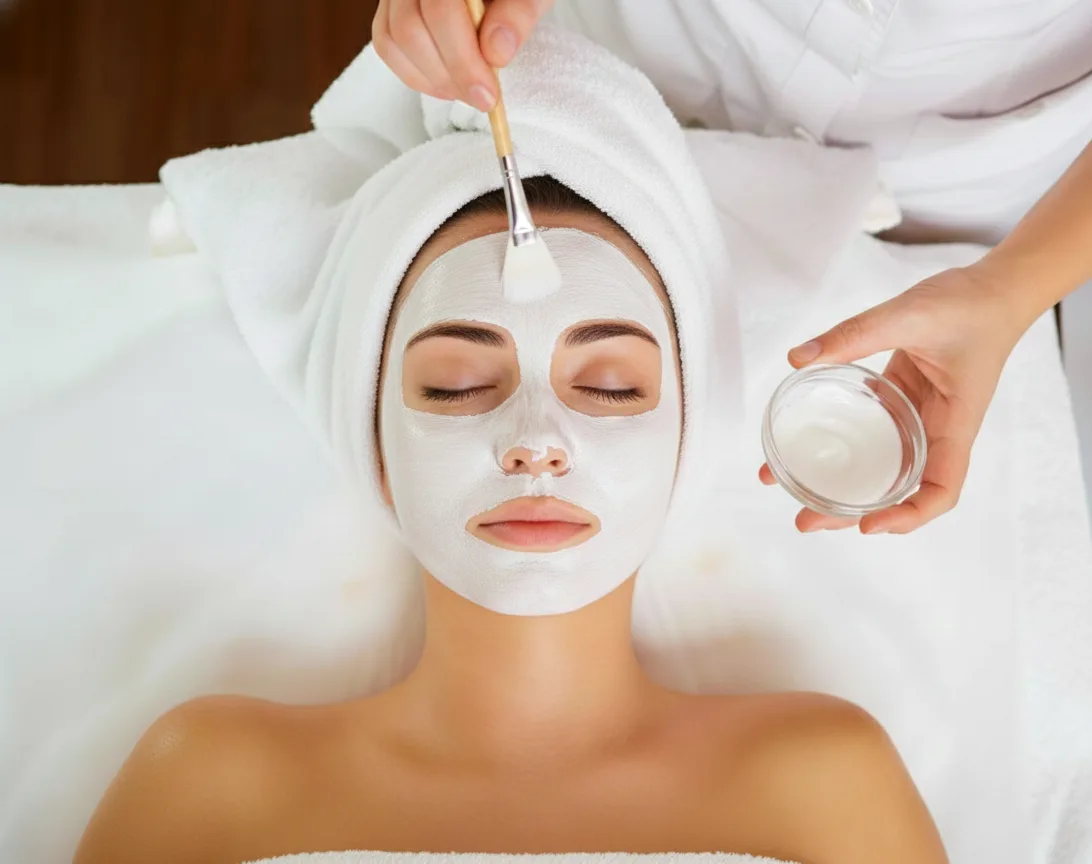
How Often Should You Get a Facial for Radiant Skin Results?

Author: Dr. Saima Rafiq
Updated on December 14, 2025
Summarize this blog post with:
How often should you get a facial? For most people, a professional facial every 4–6 weeks is a reasonable starting point, but the ideal schedule depends on your skin type, concerns, and the type of facial you receive. Some people may benefit from treatments every 6–8 weeks, while those managing acne, congestion, or specific skin concerns may need a more consistent schedule.
Getting facials too frequently can also irritate the skin, especially when treatments involve exfoliation or other active techniques. The goal is not to get a facial as often as possible, but to choose a schedule that supports your skin without overwhelming it.
What Is a Facial?
A facial is a professional skin treatment that uses a combination of skincare products, hands-on techniques, and sometimes advanced devices to improve overall skin health. Depending on the treatment, a facial may focus on product application, massage, technology, or a blend of all three.
Some facials are designed to deeply cleanse and hydrate the skin, while others target specific concerns like acne, dullness, uneven texture, or early signs of aging. The best facials are customized, adjusting to your skin type, lifestyle, and goals.
The Benefits of Facials
The appeal of facials goes far beyond relaxation. When done properly, they can help keep skin clear, hydrated, and balanced. Many people notice reduced puffiness, calmer redness, and a brighter complexion after treatment. Facials also support circulation and lymphatic drainage, which can give the skin a healthier, more refreshed look.
Over time, regular facials can improve how skincare products absorb and help maintain smoother, more even-looking skin. When performed by a trained professional, the risk of negative side effects is low. Most issues arise only when the wrong products or techniques are used on the wrong skin type.
Facial Prep: What to Do Before Your Appointment?
Before coming in for a facial, a consultation is important. This allows your provider to understand your skin, current products, and any sensitivities.
In general, it’s best to pause active ingredients like retinol and chemical exfoliants, including alpha hydroxy acids (AHAs) and beta hydroxy acids (BHAs), about five days before treatment. Avoid excessive sun exposure in the week or two leading up to your appointment, and skip shaving, laser or waxing, or threading facial hair for at least 24 hours beforehand.
Arriving with a clean face is helpful, but not essential. Your skin will be thoroughly cleansed as part of the treatment.
How Often Should You Get a Facial?
For most people, getting a facial every 4–6 weeks is a reasonable starting point. However, the ideal schedule depends on your skin type, concerns, and the type of facial you receive.
General maintenance: Every 4–6 weeks
Sensitive or low-maintenance skin: Every 6–8 weeks
Acne or congestion: A more consistent schedule, often around every 4 weeks, may be recommended
Before a wedding or event: Start several weeks or months ahead rather than scheduling your first facial right before the event
How Often Should You Get Facials at Different Ages?
Your skin doesn’t stay the same year after year, so your facial routine shouldn’t either. As you move through different stages of life, your skin’s needs shift, from prevention and maintenance to repair, hydration, and barrier support.
Here’s how often facials typically make sense at each age and why.
How Often Should You Get a Facial in Your 20s?
In your 20s, facials are mostly about prevention rather than correction. Skin turnover is still strong, and collagen production is naturally high, so the focus is on keeping pores clear, maintaining balance, and addressing early breakouts before they become chronic.
If your skin is generally normal and low-maintenance, a facial every 6–8 weeks is usually enough to keep things on track. For those with oily or acne-prone skin, about every 4–6 weeks can help control congestion and support clearer skin long term.
How Often Should You Get a Facial in Your 30s?
By your 30s, you may start noticing subtle changes like dullness, uneven tone, or fine lines that weren’t there before. Stress, hormones, and slower cell turnover begin to show up on the skin, which is why consistency becomes more important.
At this stage, getting a facial every 4–6 weeks works well for most people. Regular treatments help maintain hydration, improve texture, and address early signs of aging before they become more noticeable.
Learn more about maintaining a youthful glow in your 30s in our article on the experts’ guide to anti-aging treatments for the 30s, 40s, 50s & beyond.
How Often Should You Get a Facial in Your 40s?
In your 40s, the skin’s natural renewal process slows down more significantly. Collagen levels decline, and concerns like pigmentation, laxity, and rough texture tend to be more common.
Because of this, many people benefit from facials every 4 weeks. Monthly treatments help support cell turnover, improve firmness, and keep the skin looking smoother and more even over time.
How Often Should You Get a Facial in Your 50s?
As estrogen levels decrease in your 50s, skin often becomes drier, thinner, and more prone to sensitivity. Hydration and collagen-supporting treatments become especially important during this decade.
A facial every 4 weeks is usually recommended to maintain moisture levels, strengthen the skin barrier, and support overall skin comfort and resilience.
How Often Should You Get a Facial in Your 60s?
In your 60s, the goal shifts toward gentle maintenance rather than aggressive correction. Mature skin benefits most from treatments that nourish, soothe, and support the skin barrier without causing irritation.
For many people, facials every 4–6 weeks work best, depending on skin sensitivity and comfort level. The focus is on improving texture, hydration, and overall skin health. You can pair facials with treatments like Morpheus8 RF Microneedling to address firmness and texture.
How Often Should You Get a Facial in Your 70s?
By your 70s, skin is more delicate and slower to recover. At this stage, less is more—facials should be calming, deeply hydrating, and tailored to sensitive skin.
A facial every 6 weeks is often sufficient to maintain hydration, comfort, and healthy-looking skin without overstressing it.
How Often Should You Get Facials If You Have Acne?
If you have acne-prone skin, facials can help, but timing is important. Getting acne-focused facials about every 4 weeks is usually best. These treatments help reduce congestion and calm inflammation, but doing extractions or exfoliation too often can make breakouts worse. Facials work best when combined with a regular skincare routine.
How to Determine What Type of Facial to Get?
Not sure which facial is right for you? Don’t worry, you’re not alone. The right facial really depends on your skin type and what you want to achieve. Here’s a quick guide to help you decide:
Classic Facial: If your skin just needs a little TLC, a classic facial is perfect. It cleans, exfoliates, and nourishes without being harsh.
Chemical Peel: Want brighter, smoother skin? A chemical peel can help with uneven tone, dullness, or early signs of aging. It’s strong but controlled, so it gives noticeable results safely.
Microneedling: If you want to tackle deeper lines, scars, or texture issues, microneedling stimulates collagen to firm and plump your skin over time.
Microdermabrasion: If you’re dealing with rough texture, acne scars, or dark spots, microdermabrasion gently buffs away dead skin to reveal a fresher, smoother complexion.
Microcurrent Facial: Looking for a natural lift? Microcurrent facials tone and firm your facial muscles, reduce fine lines, and help your skin look more youthful.
HydraFacial: Need a quick glow? HydraFacial exfoliates, hydrates, and boosts nutrients into your skin, giving instant brightness and smoothness with no downtime.
LED Light Therapy: For acne, dullness, or early signs of aging, LED light therapy can calm, heal, and rejuvenate your skin safely and gently.
What to Do After a Facial?
After a facial, be gentle with your skin. Keep it hydrated and follow any routine your esthetician recommends to get the best results. Try not to touch your face, sweat too much, or expose your skin to heat from hot showers or the sun. It’s also best to skip makeup for about 24 hours so your skin can fully absorb the products from your facial.
You usually don’t need to wash your face that night. Just moisturize well and use sunscreen if you’re going outside. Avoid strong skincare products unless your esthetician says it’s okay.
Simple steps like these help your skin stay healthy and make your facial results last longer.
The Final Takeaway
Healthy, glowing skin doesn’t happen by chance; it happens with the right care at the right time. Whether you’re preventing breakouts in your 20s, boosting hydration in your 50s, or maintaining radiance in your 70s, scheduling facials that match your skin’s needs makes all the difference.
Give your skin the care it truly deserves. At NUR Med Spa in Orlando, Lake Nona, and Altamonte Springs, our skilled estheticians design facials personalized for your unique skin needs. Schedule your appointment today and enjoy a healthy, radiant glow that lasts!
FAQs about Facial Treatment
How Often Should You Get a Facial Before a Wedding?
For special events like weddings:
Start monthly facials about six months in advance if you’re addressing acne, pigmentation, or texture
If your skin is already healthy, starting two to three months before is usually enough
Avoid trying new or aggressive treatments within four weeks of the event
How do I know which facial is right for me?
It depends on your goals. Hydration, anti-aging, acne control, or brightening facials are all options. A consultation with an esthetician helps choose the best one.
Do facials hurt?
Most facials are relaxing and gentle. Some treatments, like microdermabrasion or chemical peels, may feel slightly tingling or prickly.
Can I get a facial if I have sensitive skin?
Yes! Estheticians can customize gentle treatments to avoid irritation while still nourishing your skin.
Disclaimer: This blog is for general informational purposes only and is not medical advice. Always consult a licensed healthcare professional before starting any treatment or procedure. Do not rely solely on this content for medical decisions. We are not responsible for any actions taken based on the information provided.

Written By
Dr. Saima Rafiq, D.O.
Top Aesthetic Injector, Osteopathic Physician

Dr. Saima Rafiq, D.O., Co-Founder and Medical Director of NUR Med Spa, brings over a decade of medical expertise to the world of aesthetics and wellness. Board-certified in internal medicine and a graduate of Nova Southeastern University.
14+
Years in aesthetic
200+
Clinic clients served
Get in Touch
We're here to help you look and feel your best. Send us a message and our team will respond promptly.
Learn More Before Your Treatment
Explore our expert resources to learn what to expect, how to prepare, and how to support your results with proper aftercare.
BHRT vs HRT: What’s the Difference, and Which Is Better?
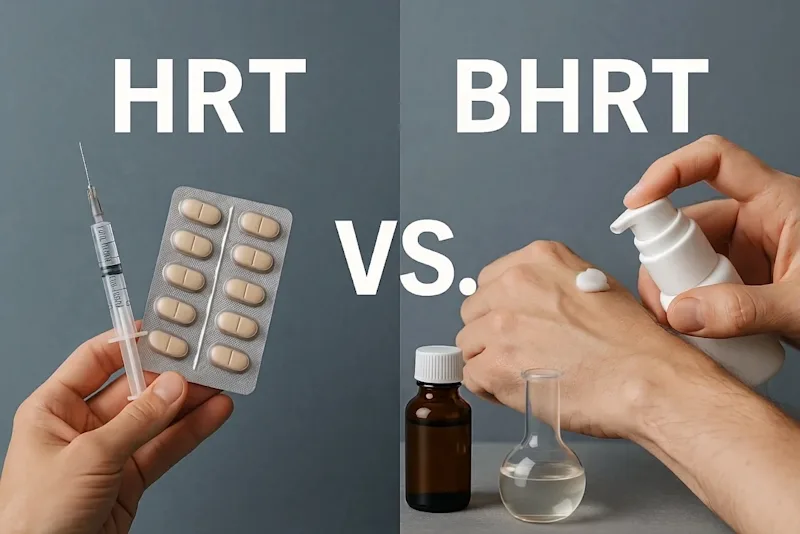
Hot flashes, poor sleep, mood changes, and low energy can make everyday life difficult. If you’re experiencing these symptoms, you may be wondering whether hormone therapy could help. But when researching BHRT vs HRT, how do you know the difference, and which option is right for you?

Why Am I Always Tired? 6 Common Reasons for Low Energy
If you've been wondering, “why do I have no energy?”, you're not imagining how frustrating it can be. You may get through your morning with coffee, feel sleepy again by afternoon, and still wonder “why am I always tired?” even though you think you're doing everything right.
IPL vs. Laser Treatment: Which Is Right for Your Skin?
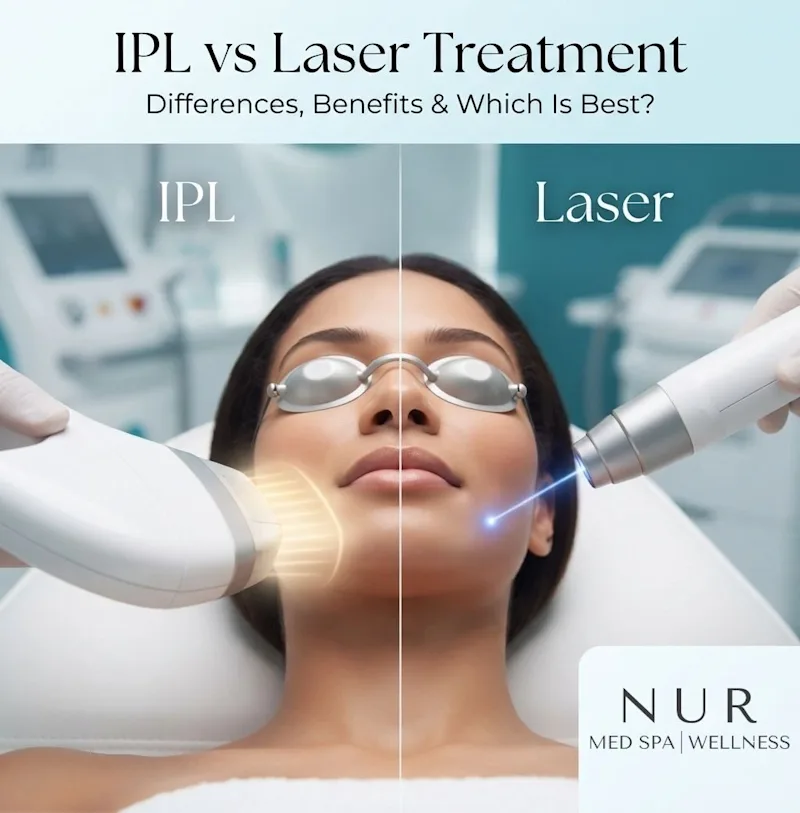
IPL and laser treatment both use light energy to treat skin concerns, but they work differently and produce different results. IPL (Intense Pulsed Light) emits multiple wavelengths of light, while laser devices emit a single, concentrated wavelength. This difference affects treatment precision, skin compatibility, recovery time, and the conditions each technology treats most effectively.
What Are Crow's Feet? Causes, Prevention & Treatment Options
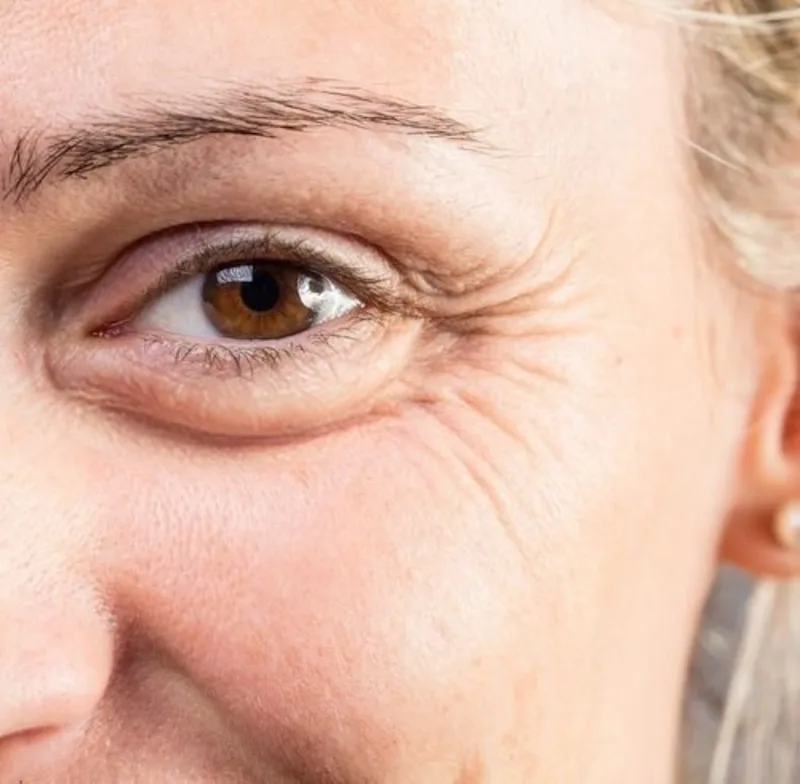
TL;DR: Crow's feet are the fine lines that fan out from the outer corners of your eyes. They come from repeated facial expression (dynamic lines) and from age-related collagen and elastin loss (static lines). Daily sunscreen and retinol can slow their progression, but neuromodulator injections, dermal fillers, laser resurfacing, and chemical peels treat existing lines directly. Most patients get the fastest results from injections, and a combination plan works best for lasting improvement.
How Long Does Botox Last? What to Expect
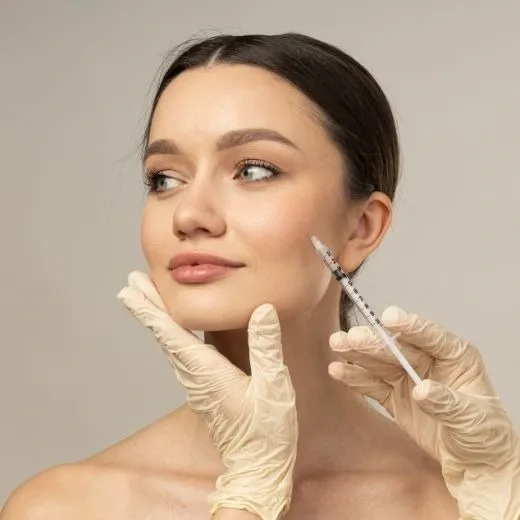
Botox typically lasts 3 to 4 months for most patients, although the exact timeline varies based on the treatment area, dosage, muscle activity, and individual metabolism. Some areas, such as the masseter muscles, may maintain results for up to 6 months, while treatments like a lip flip usually wear off sooner. First-time patients usually see shorter results than repeat patients do.
Lip Filler Swelling Stages: What Your Lips Really Look Like While Healing
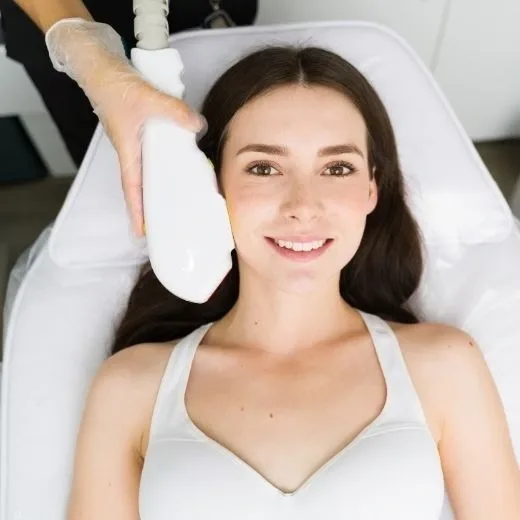
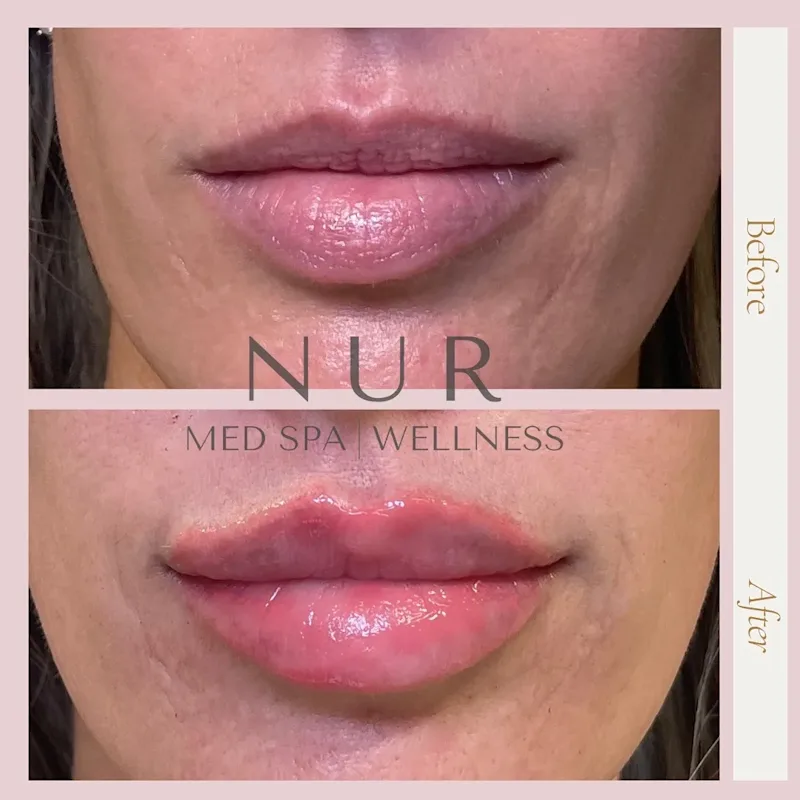
If your lips look overly swollen right after filler, don’t worry. That’s usually part of the process. The truth is, the lip filler swelling stages can be an emotional rollercoaster, especially during the first few days when swelling, tightness, and unevenness are at their peak. Many people think something went wrong before their lips even have time to heal properly.
What Is a Medical Spa: Treatments, Costs & What to Expect
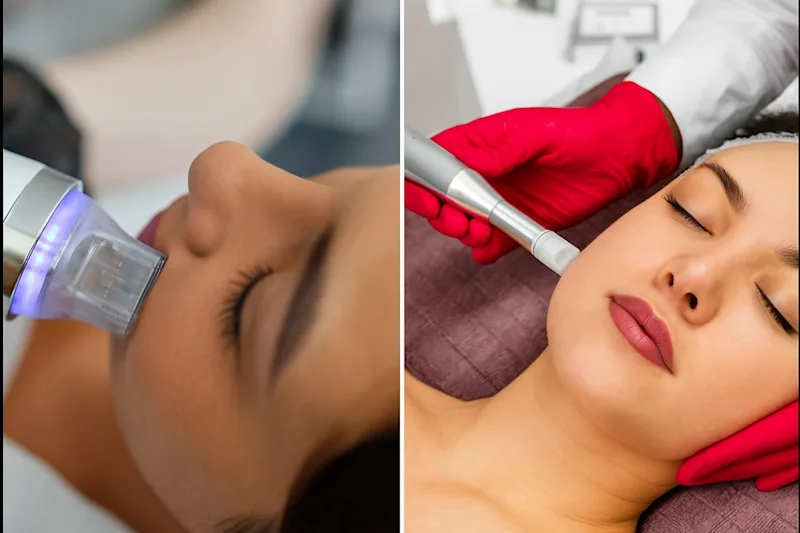
A medical spa, or med spa, is a licensed medical facility that combines the relaxing environment of a traditional spa with physician-supervised aesthetic treatments. Unlike a day spa, a med spa is classified as a medical practice. It offers non-surgical procedures that go beyond the skin's surface, including injectables, laser treatments, skin tightening, body contouring, and medical-grade skincare, all performed or overseen by a licensed healthcare provider.
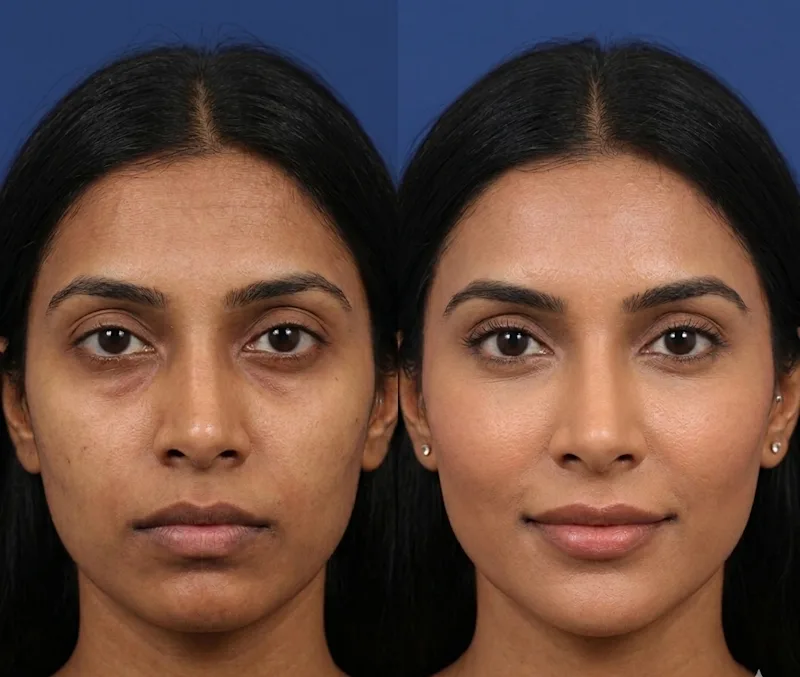
Facial Balancing with Dermal Fillers: Why It’s the Secret to Natural Results
You can enhance your lips, define your jawline, or add volume to your cheeks and still feel like something isn’t quite right. That’s exactly why facial balancing with dermal fillers has become the secret behind the most natural-looking results. It’s not more filler, it’s smarter placement.
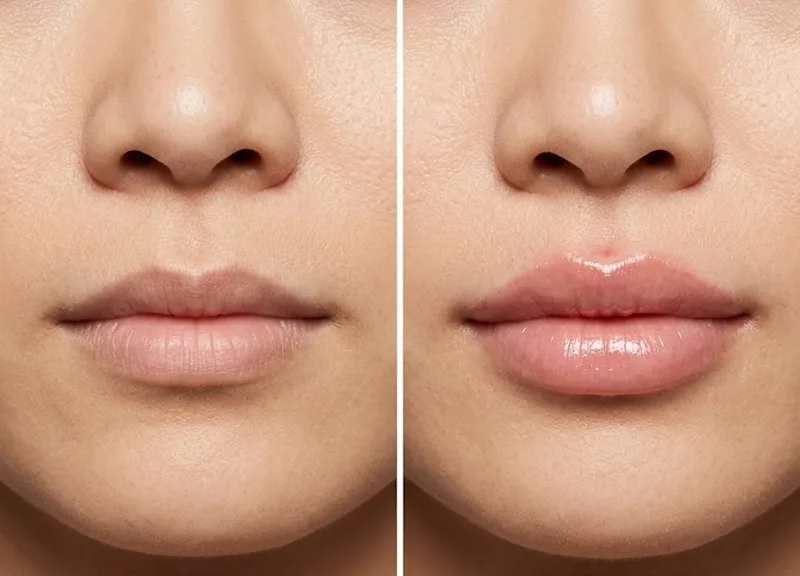
Lip Flip vs Filler: Which One Is Actually Right for You?
If you’ve been researching lip flip vs filler, you’ve probably noticed how confusing it gets. Both promise better-looking lips, but they work in completely different ways.

CONFIDENCE AWAITS
Not Sure Which MedSpa Service You Need?
Explore personalized aesthetic solutions created to
address your skin goals and help you feel
confident in your natural beauty.Explore personalized aesthetic solutions created to address your skin goals and help you feel confident in your natural beauty.