
What to Expect After Microneedling? Microneedling Aftercare Tips
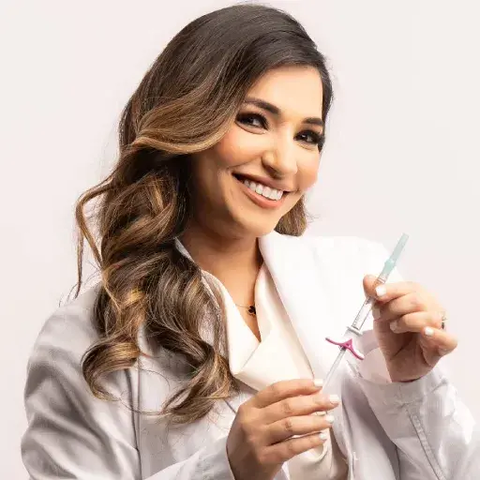
Author: Dr. Saima Rafiq
Updated on December 1, 2025
Summarize this blog post with:
A lot of people get microneedling, but not everyone gets the results they expect. Why? Because the treatment alone isn’t enough. The real results depend on microneedling aftercare.
Right after your session, your skin enters a healing phase. It may feel warm, tight, red, or slightly sensitive, and that’s completely normal. What you do over the next 24–72 hours plays a major role in how smooth, glowing, and even your final results will be. So in this guide, we’ll walk you through microneedling aftercare, what to expect day by day, when to wash your face, and how to protect your healing skin like an expert.
What Is Microneedling?
Microneedling is a minimally invasive treatment performed using a device with ultra-fine needles that create controlled micro-injuries in the skin. These tiny punctures trigger your body’s natural healing response, encouraging collagen and elastin production, which improves:
Acne scars
Fine lines & wrinkles
Enlarged pores
Uneven texture
Dullness & loss of firmness
Microneedling is safe for most skin types when proper aftercare is followed, according to the American Society of Dermatologic Surgery. While it sounds intense, the needles are extremely small and typically not even visible during treatment.
Why Microneedling Aftercare Matters So Much?
Right after microneedling, your skin has temporary micro-channels and a weakened barrier. This makes it more absorbent, more sensitive, and more vulnerable to irritation, bacteria, and sun damage. That’s why expert aftercare is essential, as it protects the skin while helping the collagen remodeling process happen smoothly and safely.
What to Expect After Microneedling Treatment?
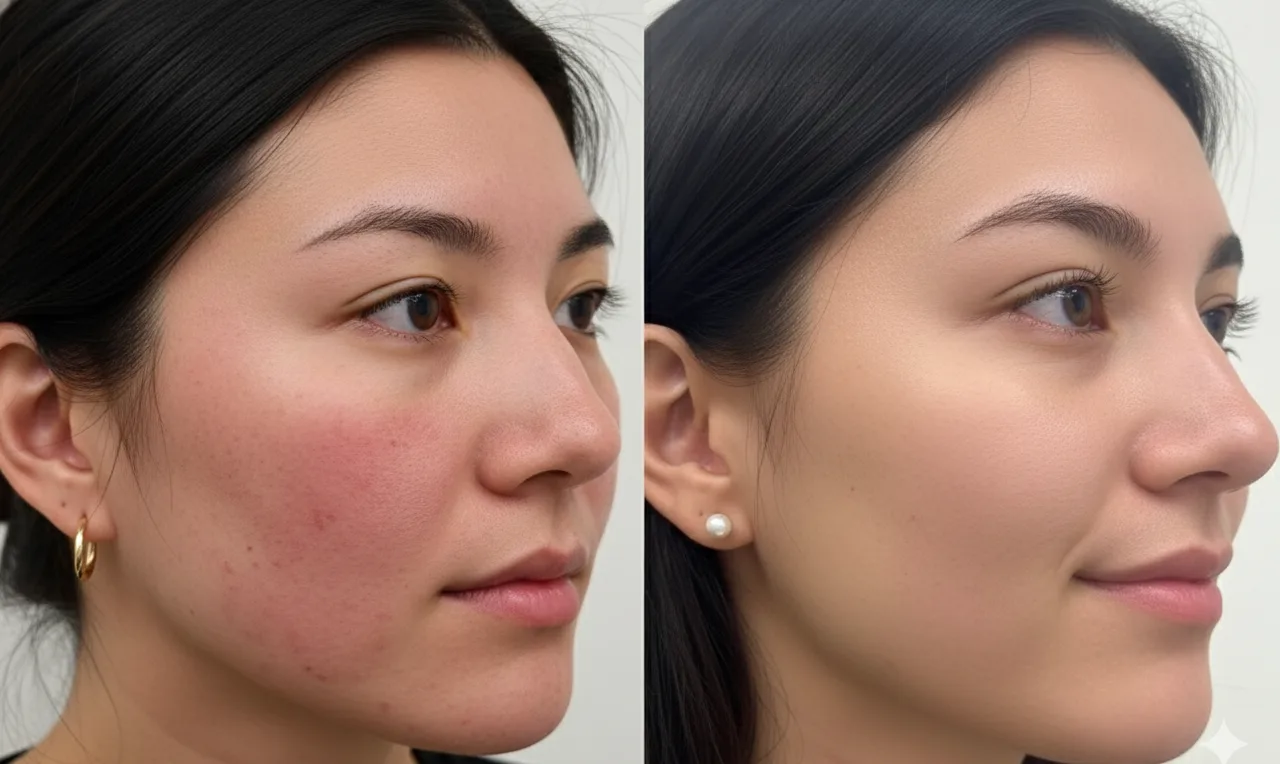
After a microneedling treatment, your skin will often look red and feel flushed, similar to a mild sunburn. This redness usually fades within 24–48 hours. You may also notice swelling, tightness, dryness, mild burning, sensitivity, or flakiness. Minor bruising, soreness, and itching can also occur. Most people see their skin fully recover within 5–7 days, depending on the depth and intensity of the procedure.
For proper microneedling post-care, gently cleanse your face with cool water and the provided mild cleanser, pat your skin dry, and apply a mineral-based SPF 30+ sunscreen. Reapply every 60–90 minutes when outdoors to protect the healing skin.
Microneedling Aftercare Checklist
1. Stick to gentle skincare: Use only the post-treatment products supplied for the first four days. Avoid vitamin A products (Retin-A, Retinol, Tazorac) for a week. Hold off on exfoliants, harsh toners, or any skincare tools for at least seven days. Skip chemical peels for two weeks.
2. Soothe discomfort: Ice packs and acetaminophen (Tylenol) can help with swelling or tenderness. Avoid ibuprofen or Motrin, as they may slow the healing process.
3. Reduce swelling and bruising naturally: Eating fresh pineapple or drinking unsweetened pineapple juice can help. Arnica supplements may also support faster recovery.
4. Protect your skin from the sun: Stay out of direct sunlight for at least two weeks, ideally up to 30 days. Avoid tanning beds and self-tanners, and continue using sunscreen consistently.
5. Hands off: Do not pick, scratch, or rub flaking skin or scabs. Let your skin shed naturally.
6. Shaving: Wait at least three days before shaving, and only resume when the skin feels fully calm.
7. Avoid heat and heavy sweating: Hold off on workouts, saunas, jacuzzis, and steam rooms until the skin is fully healed—usually 3–7 days.
👉Morpheus8 or Microneedling: See Which One Transforms Your Skin Faster
Microneedling Healing Stages (Day-by-Day Timeline)
Understanding how your skin typically heals after microneedling can help you follow aftercare more effectively and know what to expect each day. So, here’s a day-by-day look at what to expect during the microneedling healing process.
Day 0 – Immediately After Treatment
On the day of your microneedling, it’s normal for your skin to feel tight, dry, or even slightly burning. The tiny channels created during the procedure make your skin more sensitive, so it’s important to minimize touching your face and skip your regular skincare to prevent irritation or infection.
Dos:
Use a fragrance-free, mild cleanser if needed. Sometimes it’s best to let serums, PRP, or growth factors remain on your skin for absorption.
Apply only post-treatment serums or gels I recommend. Thicker ointments can help if your skin feels dry.
Don’ts:
Avoid sweating or heavy activity, including workouts, saunas, steam rooms, or hot baths.
Stay out of direct sun; if unavoidable, wear a wide-brimmed hat and a high-SPF, moisturizing sunscreen.
Skip makeup, exfoliating products, retinoids, vitamin C, AHAs, BHAs, scented products, and any facial tools like jade rollers or gua sha.
Avoid ibuprofen, as it can interfere with the natural inflammatory healing process.
Expert tip: For mask wearers, plan your session when you can go mask-free for a few days. Applying a protective ointment like Aquaphor supports healing and shields the skin.
Day 1 – Initial Healing
Your skin may appear red or pink, resembling a moderate sunburn. You might notice slight swelling, bruising, or dryness. The healing process is active, so continue using only gentle products for the next 3–5 days.
Dos:
Use only the cleanser and moisturizer I’ve provided. Hyaluronic acid serums are safe for added hydration.
Drink plenty of water to support skin regeneration.
Apply SPF daily and reapply frequently; the skin is highly sensitive.
Don’ts:
No workouts, sweating, makeup, exfoliants, skincare tools, or ibuprofen.
Avoid prolonged sun exposure.
Day 3 – Recovery Phase
By the third day, redness, sensitivity, and swelling should have improved. Some dryness or roughness may remain, and peeling or small bumps (milia) are normal.
Dos:
Gradually return to your normal skincare, focusing on gentle, hydrating products.
Light exercise is okay if your skin tolerates it; wash your face afterward.
Mineral or light makeup is fine if approved.
Continue drinking water to support cell regeneration.
Don’ts:
Avoid active ingredients like retinoids, AHAs, BHAs, vitamin C, and any exfoliation.
Limit sun exposure; use sunscreen and wear a hat.
Do not pick at peeling skin to prevent infection or disruption of healing.
Day 5 – Advanced Healing
By day five, the channels in your skin should be closed. Most redness, sensitivity, and flakiness have decreased, though some peeling may still occur.
Dos:
Slowly reintroduce active ingredients (vitamin C, retinoids, acids), one at a time, monitoring for irritation.
Increase hydration with richer moisturizers or hyaluronic acid serums.
Makeup is safe; tinted sunscreen can provide both coverage and protection.
Don’ts:
Avoid any treatments that stress the skin, including chemical peels, lasers, waxing, or tanning.
Do not pick at peeling skin.
Day 7 – Full Recovery & Collagen Remodeling
By one week, your skin should be mostly healed. Fine lines, wrinkles, and texture may already show improvement. Collagen production and remodeling continue over the next few weeks.
Dos:
Resume your normal skincare routine, including makeup. Observe your skin carefully and adjust if irritation occurs.
Continue applying broad-spectrum SPF daily to protect your skin while collagen remodeling continues.
Don’ts:
Avoid invasive treatments or procedures that could compromise the skin barrier for several weeks.
Do not pick, scratch, or exfoliate the skin, even if peeling or flaking occurs.
Lifestyle & Nutrition for Faster Microneedling Recovery
1. Hydration & Diet
Proper microneedling aftercare isn’t just about topical products—what you eat and drink plays a key role in recovery.
Water intake: Aim for 8–10 cups (64–80 oz) daily to keep your skin hydrated and support healing after microneedling. Well-hydrated skin recovers faster and helps reduce post-treatment tightness and sensitivity.
Collagen-supporting nutrients: Include vitamin C sources like citrus or berries, or take a 500 mg supplement to support collagen production. Zinc-rich foods such as pumpkin seeds or lentils (15–30 mg supplement if needed) aid in wound healing and reduce inflammation.
2. Pineapple & Arnica for Swelling & Bruising
Pineapple: Consume ½–1 cup fresh pineapple or unsweetened juice for 2–3 days after treatment. Bromelain enzymes help reduce swelling and bruising naturally.
Arnica supplements: Take 2–3 pellets, 2–3 times daily immediately after your microneedling session to help minimize bruising and inflammation.
3. Sleep & Stress Management
Sleep: 7–8 hours of quality rest support collagen synthesis and skin repair.
Stress control: High stress can slow healing and worsen redness. Incorporate breathing exercises, gentle yoga, or meditation.
Gentle facial massage: Around day 4–5, once flaking has reduced, light lymphatic drainage massage can improve circulation and reduce puffiness. Use clean hands and very gentle pressure.
When to Contact Your Skincare Professional?
Microneedling is safe, but if you notice redness, swelling, or pain lasting more than five days, signs of infection, or an allergic reaction to your post-care products, it’s time to call your provider.
At NUR Med Spa & Wellness, we’re here to guide you through every step of your recovery and make sure your skin heals beautifully. At our med spa in Orlando, we offer expert microneedling treatments designed to rejuvenate your skin, improve texture, and give you a radiant glow.
Having doubts? Book your microneedling session in Orlando today and discover the results for yourself!
Yes! Microneedling is safe for most skin types, including sensitive skin. Our licensed providers assess your skin and recommend the best settings and post-treatment care to ensure safe healing and optimal results.
Microneedling Aftercare FAQs
How should I care for my skin after microneedling?
Proper microneedling aftercare is key to achieving smooth, radiant skin. Use only the gentle cleansers and serums provided, avoid makeup for the first 24–48 hours, and protect your skin with a mineral SPF 30+ sunscreen. Stay hydrated and follow our detailed aftercare guide for the fastest recovery.
Will microneedling hurt?
Most patients feel minimal discomfort. We apply a topical numbing cream before treatment to make the procedure as comfortable as possible. Some may experience mild redness, tightness, or a sunburn-like sensation afterward, which usually fades within a few days.
How many sessions will I need for best results?
The number of sessions depends on your skin goals. For acne scars or deeper wrinkles, we often recommend 3–6 sessions spaced 4–6 weeks apart. During a consultation at NUR Med Spa & Wellness, we’ll create a personalized plan to help you achieve long-lasting skin rejuvenation.
When will I see results?
You may notice smoother, more radiant skin within 5–7 days, but collagen remodeling continues for several weeks. Full results typically appear around 4–6 weeks after treatment, especially with consistent aftercare and follow-up sessions.
Can microneedling help with acne scars and uneven texture?
Absolutely. Microneedling is one of the most effective treatments for reducing acne scars, improving skin tone, and refining texture. The micro-injuries trigger natural skin healing, which smooths and firms the skin over time.
Are there any side effects?
Temporary redness, swelling, flaking, and mild bruising are normal. These effects usually subside within 3–7 days. Following proper microneedling aftercare helps minimize discomfort and supports faster recovery.
How do I book a microneedling session at NUR Med Spa & Wellness?
Booking is easy! Call our Orlando med spa or schedule online. During your consultation, we’ll discuss your goals, skin type, and the most effective treatment plan to give you glowing, rejuvenated skin.
Disclaimer: This blog is for general informational purposes only and is not medical advice. Always consult a licensed healthcare professional before starting any treatment or procedure. Do not rely solely on this content for medical decisions. We are not responsible for any actions taken based on the information provided.
Written By
Dr. Saima Rafiq, D.O.
Top Aesthetic Injector, Osteopathic Physician

Dr. Saima Rafiq, D.O., Co-Founder and Medical Director of NUR Med Spa, brings over a decade of medical expertise to the world of aesthetics and wellness. Board-certified in internal medicine and a graduate of Nova Southeastern University.
14+
Years in aesthetic
200+
Clinic clients served
Get in Touch
We're here to help you look and feel your best. Send us a message and our team will respond promptly.
Learn More Before Your Treatment
Explore our expert resources to learn what to expect, how to prepare, and how to support your results with proper aftercare.
BHRT vs HRT: What’s the Difference, and Which Is Better?
Hot flashes, poor sleep, mood changes, and low energy can make everyday life difficult. If you’re experiencing these symptoms, you may be wondering whether hormone therapy could help. But when researching BHRT vs HRT, how do you know the difference, and which option is right for you?

Why Am I Always Tired? 6 Common Reasons for Low Energy
If you've been wondering, “why do I have no energy?”, you're not imagining how frustrating it can be. You may get through your morning with coffee, feel sleepy again by afternoon, and still wonder “why am I always tired?” even though you think you're doing everything right.
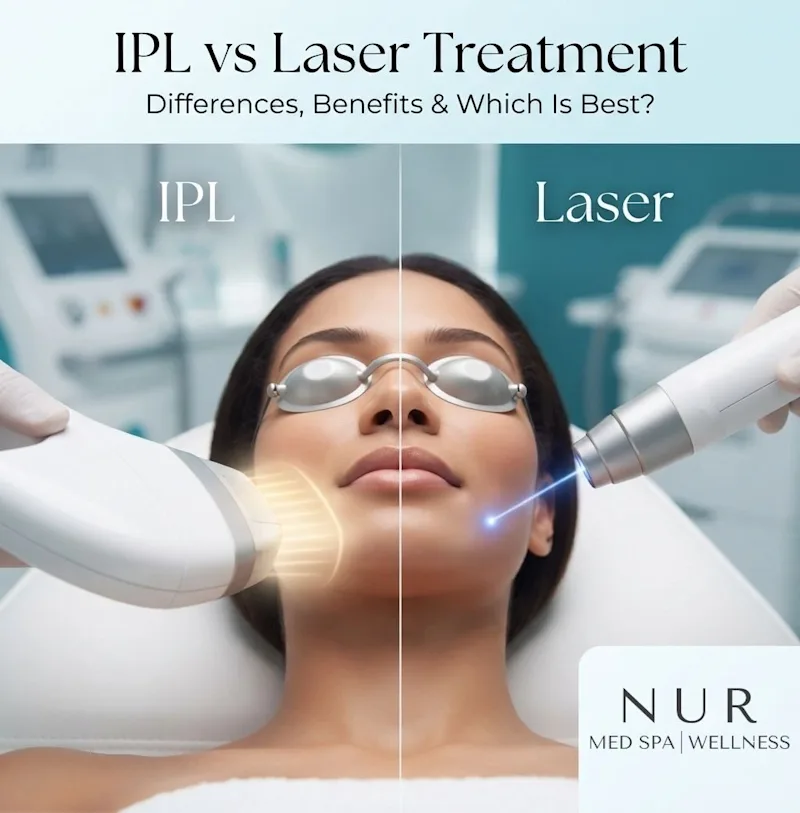
IPL vs. Laser Treatment: Which Is Right for Your Skin?
IPL and laser treatment both use light energy to treat skin concerns, but they work differently and produce different results. IPL (Intense Pulsed Light) emits multiple wavelengths of light, while laser devices emit a single, concentrated wavelength. This difference affects treatment precision, skin compatibility, recovery time, and the conditions each technology treats most effectively.
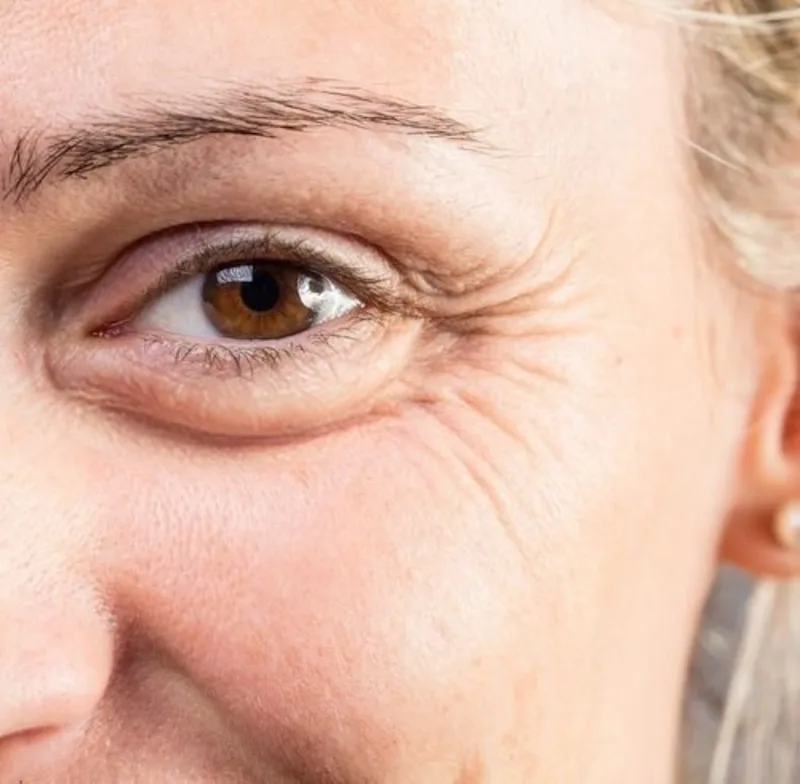
What Are Crow's Feet? Causes, Prevention & Treatment Options
TL;DR: Crow's feet are the fine lines that fan out from the outer corners of your eyes. They come from repeated facial expression (dynamic lines) and from age-related collagen and elastin loss (static lines). Daily sunscreen and retinol can slow their progression, but neuromodulator injections, dermal fillers, laser resurfacing, and chemical peels treat existing lines directly. Most patients get the fastest results from injections, and a combination plan works best for lasting improvement.
How Long Does Botox Last? What to Expect
Botox typically lasts 3 to 4 months for most patients, although the exact timeline varies based on the treatment area, dosage, muscle activity, and individual metabolism. Some areas, such as the masseter muscles, may maintain results for up to 6 months, while treatments like a lip flip usually wear off sooner. First-time patients usually see shorter results than repeat patients do.
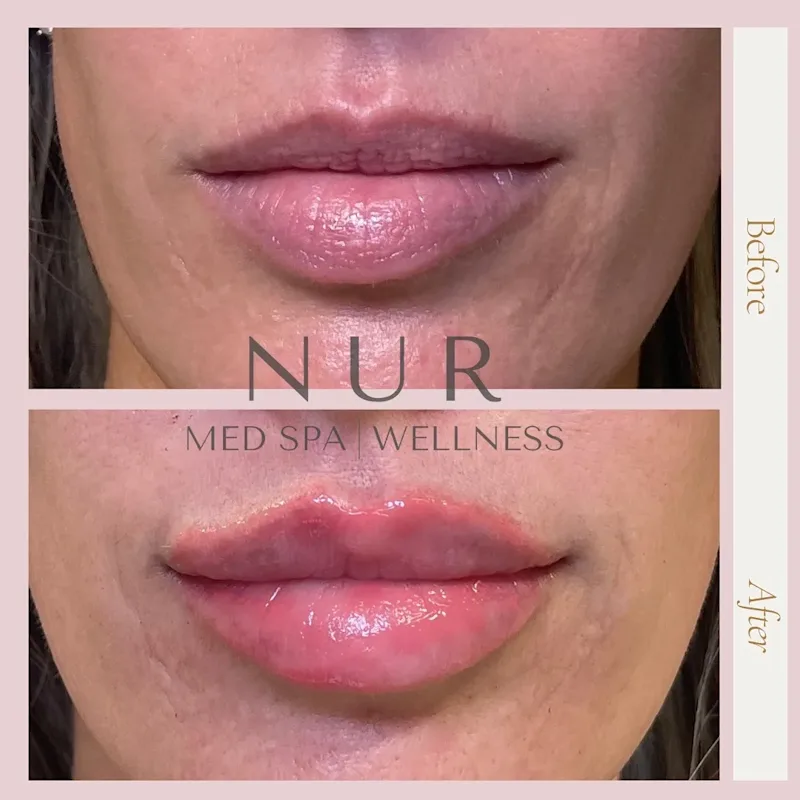
Lip Filler Swelling Stages: What Your Lips Really Look Like While Healing
If your lips look overly swollen right after filler, don’t worry. That’s usually part of the process. The truth is, the lip filler swelling stages can be an emotional rollercoaster, especially during the first few days when swelling, tightness, and unevenness are at their peak. Many people think something went wrong before their lips even have time to heal properly.
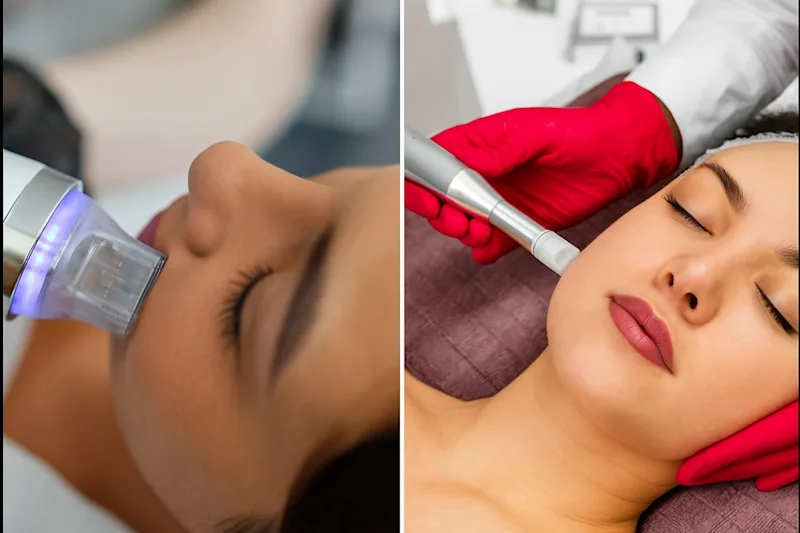
What Is a Medical Spa: Treatments, Costs & What to Expect
A medical spa, or med spa, is a licensed medical facility that combines the relaxing environment of a traditional spa with physician-supervised aesthetic treatments. Unlike a day spa, a med spa is classified as a medical practice. It offers non-surgical procedures that go beyond the skin's surface, including injectables, laser treatments, skin tightening, body contouring, and medical-grade skincare, all performed or overseen by a licensed healthcare provider.
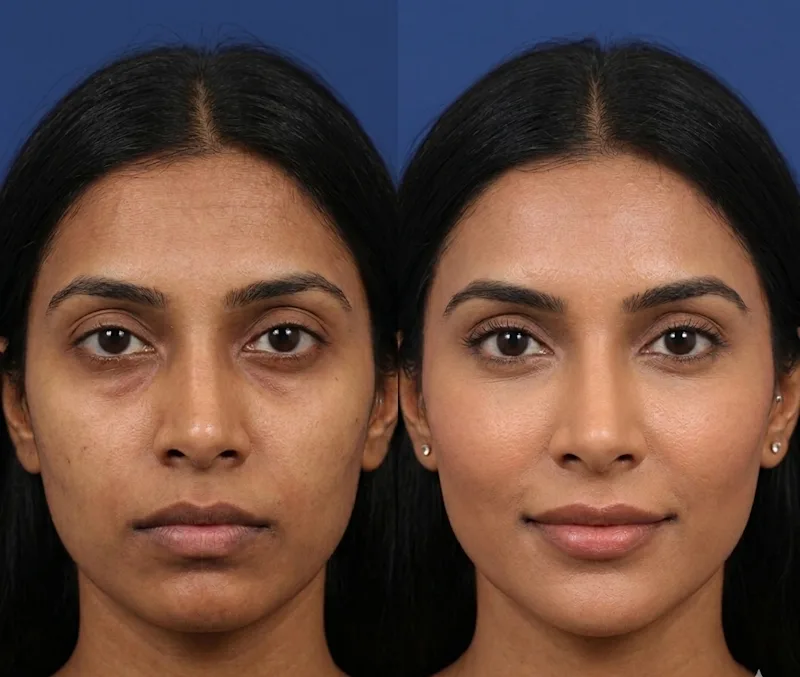
Facial Balancing with Dermal Fillers: Why It’s the Secret to Natural Results
You can enhance your lips, define your jawline, or add volume to your cheeks and still feel like something isn’t quite right. That’s exactly why facial balancing with dermal fillers has become the secret behind the most natural-looking results. It’s not more filler, it’s smarter placement.
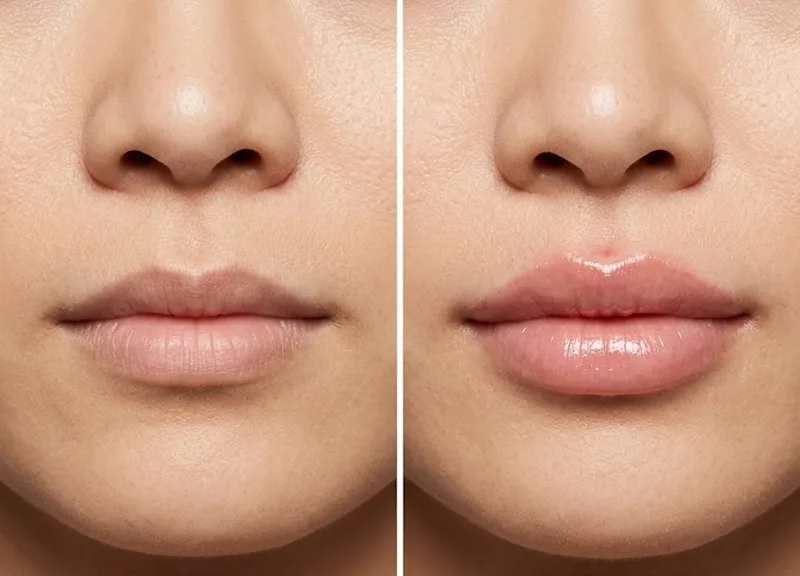
Lip Flip vs Filler: Which One Is Actually Right for You?
If you’ve been researching lip flip vs filler, you’ve probably noticed how confusing it gets. Both promise better-looking lips, but they work in completely different ways.
CONFIDENCE AWAITS
Not Sure Which MedSpa Service You Need?
Explore personalized aesthetic solutions created to
address your skin goals and help you feel
confident in your natural beauty.Explore personalized aesthetic solutions created to address your skin goals and help you feel confident in your natural beauty.