
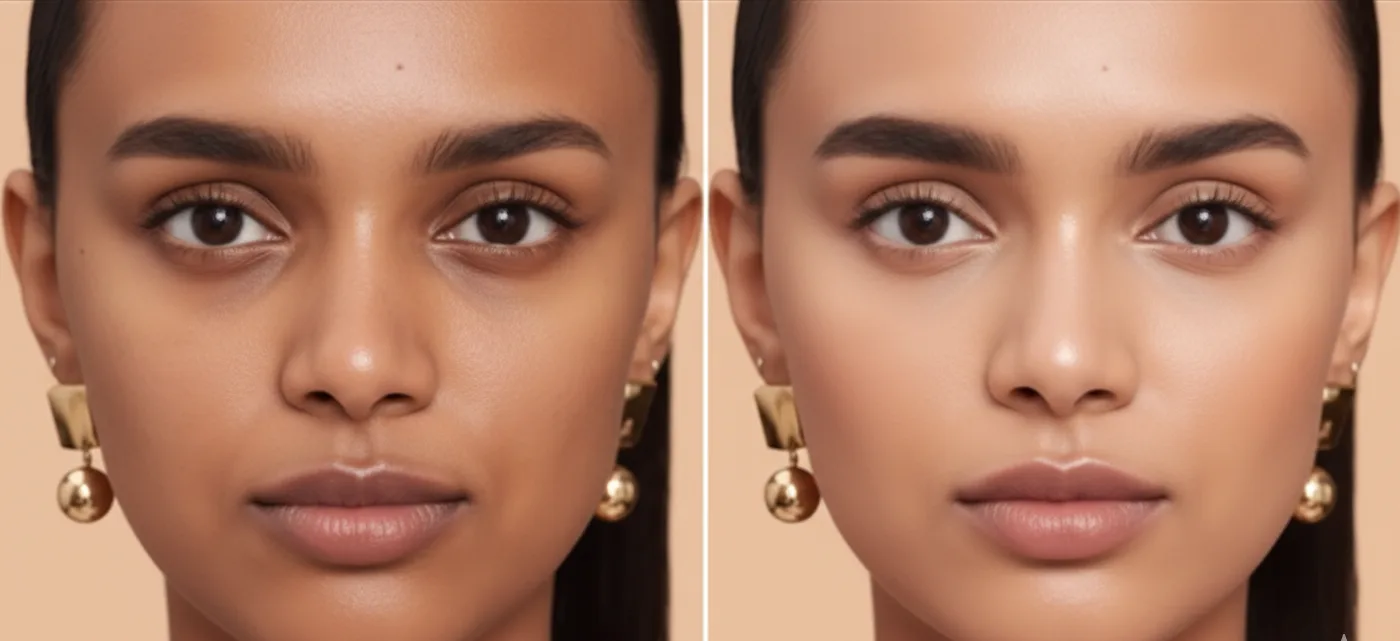
How to Get Rid of Dark Circles Under Eyes Fast, Naturally & Permanently?

Author: Dr. Saima Rafiq
Updated on January 29, 2026
Summarize this blog post with:
“It was another Monday morning. I had slept eight hours, yet when I looked in the mirror, those dark shadows under my eyes made me look exhausted. I tried every cream, every hack I could find online, but nothing worked.”
If you’ve ever felt the same frustration, you know how stubborn dark circles can be. The truth is, learning how to get rid of dark circles under eyes isn’t just about sleep; it’s about understanding what really causes them: genetics, thinning skin, pigmentation, allergies, or even hidden dietary triggers.
As a medical expert, I can assure you that there’s a way to tackle this under-eye concern effectively and naturally. Let’s explore.
What Are Dark Circles Under the Eyes?
Dark circles under the eyes refer to the darkened appearance of the skin beneath the lower eyelids. This darkness can appear blue, purple, brown, or even black, depending on your skin tone and what’s causing it.
Since the skin in this area is very thin and delicate, things like visible blood vessels, pigmentation, or volume loss tend to show more easily. As a result, this common under-eye concern can make you look tired or older than you actually are. While they’re usually not a medical concern, many people still want to lighten them to look more refreshed and well-rested.
Why Do I Have Dark Circles When I Get Enough Sleep?
If you’re getting enough sleep but still notice dark circles under your eyes, you’re not alone. Sleep is only one part of the picture. Dark circles can also be caused by genetics, daily habits, and environmental factors like sun exposure or allergies.
Some people are naturally more likely to get dark circles, even when they take good care of their skin. In many cases, dark circles under the eyes happen because of a combination of reasons, not just lack of sleep.
What Causes Dark Circles Under Eyes?
Dark circles don’t appear for just one reason. In most cases, they’re caused by a mix of lifestyle habits and natural biological factors. Here’s a simple breakdown.
Lifestyle Factors
1. Lack of Sleep
When you’re not sleeping well—whether it’s late nights, poor-quality sleep, or an irregular schedule—your body starts to show signs of fatigue. One of the first places this shows up is around your eyes. The skin can look dull, and dark circles under the eyes become more noticeable, making you look tired even when you don’t feel it.
2. Dehydration
Not drinking enough water can leave your skin looking dry, dull, and tired. The under-eye area is especially sensitive, so dehydration can make it look darker and slightly sunken. Fine dehydration lines may also appear, which can further highlight dark circles. If dark circles seem worse when your skin feels dry or tight, treatments that focus on hydration and advanced skin rejuvenation can make a visible difference.
3. Sun Exposure
Too much sun can trigger excess melanin production, leading to hyperpigmentation. When this happens around the eyes, the skin can darken over time, making dark circles more noticeable. This is especially common for people who spend a lot of time outdoors without proper sun protection.
4. Stress
Ongoing stress affects more than just your mood. It can disrupt sleep, reduce hydration, and lead to habits like smoking or alcohol use, which can worsen dark circles under the eyes. Managing stress and overall well-being plays a bigger role in skin health than most people realize.
Biological Factors
1. Aging
As you age, your skin naturally produces less collagen and loses elasticity. The skin under the eyes becomes thinner, making blood vessels and shadows more visible. This can cause the under-eye area to look darker, flatter, and more tired over time. This is where professional under-eye treatments designed to restore volume and support collagen can be especially helpful.
2. Genetics
Sometimes, dark circles are simply inherited. If dark circles run in your family, you may notice them even if you sleep well and stay hydrated. In these cases, topical products alone may not be enough to fully correct them.
3. Allergies
Allergies can irritate the delicate eye area, causing inflammation and itching. Frequent rubbing can damage the skin and make dark circles more visible. Seasonal allergies are a very common trigger.
4. Vitamin & Mineral Deficiencies
Low levels of iron or vitamin B12 have been linked to dark circles under the eyes. These deficiencies can reduce oxygen flow in the blood, giving the under-eye area a darker, tired appearance.
How To Get Rid Of Dark Circles Under Eyes At Home?
There are several easy things you can try at home to reduce the appearance of dark circles under your eyes, especially if they’re caused by tiredness, dehydration, or puffiness.
Get enough sleep: Aim for at least seven hours a night so your eyes look more rested and shadows don’t settle in. You can also try sleeping with your head slightly elevated by using an extra pillow. This helps prevent fluid from collecting under your eyes overnight.
Use a cold compress: Cold spoons, chilled eye masks, or even a cold washcloth can help shrink blood vessels and reduce puffiness.
Use cucumber slices: They are another popular option as they’re cooling, hydrating, and can temporarily refresh tired-looking eyes.
Cold tea bags: Cold tea bags, especially green or black tea, can also help. They contain caffeine and antioxidants that support circulation and reduce darkness.
Regular facials or gentle under-eye massage: They improve blood flow in the area over time, which can help reduce the appearance of dark circles and give your eyes a brighter, more refreshed look.
How to Get Rid of Dark Circles Under Eyes: Medical Treatments
If home remedies aren’t giving you the results you want or if you’re looking for faster, longer-lasting improvement, it may be time to consider professional treatment.
Medical options for dark circles under the eyes can include topical creams with ingredients like vitamin C, which help brighten skin, as well as lightening agents that reduce pigmentation when used correctly. Chemical peels may be recommended to improve uneven skin tone and discoloration.
For deeper or more stubborn dark circles, laser treatments can help tighten skin and improve texture, while dermal fillers can restore lost volume and reduce shadowing under the eyes. In more advanced cases, eyelid surgery may be an option to remove excess skin or fat.
Another popular treatment is PRP (platelet-rich plasma) injections, which use your body’s own growth factors to support collagen production and improve skin quality around the eyes.
When Should You See a Doctor?
In most cases, dark circles under your eyes are harmless and related to common factors like aging or lifestyle. However, if you notice darkness or swelling under just one eye, or if it appears suddenly and doesn’t improve, it’s best to speak with a healthcare provider. This helps rule out any underlying issue that may need attention.
Can Dark Circles Go Away Permanently?
Dark circles usually don’t disappear completely on their own, but you can make them look much better. Using good skincare, keeping your skin hydrated, protecting it from the sun, and taking care of your overall health can help your under-eye area look brighter, smoother, and healthier. The key is to prevent them and treat them regularly.
Take Action Today: Say Goodbye to Dark Circles
Don’t let dark circles make you look tired or older than you feel. At NUR Med Spa in Orlando, Lake Nona, and Altamonte Springs, we offer advanced under-eye treatments, from hydrating facials and dermal fillers to PRP injections, designed to brighten, smooth, and rejuvenate your eye area. Whether you prefer gentle home care or professional solutions, we will create a personalized plan just for you.
Book your consultation today and discover the treatments that work best for you. You can also contact us directly at 321-405-1744 or email us at info@thenurmedspa.com for more information.
FAQs About Dark Circles Under Eyes
Can kids have dark circles under their eyes?
Yes, children can develop dark circles, too. Common causes include genetics, fatigue, dehydration, or allergies. If dark circles persist, consult a healthcare provider to rule out underlying conditions.
How to remove dark circles at home naturally in 2 days?
While a significant change in 2 days is tough, you can minimize appearance by sleeping well, using cold compresses, applying cucumber slices, and staying hydrated. Regular care over time produces better results.
What foods cause dark circles under eyes?
High-salt foods, excessive sugar, and processed foods can worsen puffiness and under-eye shadows. Eating nutrient-rich foods, drinking plenty of water, and maintaining a healthy lifestyle help prevent dark circles naturally.
Disclaimer: This blog is for general informational purposes only and is not medical advice. Always consult a licensed healthcare professional before starting any treatment or procedure. Do not rely solely on this content for medical decisions. We are not responsible for any actions taken based on the information provided.

Written By
Dr. Saima Rafiq, D.O.
Top Aesthetic Injector, Osteopathic Physician

Dr. Saima Rafiq, D.O., Co-Founder and Medical Director of NUR Med Spa, brings over a decade of medical expertise to the world of aesthetics and wellness. Board-certified in internal medicine and a graduate of Nova Southeastern University.
14+
Years in aesthetic
200+
Clinic clients served
Get in Touch
We're here to help you look and feel your best. Send us a message and our team will respond promptly.
Learn More Before Your Treatment
Explore our expert resources to learn what to expect, how to prepare, and how to support your results with proper aftercare.
BHRT vs HRT: What’s the Difference, and Which Is Better?
Hot flashes, poor sleep, mood changes, and low energy can make everyday life difficult. If you’re experiencing these symptoms, you may be wondering whether hormone therapy could help. But when researching BHRT vs HRT, how do you know the difference, and which option is right for you?

Why Am I Always Tired? 6 Common Reasons for Low Energy
If you've been wondering, “why do I have no energy?”, you're not imagining how frustrating it can be. You may get through your morning with coffee, feel sleepy again by afternoon, and still wonder “why am I always tired?” even though you think you're doing everything right.
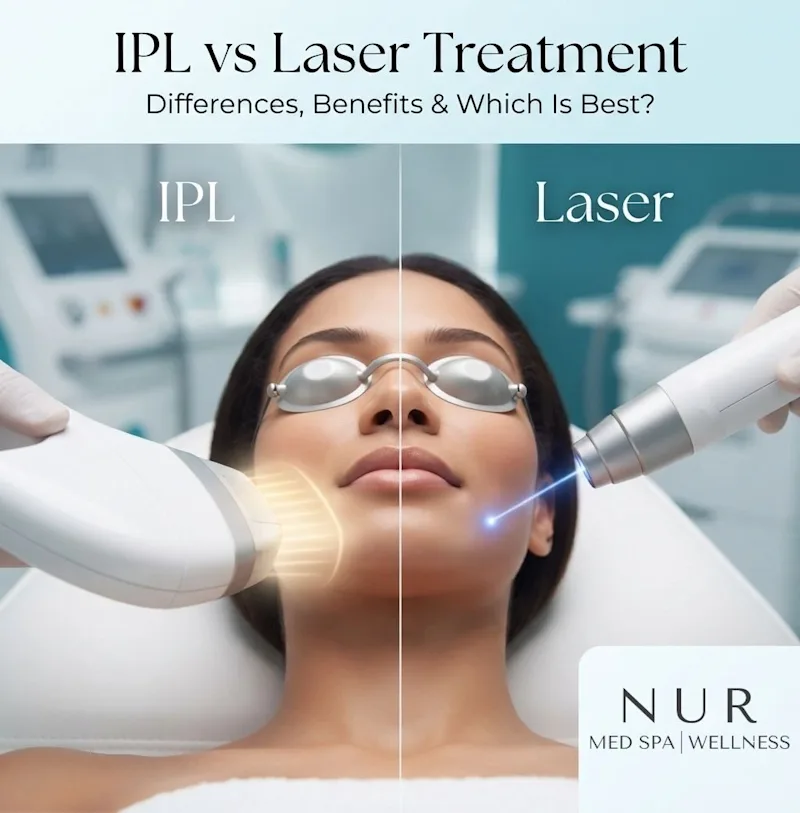
IPL vs. Laser Treatment: Which Is Right for Your Skin?
IPL and laser treatment both use light energy to treat skin concerns, but they work differently and produce different results. IPL (Intense Pulsed Light) emits multiple wavelengths of light, while laser devices emit a single, concentrated wavelength. This difference affects treatment precision, skin compatibility, recovery time, and the conditions each technology treats most effectively.
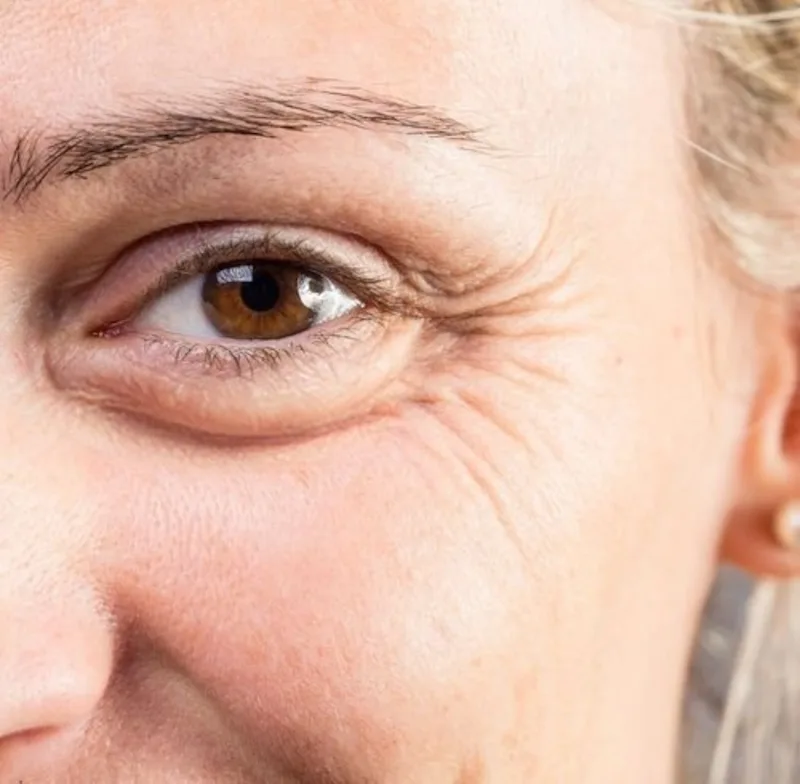
What Are Crow's Feet? Causes, Prevention & Treatment Options
TL;DR: Crow's feet are the fine lines that fan out from the outer corners of your eyes. They come from repeated facial expression (dynamic lines) and from age-related collagen and elastin loss (static lines). Daily sunscreen and retinol can slow their progression, but neuromodulator injections, dermal fillers, laser resurfacing, and chemical peels treat existing lines directly. Most patients get the fastest results from injections, and a combination plan works best for lasting improvement.
How Long Does Botox Last? What to Expect
Botox typically lasts 3 to 4 months for most patients, although the exact timeline varies based on the treatment area, dosage, muscle activity, and individual metabolism. Some areas, such as the masseter muscles, may maintain results for up to 6 months, while treatments like a lip flip usually wear off sooner. First-time patients usually see shorter results than repeat patients do.
Lip Filler Swelling Stages: What Your Lips Really Look Like While Healing
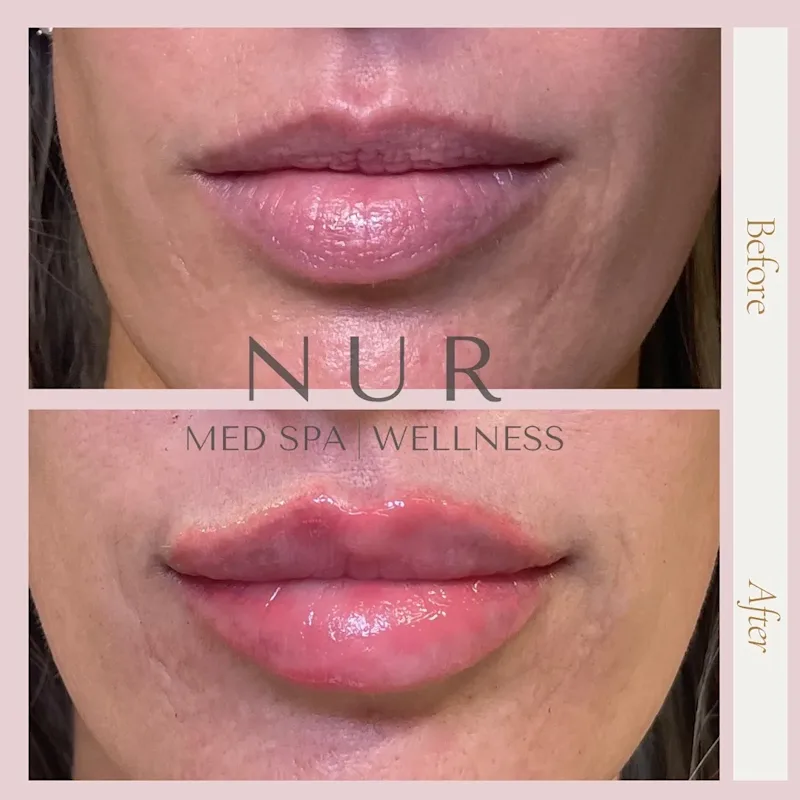
If your lips look overly swollen right after filler, don’t worry. That’s usually part of the process. The truth is, the lip filler swelling stages can be an emotional rollercoaster, especially during the first few days when swelling, tightness, and unevenness are at their peak. Many people think something went wrong before their lips even have time to heal properly.
What Is a Medical Spa: Treatments, Costs & What to Expect
A medical spa, or med spa, is a licensed medical facility that combines the relaxing environment of a traditional spa with physician-supervised aesthetic treatments. Unlike a day spa, a med spa is classified as a medical practice. It offers non-surgical procedures that go beyond the skin's surface, including injectables, laser treatments, skin tightening, body contouring, and medical-grade skincare, all performed or overseen by a licensed healthcare provider.
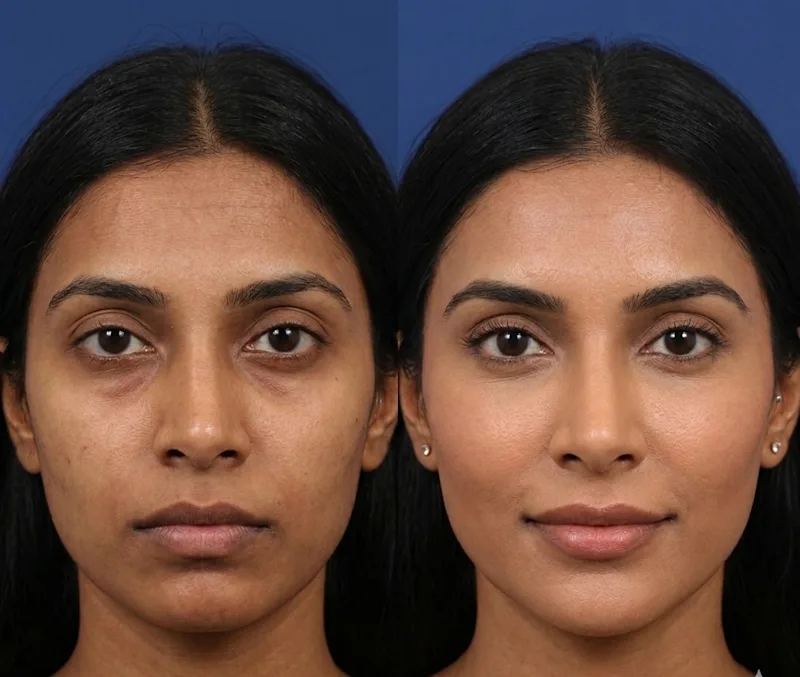
Facial Balancing with Dermal Fillers: Why It’s the Secret to Natural Results
You can enhance your lips, define your jawline, or add volume to your cheeks and still feel like something isn’t quite right. That’s exactly why facial balancing with dermal fillers has become the secret behind the most natural-looking results. It’s not more filler, it’s smarter placement.
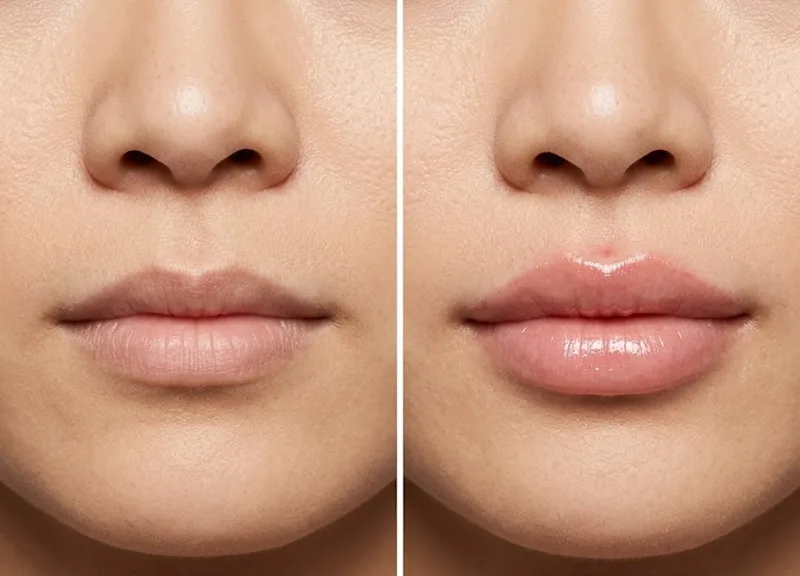
Lip Flip vs Filler: Which One Is Actually Right for You?
If you’ve been researching lip flip vs filler, you’ve probably noticed how confusing it gets. Both promise better-looking lips, but they work in completely different ways.
CONFIDENCE AWAITS
Not Sure Which MedSpa Service You Need?
Explore personalized aesthetic solutions created to
address your skin goals and help you feel
confident in your natural beauty.Explore personalized aesthetic solutions created to address your skin goals and help you feel confident in your natural beauty.