
What Are Crow's Feet? Causes, Prevention & Treatment Options

Author: Dr. Saima Rafiq
Updated on July 11, 2026
Summarize this blog post with:
TL;DR: Crow's feet are the fine lines that fan out from the outer corners of your eyes. They come from repeated facial expression (dynamic lines) and from age-related collagen and elastin loss (static lines). Daily sunscreen and retinol can slow their progression, but neuromodulator injections, dermal fillers, laser resurfacing, and chemical peels treat existing lines directly. Most patients get the fastest results from injections, and a combination plan works best for lasting improvement.
If you have started noticing small lines forming at the outer corners of your eyes when you smile, you are not imagining it. Crow's feet are one of the earliest visible signs of aging, and nearly everyone develops them eventually because the skin around the eyes is thinner than skin anywhere else on the face. The good news is you have more options than ever to soften them, from your morning skincare routine to same-day injectable treatments.
Over the years, I've treated many patients who wanted to reduce crow's feet while preserving natural facial movement and expression. In this guide, I'll explain what crow's feet are, why they develop, when they typically appear, and the treatment options that can help you achieve natural-looking, refreshed results.
What Are Crow's Feet?
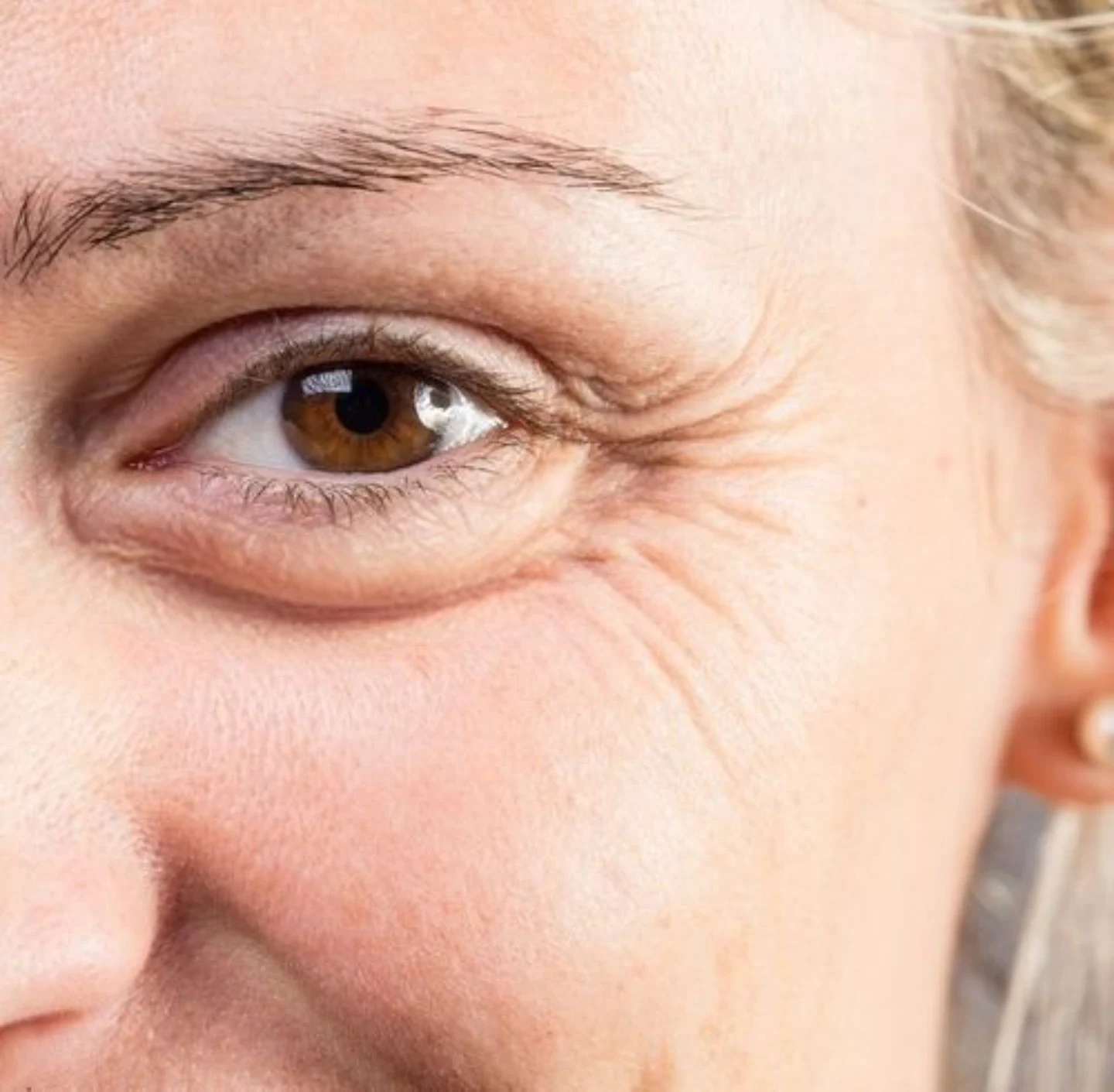
Crow's feet are the fine lines and wrinkles that radiate outward from the corners of your eyes, named for their resemblance to a bird's footprint. They usually appear first when you smile, laugh, or squint because repeated facial movements cause the underlying orbicularis oculi muscle to contract. These are known as dynamic wrinkles. Over time, as your skin produces less collagen and elastin, these temporary lines can remain visible even when your face is at rest. These are called static wrinkles. Medically known as lateral canthal lines, they form because the skin around the eyes is thinner and more delicate than the rest of the face, making it more vulnerable to repeated muscle movement and age-related changes.
What Causes Crow's Feet?
Crow's feet develop because repeated facial movements combine with natural skin aging. Every time you smile, laugh, squint, or blink, the muscles around your eyes contract. As collagen, elastin, and hyaluronic acid decline with age, the skin becomes less able to bounce back, allowing temporary expression lines to become permanent wrinkles.
Natural Aging
Natural aging is the most common cause of crow's feet. Beginning in your mid-20s, your body gradually produces less collagen and elastin, the proteins responsible for keeping skin firm and elastic. As the skin around the eyes becomes thinner and less resilient, fine lines become more noticeable.
Repeated Facial Expressions
Smiling, laughing, squinting, and even blinking activate the orbicularis oculi muscle, which surrounds the eye. These repeated movements create dynamic wrinkles. Over time, dynamic wrinkles can develop into static wrinkles that remain visible even when your face is relaxed.
Sun Exposure
Ultraviolet (UV) radiation accelerates skin aging by breaking down collagen and elastin, a process known as photoaging. Frequent sun exposure without adequate protection can cause crow's feet to appear earlier and become more pronounced.
Lifestyle Factors
Several everyday habits can speed up wrinkle formation around the eyes, including:
Smoking, which reduces blood flow and damages collagen
Chronic dehydration, which can make fine lines more noticeable
Poor sleep quality
Repeated squinting from uncorrected vision or bright sunlight
A diet lacking nutrients that support healthy skin
Genetics and Sex Differences
Some people are simply more prone to crow's feet because of inherited skin type. Some people naturally have thinner skin, lower collagen levels, or facial expressions that make these lines appear earlier than others. Interestingly, men tend to develop crow's feet earlier than women because they carry higher levels of enzymes that break down collagen.
At What Age Do Crow's Feet Typically Appear?
Crow's feet can begin developing as early as your mid-to-late 20s, although the exact age varies from person to person. Genetics, sun exposure, skincare habits, and lifestyle all influence how quickly these fine lines appear and become more noticeable.
20s: Dynamic expression lines may appear when you smile, laugh, or squint but usually fade when your face is relaxed.
30s: Collagen and elastin production continue to decline, making fine lines more visible and slower to disappear after facial expressions.
40s and beyond: Dynamic wrinkles often become static wrinkles that remain visible even when your face is at rest.
In my experience, patients often seek treatment in their 30s and 40s, but preventive treatments can begin earlier for those who want to slow wrinkle formation.
Can You Prevent Crow's Feet?
You cannot prevent crow's feet completely since they are a natural part of aging and facial expression, but you can slow how fast they develop and how deep they get. Consistent sun protection, a targeted skincare routine, and healthy lifestyle habits help preserve collagen and elastin, while early aesthetic treatments can minimize the appearance of expression lines before they become more permanent.
Protect Your Skin from the Sun
Daily sun protection is one of the most effective ways to slow the development of crow's feet because ultraviolet (UV) radiation breaks down collagen and elastin, accelerating photoaging. Apply a broad-spectrum sunscreen with SPF 30 or higher every day, wear UV-blocking sunglasses to reduce squinting, use a wide-brimmed hat when you're outdoors for extended periods, and reapply sunscreen as directed when spending time in the sun. For more detail on building this into your routine, see our guide on how to protect your skin from summer sun damage.
Follow a Consistent Skincare Routine
A consistent skincare routine helps maintain healthy skin and can reduce the appearance of early fine lines. Ingredients such as retinoids support collagen production, vitamin C provides antioxidant protection, hyaluronic acid improves hydration, and peptides help strengthen the skin barrier. Because the skin around the eyes is delicate, choose medical grade skincare products formulated for this area or recommended by your aesthetic provider.
Maintain Healthy Lifestyle Habits
Healthy lifestyle choices can support skin health and slow premature aging. Avoid smoking, stay hydrated, eat a balanced diet rich in antioxidants and protein, get enough quality sleep, and wear prescription glasses or sunglasses if you frequently squint. Together, these habits help reduce factors that contribute to collagen breakdown and wrinkle formation.
Consider Preventive Aesthetic Treatments
Preventive aesthetic treatments may help reduce the formation of deeper expression lines before they become static wrinkles. Neuromodulators such as Botox® and Dysport® temporarily relax the muscles responsible for repeated facial movements, decreasing the stress placed on the skin. In my experience, patients who combine preventive treatments with good skincare and daily sun protection often maintain smoother, natural-looking skin for longer.
What Are the Best Treatments for Crow's Feet?
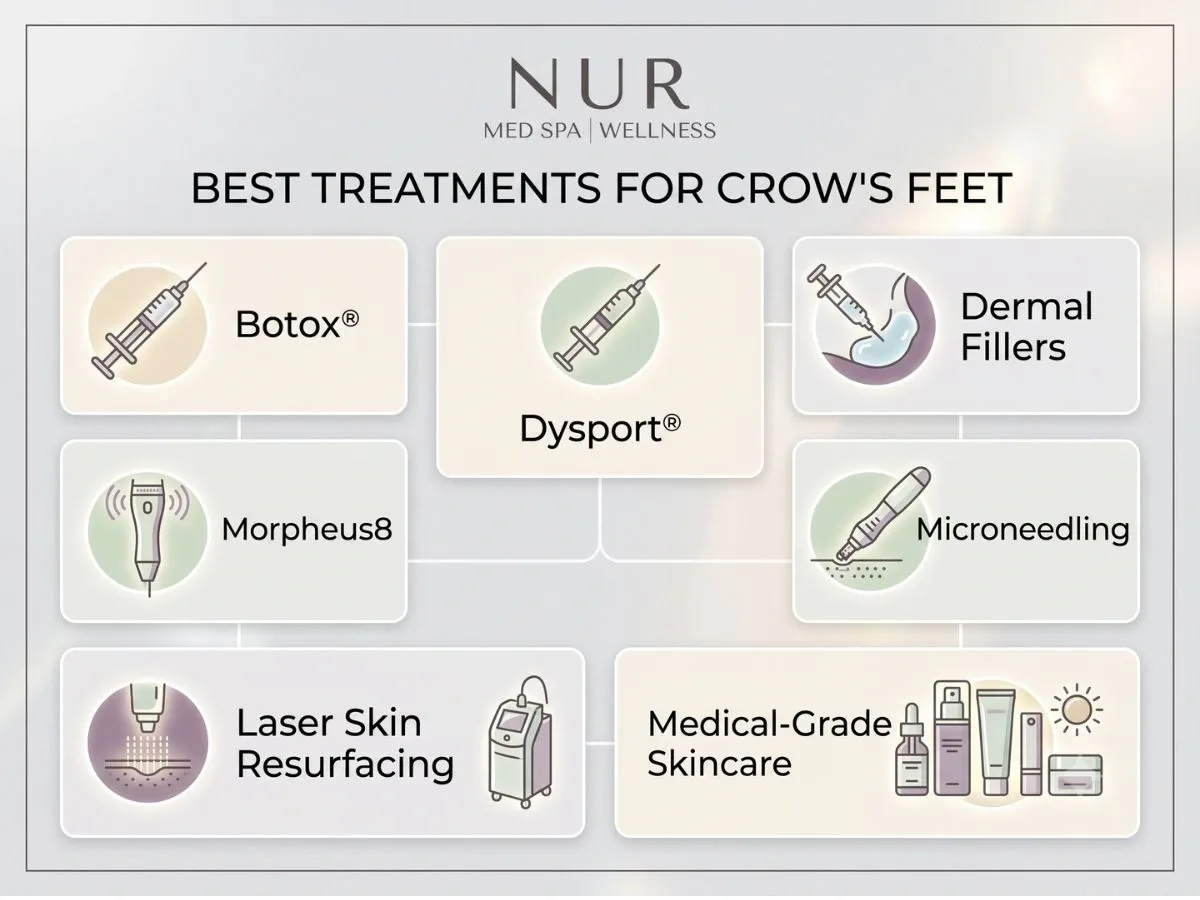
Once crow's feet are visible, treatment options generally fall into two categories. Dynamic lines caused by muscle movement respond best to neuromodulator injections. Static lines and overall skin texture respond better to treatments that rebuild volume or stimulate collagen, like fillers, lasers, and peels. Many patients get the best results from combining approaches rather than relying on just one.
Botox® for Crow's Feet
Botox® is one of the most effective treatments for dynamic crow's feet. It works by temporarily relaxing the orbicularis oculi muscle, reducing the repetitive contractions that create wrinkles during smiling and squinting. Botox was the first neuromodulator to receive FDA approval specifically for treating crow's feet, back in 2013, and clinical trials since then have confirmed how well it works. Treatment takes about 10 to 20 minutes with minimal downtime, and most patients begin seeing results within 3 to 7 days, with full results appearing after about two weeks. Results typically last 3 to 4 months, and regular maintenance treatments help keep wrinkles softened while preventing deeper lines from forming. Botox® treatment is an excellent option for patients with mild to moderate dynamic wrinkles who want natural-looking facial expressions.
Dysport® for Crow's Feet
Dysport® is another FDA-approved neuromodulator that treats crow's feet by relaxing the muscles responsible for expression lines. Like Botox®, it reduces dynamic wrinkles while preserving natural movement when administered correctly. Some patients notice results slightly sooner with Dysport® treatment, and its wider diffusion may make it a preferred choice for treating larger treatment areas in appropriate candidates.
Dermal Fillers
Dermal fillers are not typically the first treatment for crow's feet because the skin around the eyes is delicate and requires precise product selection and placement. However, dermal filler treatments may be appropriate when volume loss around the temples or upper cheeks contributes to the appearance of wrinkles near the eyes. In some cases, combining fillers with neuromodulators creates a more balanced facial rejuvenation by addressing both muscle movement and age-related volume loss.
Morpheus8
Morpheus8 combines microneedling with radiofrequency energy to stimulate collagen remodeling deep within the skin. Getting Morpheus8 treatment improves skin firmness, texture, and fine lines, making it an excellent option for patients with early to moderate static crow's feet who want gradual, natural-looking skin rejuvenation. Results continue to improve over several months as new collagen develops.
Microneedling
Microneedling stimulates your body's natural collagen and elastin production by creating controlled micro-injuries in the skin. As new collagen forms, skin texture improves and fine lines around the eyes gradually become less noticeable. Most patients achieve the best results with a series of microneedling treatments spaced several weeks apart, followed by maintenance sessions based on their skin's needs.
Laser Skin Resurfacing
Fractional laser skin resurfacing improves crow's feet by stimulating collagen production while resurfacing damaged skin. Treatments like IPL can reduce fine lines, improve skin texture, and address sun damage that contributes to premature aging. Recovery varies depending on the type and intensity of the laser used, ranging from a few days to a couple of weeks.
Medical-Grade Skincare
Medical-grade skincare helps maintain treatment results and supports healthier skin over time. Products containing retinoids encourage collagen production, antioxidants such as vitamin C defend against environmental damage, peptides support skin repair, and growth factors may promote skin renewal. I often recommend a personalized medical-grade skincare regimen alongside in-office treatments to help patients preserve smoother, healthier-looking skin between visits.
What Happens During a Crow's Feet Consultation?
Your crow's feet consultation NUR Med Spa is designed to determine the cause of your wrinkles and identify the treatment that will provide the most natural-looking results. During your visit, we assess your facial anatomy, muscle movement, skin quality, and overall facial balance rather than focusing only on the lines around your eyes.
First, we'll discuss your medical history, current medications, previous cosmetic treatments, and your aesthetic goals. We will then examine your skin at rest and while you smile or squint to determine whether your crow's feet are primarily dynamic wrinkles, static wrinkles, or a combination of both.
Based on this assessment, we will recommend a personalized treatment plan that may include Botox®, Dysport®, dermal fillers, Morpheus8, Microneedling, or a combination of treatments. We'll also discuss the expected results, how long they typically last, the number of treatments you may need, potential side effects, aftercare instructions, and any complementary skincare products that can help maintain your results.
Our goal during every consultation is to create a treatment plan that enhances your natural appearance, preserves facial expression, and helps you achieve refreshed, balanced results that align with your aesthetic goals.
Choose The NUR Med Spa for Crow's Feet Treatment
Crow's feet are a natural part of aging, but they don't have to define how you feel about your appearance. Understanding what causes these fine lines, whether it's repeated facial expressions, collagen loss, sun exposure, or lifestyle factors, is the first step toward choosing the right treatment. From preventive skincare and daily sun protection to Botox®, Dysport®, Microneedling, Morpheus8, and dermal fillers, there are effective options to soften crow's feet while maintaining natural facial expressions.
At NUR Med Spa & Wellness, my team and I create custom treatment plans based on your skin, your muscle activity, and your goals. If you are dealing with more than just crow's feet, take a look at our full approach to fine lines and aging skin treatments to see how we address concerns from forehead lines to skin laxity.
Ready to get started? Contact us today to book your personalized consultation at Lake Nona or Altamonte Springs location and find out which combination of treatments will work best for you.
Frequently Asked Questions about Crow’s Feet
What is the main cause of crow's feet?
The main cause is the combination of repetitive facial movements and the natural loss of collagen. Every time you smile, laugh, or squint, the orbicularis oculi muscle around your eye contracts, folding the skin. As we age and naturally lose the structural collagen and elastin that give our skin its "snap," these temporary expression lines eventually settle into permanent creases.
What do crows' feet indicate?
Biologically, they simply indicate that the delicate, ultra-thin skin around your eyes is experiencing a natural reduction in collagen, elastin, and subcutaneous fat as you age. On a human level, I always tell my patients that crow's feet indicate a life rich in expression, joy, and laughter. They are a beautiful sign that you have lived, smiled, and connected with others.
How can you get rid of crow's feet?
The fastest and most effective way to visibly smooth out existing crow's feet is with targeted in-office treatments. Neuromodulators like Botox or Dysport yield the quickest results by gently relaxing the muscle responsible for the wrinkles. For lines that are deeply etched even when your face is relaxed, we achieve excellent results by pairing injectables with advanced skin resurfacing treatments like microneedling or medical-grade chemical peels to rebuild your skin's natural collagen.
Can you reverse crow's feet without Botox?
Yes, you can absolutely soften and improve their appearance without neuromodulators, though the process takes more time and patience. To address them without injections, we focus heavily on stimulating new collagen from within. In our clinic, I recommend treatments like microneedling or laser resurfacing alongside a dedicated at-home regimen featuring medical-grade retinoids and growth factors to gradually thicken and smooth the skin texture.
Do eye creams help crow's feet?
Over-the-counter moisturizers will temporarily plump the skin with hydration, making fine lines look less noticeable for a few hours, but they cannot reverse structural wrinkles. However, medical-grade eye creams containing clinically proven active ingredients such as encapsulated retinol, peptides, and targeted antioxidants, absolutely do help. They work on a cellular level to speed up cell turnover and support new collagen production, making them an essential part of maintaining your in-office treatment results.
Disclaimer: This blog is for general informational purposes only and is not medical advice. Always consult a licensed healthcare professional before starting any treatment or procedure. Do not rely solely on this content for medical decisions. We are not responsible for any actions taken based on the information provided.

Written By
Dr. Saima Rafiq, D.O.
Top Aesthetic Injector, Osteopathic Physician

Dr. Saima Rafiq, D.O., Co-Founder and Medical Director of NUR Med Spa, brings over a decade of medical expertise to the world of aesthetics and wellness. Board-certified in internal medicine and a graduate of Nova Southeastern University.
14+
Years in aesthetic
200+
Clinic clients served
Get in Touch
We're here to help you look and feel your best. Send us a message and our team will respond promptly.
Learn More Before Your Treatment
Explore our expert resources to learn what to expect, how to prepare, and how to support your results with proper aftercare.

BHRT vs HRT: What’s the Difference, and Which Is Better?
Hot flashes, poor sleep, mood changes, and low energy can make everyday life difficult. If you’re experiencing these symptoms, you may be wondering whether hormone therapy could help. But when researching BHRT vs HRT, how do you know the difference, and which option is right for you?

Why Am I Always Tired? 6 Common Reasons for Low Energy
If you've been wondering, “why do I have no energy?”, you're not imagining how frustrating it can be. You may get through your morning with coffee, feel sleepy again by afternoon, and still wonder “why am I always tired?” even though you think you're doing everything right.

IPL vs. Laser Treatment: Which Is Right for Your Skin?
IPL and laser treatment both use light energy to treat skin concerns, but they work differently and produce different results. IPL (Intense Pulsed Light) emits multiple wavelengths of light, while laser devices emit a single, concentrated wavelength. This difference affects treatment precision, skin compatibility, recovery time, and the conditions each technology treats most effectively.
What Are Crow's Feet? Causes, Prevention & Treatment Options
TL;DR: Crow's feet are the fine lines that fan out from the outer corners of your eyes. They come from repeated facial expression (dynamic lines) and from age-related collagen and elastin loss (static lines). Daily sunscreen and retinol can slow their progression, but neuromodulator injections, dermal fillers, laser resurfacing, and chemical peels treat existing lines directly. Most patients get the fastest results from injections, and a combination plan works best for lasting improvement.
How Long Does Botox Last? What to Expect
Botox typically lasts 3 to 4 months for most patients, although the exact timeline varies based on the treatment area, dosage, muscle activity, and individual metabolism. Some areas, such as the masseter muscles, may maintain results for up to 6 months, while treatments like a lip flip usually wear off sooner. First-time patients usually see shorter results than repeat patients do.
Lip Filler Swelling Stages: What Your Lips Really Look Like While Healing
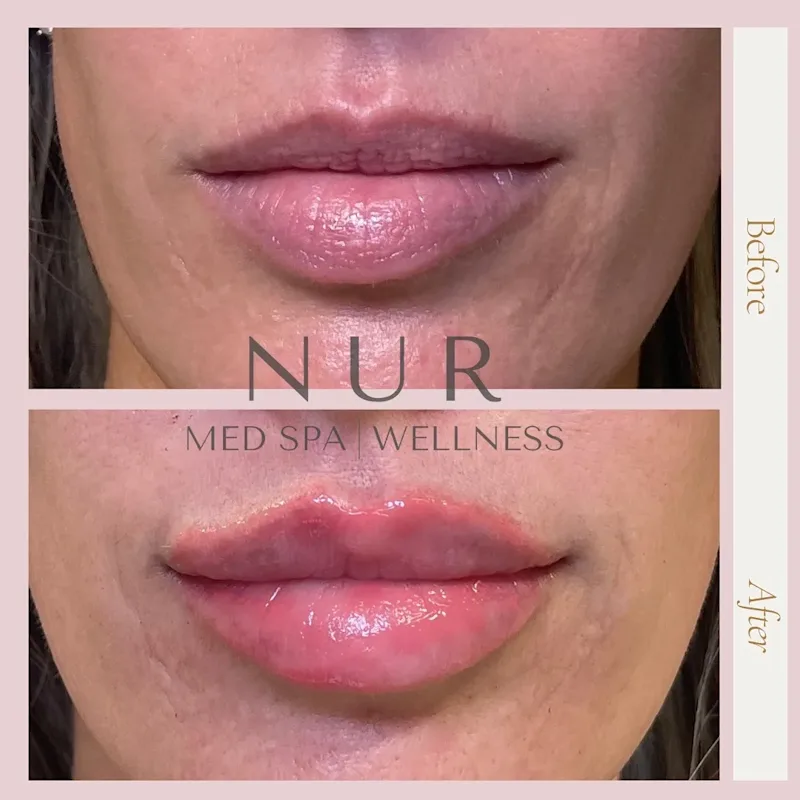
If your lips look overly swollen right after filler, don’t worry. That’s usually part of the process. The truth is, the lip filler swelling stages can be an emotional rollercoaster, especially during the first few days when swelling, tightness, and unevenness are at their peak. Many people think something went wrong before their lips even have time to heal properly.
What Is a Medical Spa: Treatments, Costs & What to Expect
A medical spa, or med spa, is a licensed medical facility that combines the relaxing environment of a traditional spa with physician-supervised aesthetic treatments. Unlike a day spa, a med spa is classified as a medical practice. It offers non-surgical procedures that go beyond the skin's surface, including injectables, laser treatments, skin tightening, body contouring, and medical-grade skincare, all performed or overseen by a licensed healthcare provider.
Facial Balancing with Dermal Fillers: Why It’s the Secret to Natural Results
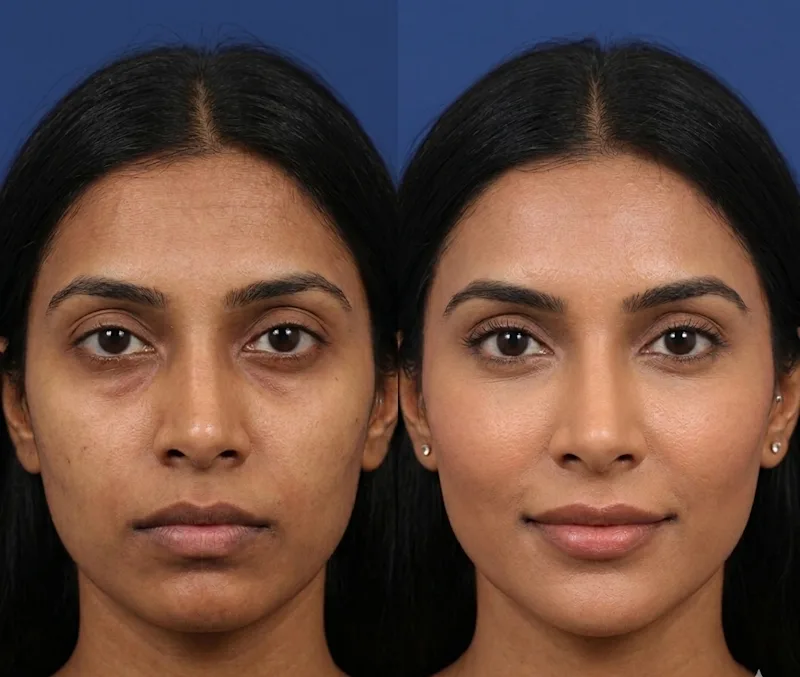
You can enhance your lips, define your jawline, or add volume to your cheeks and still feel like something isn’t quite right. That’s exactly why facial balancing with dermal fillers has become the secret behind the most natural-looking results. It’s not more filler, it’s smarter placement.
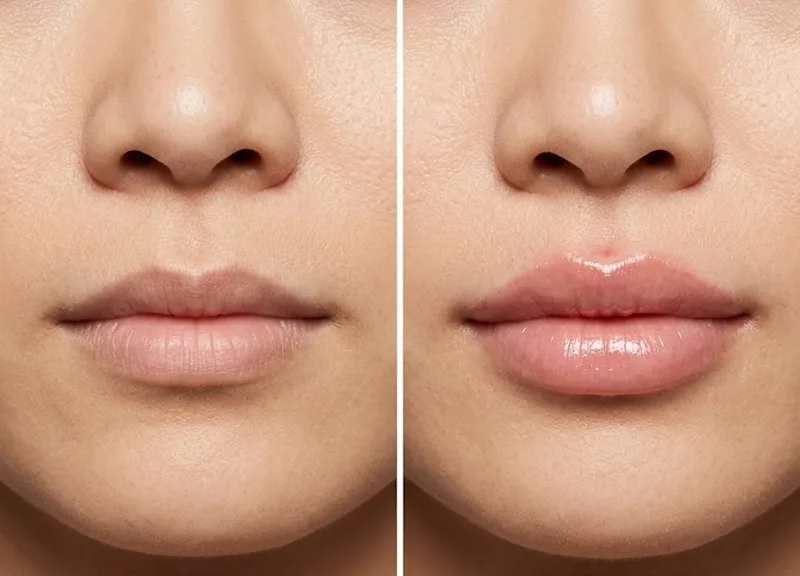
Lip Flip vs Filler: Which One Is Actually Right for You?
If you’ve been researching lip flip vs filler, you’ve probably noticed how confusing it gets. Both promise better-looking lips, but they work in completely different ways.
CONFIDENCE AWAITS
Not Sure Which MedSpa Service You Need?
Explore personalized aesthetic solutions created to
address your skin goals and help you feel
confident in your natural beauty.Explore personalized aesthetic solutions created to address your skin goals and help you feel confident in your natural beauty.