
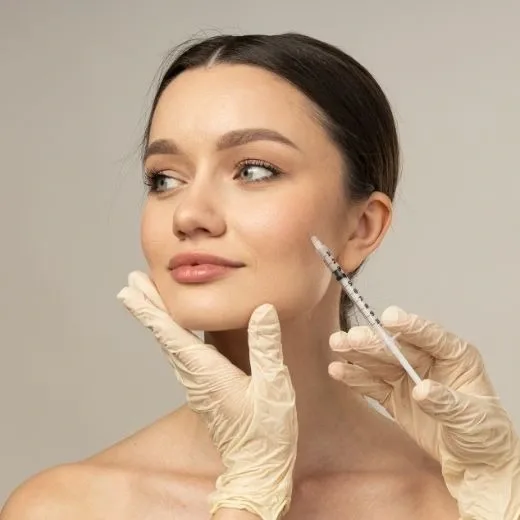
How Long Does Botox Last? What to Expect
Author: Dr. Saima Rafiq
Updated on June 26, 2026
Summarize this blog post with:
Botox typically lasts 3 to 4 months for most patients, although the exact timeline varies based on the treatment area, dosage, muscle activity, and individual metabolism. Some areas, such as the masseter muscles, may maintain results for up to 6 months, while treatments like a lip flip usually wear off sooner. First-time patients usually see shorter results than repeat patients do.
If you're considering getting Botox in Orlando or wondering when it's time for your next appointment, understanding how long results last can help you set realistic expectations and plan your maintenance schedule with confidence.
As Medical Director of The NUR Med Spa, I've helped countless patients navigate their Botox journey with confidence. In this guide, I break down how long Botox lasts, what influences your results, and when to schedule maintenance treatments to keep your results looking their best.
How Long Does Botox Last on Average?
Most patients can expect their Botox results to last 3 to 4 months before muscle movement starts returning. This is the timeline cited across plastic surgery and medical sources, which generally agree that Botox lasts 3 to 4 months for most patients, though results can range from 2 months on the shorter end to 6 months on the longer end.
It also takes time to see your full results in the first place. Most patients notice initial changes within days of treatment, with full effects visible within about two weeks. That's why providers usually ask you to wait two weeks before judging your results or booking a touch-up.
Worth knowing: Botox used for medical reasons, like migraines or excessive sweating, sometimes follows a different timeline than cosmetic Botox. When used for medical purposes, the effects tend to wear off faster, often lasting two to three months instead of the longer cosmetic range.
How Long Does Botox Last in Different Areas of the Face?
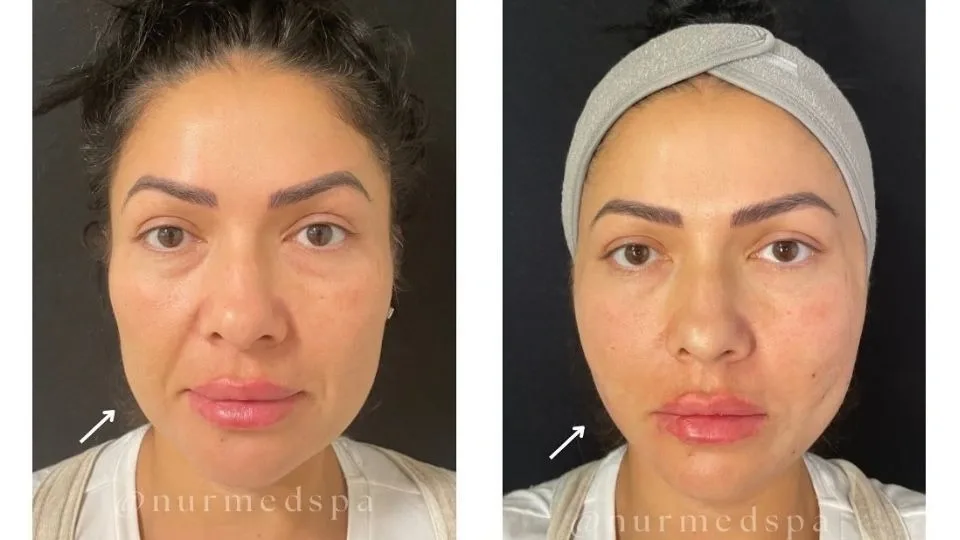
Botox doesn't wear off at the same rate everywhere. Muscles that move constantly tend to break the product down faster than muscles that stay relatively still, so duration depends heavily on where you're treated. and how many units of Botox are used for each area.
How Long Does Forehead Botox Last?
Forehead Botox typically lasts 3 to 4 months. The forehead muscle is used in almost every facial expression, from raised eyebrows to surprise, which speeds up how quickly results fade here. Higher doses, a slower metabolism, and less frequent facial movement all tend to stretch results closer to the 4-month mark. Most patients rebook around the 3-month mark, before the lines start reappearing with movement.
How Long Does Botox Last for Crow's Feet?
Crow's feet Botox lasts about 3 to 4 months, similar to the forehead. Smiling and squinting keep this muscle active throughout the day, so frequent expression and sun exposure (which causes squinting) can shorten results. Wearing sunglasses outdoors and staying consistent with treatments helps maintain smoother results for longer. Most patients rebook every 3 to 4 months, often pairing this area with forehead or frown line treatments for a full upper-face refresh.
How Long Does Botox Last Between the Eyebrows?
Botox between the eyebrows, often called the "11s," tends to last 3 to 5 months, slightly longer than the forehead and crow's feet. These muscles are strong, but they're used less constantly than the forehead, which is part of why results last a bit longer here. Dose and injection precision matter too, since this is one of the more commonly over- or under-dosed areas. Plan to rebook around the 4-month mark, adjusting earlier if you notice movement returning sooner.
How Long Does Lip Flip Botox Last?
A lip flip is the shortest-lasting Botox treatment, typically fading within 6 to 8 weeks. The muscles around the mouth are in near-constant motion from talking, eating, and smiling, which wears down results faster than almost any other area. This constant use is why Botox in the lower face or lip flip area is notoriously short-lived. Most patients return every 6 to 8 weeks to maintain the effect, which is worth factoring into your budget and schedule before starting.
How Long Does Masseter Botox Last?
Masseter Botox lasts the longest of any treatment area, typically 4 to 6 months. This is because the jaw muscle gradually shrinks with repeated treatment, which is also why this area is popular for jaw slimming and teeth-grinding relief, not just cosmetic goals. Muscle strength varies a lot here, so people with naturally larger or more active jaw muscles may need higher doses to reach the longer end of that range. Most patients only need to return every 4 to 6 months, making this one of the lower-maintenance treatment areas.
How Long Does Chin Botox Last?
Chin Botox typically lasts 3 to 4 months. This treatment targets the mentalis muscle, which causes dimpling or an "orange peel" texture when overactive, and by the third or fourth month, muscle contractions slowly return, causing some recurrence of dimpling. Faster metabolisms tend to shorten that window, and injection precision matters more here than in larger areas, since the mentalis is a small, delicate muscle. Many providers recommend scheduling follow-up treatments every three to four months to prevent dimpling from becoming noticeable again.
How Long Does Neck Botox Last?
Neck Botox, often called a Nefertiti Lift, typically lasts 3 to 4 months. This treatment targets the platysma muscle to soften vertical neck bands and define the jawline, and longevity depends on individual factors like metabolism, muscle strength, and lifestyle, with some patients seeing results extend toward 6 months as the muscle responds to repeated treatment. Keeping follow-up appointments every three to four months helps maintain a consistently smooth, youthful neck rather than waiting for bands to fully reappear.
Why Does Botox Wear Off Faster for Some People?
Several lifestyle and biological factors influence how quickly Botox breaks down, with metabolism, muscle strength, and activity level playing the biggest roles. People with faster metabolisms, larger muscle mass, or high activity levels tend to see results fade sooner than those with slower metabolisms and less muscle movement in the treated area.
Metabolism is the biggest piece of this. People with a higher metabolic rate often process the injected toxin faster, which shortens how long results last. This is partly why athletes and highly active people sometimes need more frequent appointments.
Exercise plays a role too, though maybe not as dramatically as some patients assume. Intense physical activity can speed up Botox breakdown slightly, but moderate exercise and an active lifestyle don't cancel out results entirely. The bigger concern is consistent high-intensity training, not your regular workout routine.
Stress is a less obvious factor. People under high stress often clench their jaw or scowl without realizing it, and that constant micro-movement can wear down Botox faster in those areas.
Other contributors include sun exposure, smoking, and simply having stronger facial muscles to begin with. None of these guarantee a shorter result on their own, but together they explain why two patients with the same dose can have noticeably different timelines.
Does Botox Last Longer With Repeat Treatments?
Yes, Botox tends to last longer the more consistently you get treated. First-time patients often see shorter results because their muscles haven't been conditioned yet. With repeated treatments, those muscles gradually weaken, which stretches out the time between appointments.
It's common for first-timers to experience shorter results, followed by longer-lasting results after a second treatment, since muscles are still strong and active during early treatments, but tend to weaken with continued, regular sessions. If your first round of Botox didn't last as long as you hoped, that's normal, not a sign that something went wrong
How to Make Your Botox Last Longer
While you can't completely control your metabolism, a few habits genuinely help stretch your results:
Stay consistent with appointments. Booking before results fully wear off helps keep treated muscles conditioned, which supports longer-lasting effects over time.
Protect your skin from sun exposure. UV exposure can speed up skin aging and shorten how fresh your results look, protect your skin from summer sun damage. .
Stay hydrated. Well-hydrated skin tends to hold results more smoothly.
Work with an experienced injector. Precise placement and the right dose for your muscle strength make a real difference in how long results hold. At NUR Med Spa, treatments are guided by Dr. Saima Rafiq, our Medical Director, and performed by board-certified nurse practitioners who customize dosing based on your facial anatomy rather than a one-size-fits-all approach.
If you're already a patient, our Botox aftercare guide covers the do's and don'ts in the first 24 to 48 hours, which also plays a role in how smooth and long-lasting your results turn out.
What are the Signs Botox Is Wearing Off?
Botox doesn't fade all at once. Results loosen gradually, and most patients notice a few telltale signs before any wrinkles or muscle movement fully return. Here's what to watch for:
Slight movement returning to the treated muscle: You might notice a little more motion when you raise your eyebrows, squint, or frown than you did right after treatment.
Faint lines reappearing at rest: Fine lines may start showing up even when your face is relaxed, especially in areas like the forehead or between the brows.
Expressions feeling more "active" than usual: Some patients describe this as their face feeling like it's "waking up" or working harder than it has in a few months.
Asymmetry becoming more noticeable: Since Botox doesn't always wear off evenly, one side of the face may show movement before the other.
Treated area requiring more effort to stay smooth: For areas like the jaw or chin, you might notice slightly more tension or movement when chewing or talking.
Results from area-specific treatments fading at different rates: For example, a lip flip may wear off weeks before forehead or masseter Botox, since duration varies by area.
When Should You Schedule Your Next Botox Appointment?
Most patients should book their next Botox appointment around the 3-month mark, before results fully wear off rather than after. Waiting until muscles fully reactivate means starting from scratch each time, while staying ahead of the fade helps maintain smoother, more consistent results.
A good rule of thumb: if you notice the very first signs of movement returning, that's the window to schedule, not a reason to panic. Many patients find it easiest to book their next visit before they even leave their current appointment, so there's no gap in their results.
If you're beginning to notice your Botox wearing off, schedule a Botox consultation with NUR Med Spa to maintain consistent, natural-looking results.
Maintain Long-Lasting Botox Results at The NUR Med Spa
Botox typically lasts 3 to 4 months, but the real answer depends on the treatment area, your dose, and factors like metabolism and activity level. Areas like the jaw tend to hold results longer, while expressive areas like the lips fade faster. The good news is that consistent treatment with a skilled injector tends to stretch results out over time, not shorten them.
At NUR Med Spa, our experienced providers customize every Botox treatment based on your facial anatomy, aesthetic goals, and desired level of correction. Whether you are considering Botox for the first time or maintaining your current results, we provide individualized care designed to help you look refreshed and confident.
Ready to find out what timeline makes sense for your face and goals? Visit our medical spa located in Lake Nona, Orlando for a personalized treatment plan.
FAQs: How Long Does Botox Lasts in Average
When does Botox peak and start to fade?
Botox typically peaks around day 10 to 14 after injection, once the toxin has fully bound to nerve endings and muscle relaxation reaches its maximum effect. Most patients notice the earliest signs of fading; slight movement returning around the 10-to-12-week mark, with full results gone by month 3 to 4 depending on treatment area and individual metabolism.
Botox vs Dysport vs Xeomin: which lasts the longest?
All three neurotoxins last roughly the same overall duration 3 to 4 months for most patients, though subtle differences exist in onset and spread. Dysport tends to kick in faster (2-3 days) and diffuses slightly more, making it popular for larger areas like the forehead, while Xeomin contains no accessory proteins, making it a good option for patients who've developed resistance to Botox. Botox has the longest clinical track record and most predictable dosing, but no single product reliably outlasts the others by a meaningful margin.
How long does Botox last for men compared to women?
Botox often metabolizes faster in men due to greater muscle mass and density, particularly in areas like the forehead and masseter, meaning men may need slightly higher doses or more frequent appointments to achieve the same duration as women. This is why "bro-tox" treatments frequently use 10-20% more units per area than standard female dosing protocols, even though the underlying 3-to-4-month timeline still applies once properly dosed.
What does Botox look like after 10 years?
Botox doesn't accumulate or cause permanent changes after 10 years of consistent use—each treatment fully metabolizes within 3 to 6 months, leaving no lasting toxin in your system between sessions. Patients who've maintained treatment for a decade often show fewer deep-set, etched wrinkles than those who never started, since preventing repeated muscle contraction slows permanent line formation. Many long-term patients also notice their muscles have weakened over time, meaning results last longer and require lower maintenance doses than when they first began.
What helps Botox last longer?
Staying consistent with treatments every 3 to 4 months conditions the muscle to weaken over time, which is the single biggest factor in extending how long results hold. Protecting skin from sun exposure, staying hydrated, avoiding intense high-activity workouts in the days following treatment, and working with an experienced injector who places product precisely all help stretch results toward the longer end of the 3-to-6-month range rather than the shorter end.
What is the best age to start getting Botox?
There's no universal "best age" for starting Botox, since timing depends on when dynamic lines (wrinkles that appear with expression) begin forming rather than hitting a specific birthday. Most patients start in their late 20s to early 30s as a preventative measure, while others wait until static lines are visible at rest in their late 30s or 40s—either approach is safe, though starting earlier with lower preventative doses tends to slow permanent line formation over the years that follow.
What is the rule of 3 in Botox?
The rule of 3 refers to waiting at least 3 hours before lying down after treatment, avoiding strenuous exercise for 3 days, and waiting a minimum of 3 months between sessions to prevent muscle resistance. This 3-month spacing is also why most patients naturally settle into a quarterly rebooking pattern; it's long enough to let the previous treatment fully run its course, but soon enough to stay ahead of lines reappearing.
Disclaimer: This blog is for general informational purposes only and is not medical advice. Always consult a licensed healthcare professional before starting any treatment or procedure. Do not rely solely on this content for medical decisions. We are not responsible for any actions taken based on the information provided.

Written By
Dr. Saima Rafiq, D.O.
Top Aesthetic Injector, Osteopathic Physician

Dr. Saima Rafiq, D.O., Co-Founder and Medical Director of NUR Med Spa, brings over a decade of medical expertise to the world of aesthetics and wellness. Board-certified in internal medicine and a graduate of Nova Southeastern University.
14+
Years in aesthetic
200+
Clinic clients served
Get in Touch
We're here to help you look and feel your best. Send us a message and our team will respond promptly.
Learn More Before Your Treatment
Explore our expert resources to learn what to expect, how to prepare, and how to support your results with proper aftercare.
BHRT vs HRT: What’s the Difference, and Which Is Better?
Hot flashes, poor sleep, mood changes, and low energy can make everyday life difficult. If you’re experiencing these symptoms, you may be wondering whether hormone therapy could help. But when researching BHRT vs HRT, how do you know the difference, and which option is right for you?

Why Am I Always Tired? 6 Common Reasons for Low Energy
If you've been wondering, “why do I have no energy?”, you're not imagining how frustrating it can be. You may get through your morning with coffee, feel sleepy again by afternoon, and still wonder “why am I always tired?” even though you think you're doing everything right.
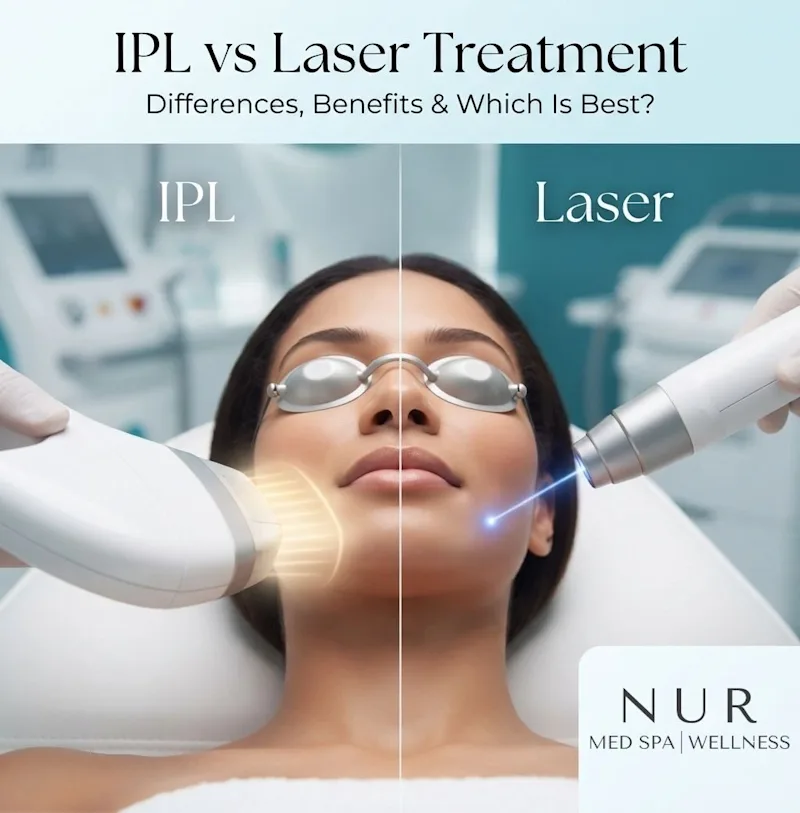
IPL vs. Laser Treatment: Which Is Right for Your Skin?
IPL and laser treatment both use light energy to treat skin concerns, but they work differently and produce different results. IPL (Intense Pulsed Light) emits multiple wavelengths of light, while laser devices emit a single, concentrated wavelength. This difference affects treatment precision, skin compatibility, recovery time, and the conditions each technology treats most effectively.
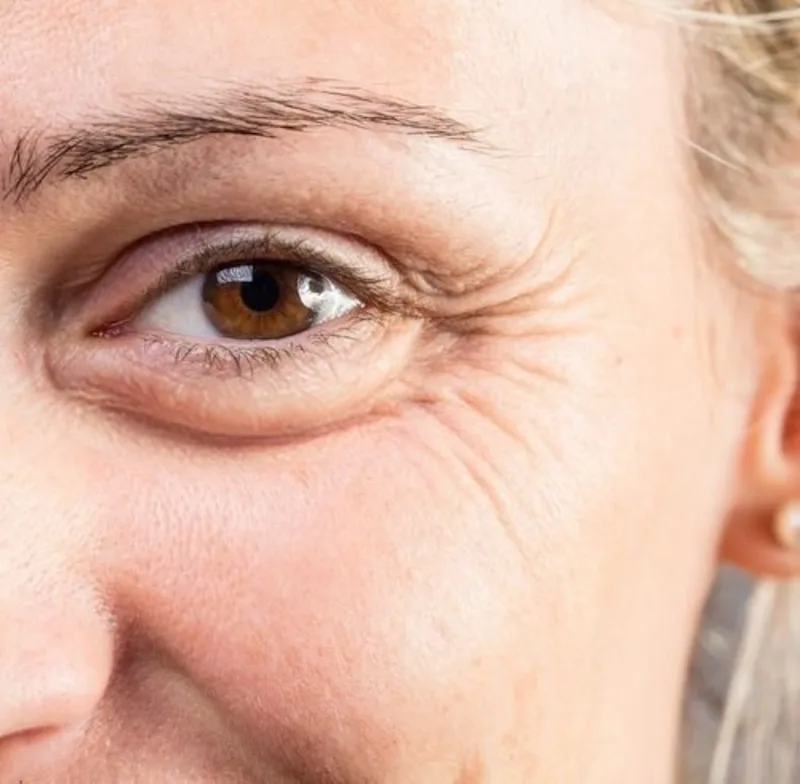
What Are Crow's Feet? Causes, Prevention & Treatment Options
TL;DR: Crow's feet are the fine lines that fan out from the outer corners of your eyes. They come from repeated facial expression (dynamic lines) and from age-related collagen and elastin loss (static lines). Daily sunscreen and retinol can slow their progression, but neuromodulator injections, dermal fillers, laser resurfacing, and chemical peels treat existing lines directly. Most patients get the fastest results from injections, and a combination plan works best for lasting improvement.
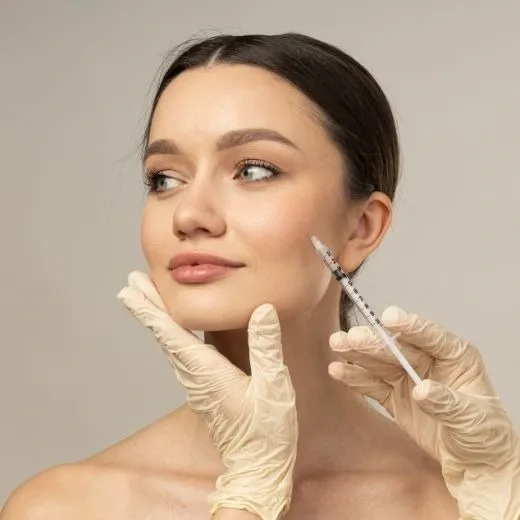
How Long Does Botox Last? What to Expect
Botox typically lasts 3 to 4 months for most patients, although the exact timeline varies based on the treatment area, dosage, muscle activity, and individual metabolism. Some areas, such as the masseter muscles, may maintain results for up to 6 months, while treatments like a lip flip usually wear off sooner. First-time patients usually see shorter results than repeat patients do.
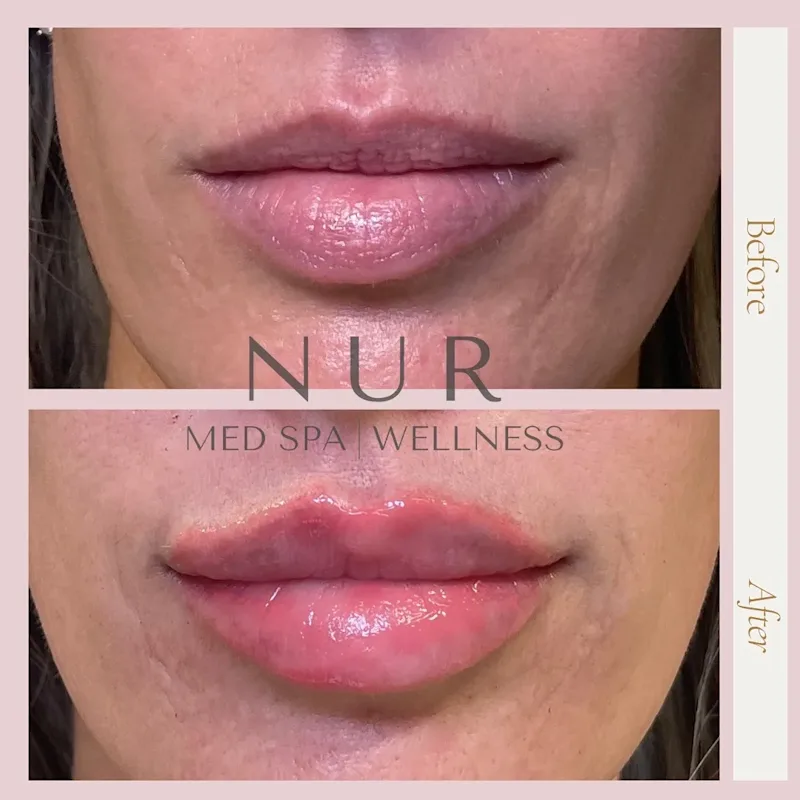
Lip Filler Swelling Stages: What Your Lips Really Look Like While Healing
If your lips look overly swollen right after filler, don’t worry. That’s usually part of the process. The truth is, the lip filler swelling stages can be an emotional rollercoaster, especially during the first few days when swelling, tightness, and unevenness are at their peak. Many people think something went wrong before their lips even have time to heal properly.
What Is a Medical Spa: Treatments, Costs & What to Expect
A medical spa, or med spa, is a licensed medical facility that combines the relaxing environment of a traditional spa with physician-supervised aesthetic treatments. Unlike a day spa, a med spa is classified as a medical practice. It offers non-surgical procedures that go beyond the skin's surface, including injectables, laser treatments, skin tightening, body contouring, and medical-grade skincare, all performed or overseen by a licensed healthcare provider.
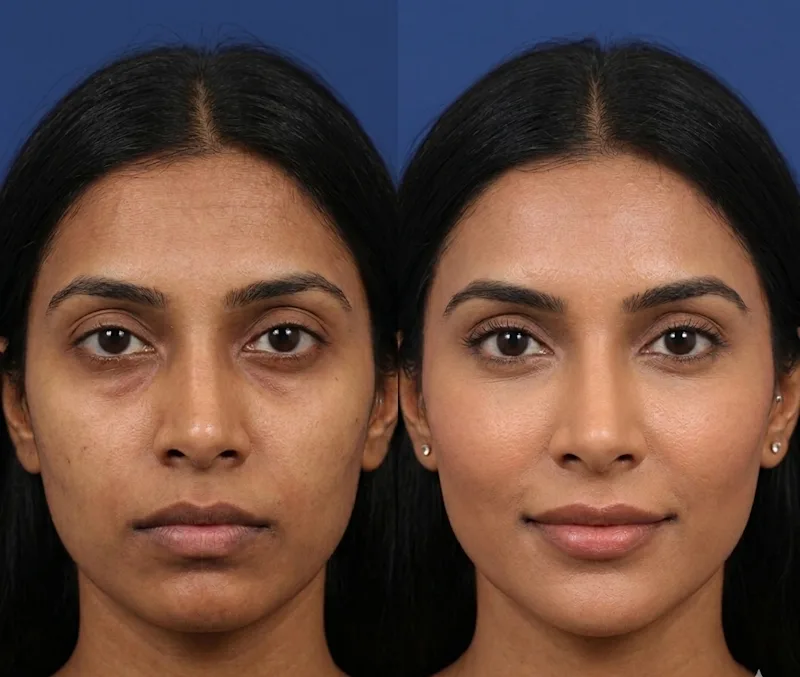
Facial Balancing with Dermal Fillers: Why It’s the Secret to Natural Results
You can enhance your lips, define your jawline, or add volume to your cheeks and still feel like something isn’t quite right. That’s exactly why facial balancing with dermal fillers has become the secret behind the most natural-looking results. It’s not more filler, it’s smarter placement.
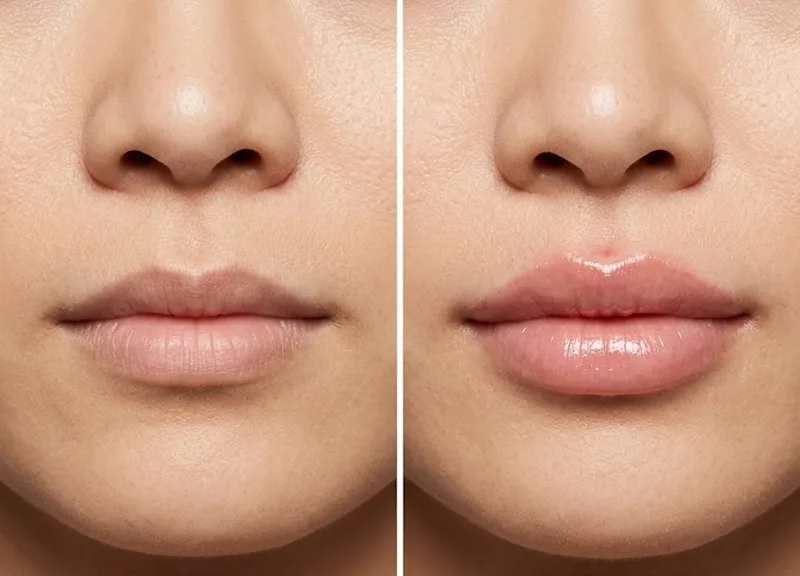
Lip Flip vs Filler: Which One Is Actually Right for You?
If you’ve been researching lip flip vs filler, you’ve probably noticed how confusing it gets. Both promise better-looking lips, but they work in completely different ways.
CONFIDENCE AWAITS
Not Sure Which MedSpa Service You Need?
Explore personalized aesthetic solutions created to
address your skin goals and help you feel
confident in your natural beauty.Explore personalized aesthetic solutions created to address your skin goals and help you feel confident in your natural beauty.