
IPL vs. Laser Treatment: Which Is Right for Your Skin?
Author: Dr. Saima Rafiq
Updated on July 19, 2026
Summarize this blog post with:
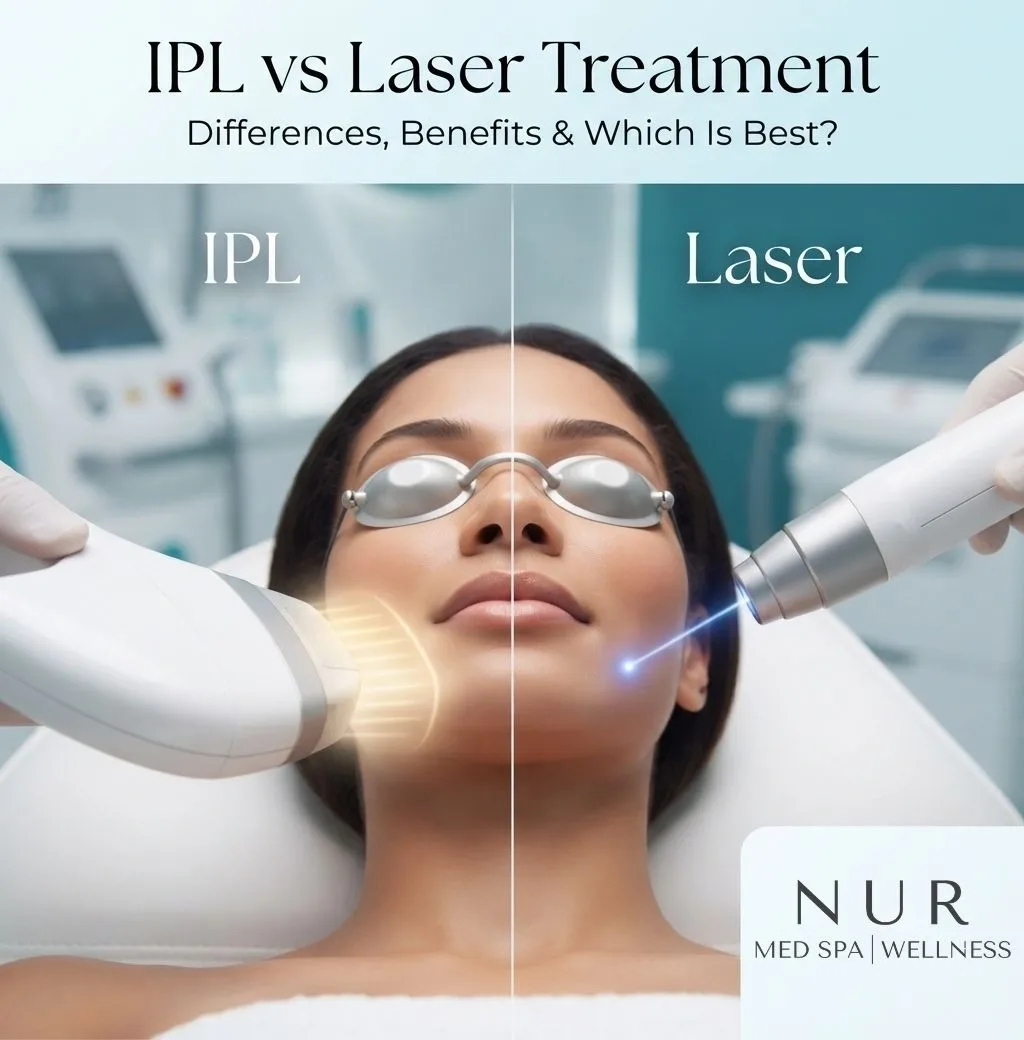
IPL and laser treatment both use light energy to treat skin concerns, but they work differently and produce different results. IPL (Intense Pulsed Light) emits multiple wavelengths of light, while laser devices emit a single, concentrated wavelength. This difference affects treatment precision, skin compatibility, recovery time, and the conditions each technology treats most effectively.
People often compare IPL and laser treatment for hair removal, pigmentation, acne scars, sun damage, rosacea, vascular lesions, and skin rejuvenation. The right choice depends on your skin type, treatment goals, budget, and the specific condition being treated. Some concerns respond well to the broader light spectrum of IPL, while others require the precision of a medical laser.
In this blog, as a medical professional, I will explain how IPL and laser treatments work, compare their benefits and limitations, review effectiveness for common skin concerns, outline costs and potential side effects, and help you determine which treatment best matches your needs. You will also learn how skin type, treatment area, and aftercare influence results and long-term outcomes.
What Is the Difference Between IPL and Laser Treatment?
The main difference between IPL and laser treatment is the type of light they use. IPL (Intense Pulsed Light) delivers a broad spectrum of light wavelengths, while a laser emits a single, concentrated wavelength. This distinction affects treatment precision, depth of penetration, the skin concerns each technology can address, and the results you can expect.
As I explain to my patients, neither treatment is universally better. The most suitable option depends on your skin type, the condition being treated, and your desired outcome. For example, IPL can treat multiple skin concerns during a single session, whereas laser treatment offers greater precision for targeting specific tissues.
What Is IPL (Intense Pulsed Light)?
IPL is a non-invasive light-based treatment that uses multiple wavelengths of high-intensity light to target pigment (melanin) and blood vessels (hemoglobin) beneath the skin. Unlike lasers, IPL is not a single beam of light. Its broad spectrum allows it to treat a wider range of cosmetic concerns in one procedure.
I commonly recommend IPL for patients with:
Sun damage and age spots
Freckles and pigmentation
Facial redness and rosacea
Broken capillaries
Mild acne
Skin rejuvenation
Hair reduction
IPL stimulates collagen production while improving overall skin tone and texture. It generally requires several treatment sessions to achieve optimal results.
What Is Laser Treatment?
Laser treatment uses a single wavelength of highly focused light to target a specific chromophore, such as melanin, hemoglobin, or water within the skin. Because the energy is concentrated, laser treatments offer greater precision and can penetrate to different depths depending on the device used.
I may recommend laser treatment for:
Long-term hair removal
Deep pigmentation
Acne scars
Wrinkles and skin resurfacing
Tattoo removal
Vascular lesions
Certain benign skin lesions
Different laser systems, including Alexandrite, Diode, Nd:YAG, Fractional CO₂, and Er:YAG lasers, are designed to treat different skin conditions and skin types.
How Does IPL Work?
IPL delivers pulses of broad-spectrum light into the skin. The target pigment or blood vessels absorb the light energy, which converts to heat and selectively damages the intended tissue while minimizing injury to surrounding skin. The body then naturally removes the treated pigment or damaged vessels over time. Because IPL uses multiple wavelengths, it can address several skin concerns during the same treatment session.
How Do Laser Treatments Work?
Laser devices produce a single wavelength of light that is absorbed by a specific target in the skin. This process, known as selective photothermolysis, allows the laser to deliver controlled heat with high precision. Depending on the laser type, the energy can destroy hair follicles, break down excess pigment, seal abnormal blood vessels, or stimulate collagen remodeling. This targeted approach often makes laser treatment the preferred choice for conditions requiring greater accuracy.
IPL vs Laser: Key Differences at a Glance
Feature | IPL | Laser Treatment |
Light source | Broad-spectrum light | Single wavelength |
Precision | Moderate | High |
Treatment approach | Treats multiple concerns simultaneously | Targets a specific concern precisely |
Penetration depth | More superficial | Adjustable based on laser type |
Best for | Pigmentation, redness, photorejuvenation, mild hair reduction | Hair removal, scars, resurfacing, tattoo removal, vascular lesions |
Skin type suitability | Best for lighter skin tones in many cases | Multiple laser options suit a wider range of skin types |
IPL vs Laser for Hair Removal: Which Actually Works Better?
For hair removal specifically, lasers usually come out ahead. Its focused wavelength targets the pigment inside the hair follicle more precisely than IPL's scattered light, which typically means fewer sessions and more predictable, longer-lasting hair reduction, especially on coarse or dark hair.
The timeline backs this up. IPL hair removal generally needs four to six sessions over twelve to sixteen weeks to show significant results, while laser hair removal tends to show results faster, often within three to four sessions. Some clinics skip IPL for hair removal altogether for this reason. Many providers use true medical laser instead of IPL specifically because it gives more predictable long-term hair reduction and is safer across a wider range of skin types, reserving IPL for other skin concerns like redness or pigmentation.
If unwanted hair is your main concern, laser hair removal is generally the more efficient starting point, particularly if you have coarser or darker hair.
IPL vs Laser for Pigmentation, Redness, and Sun Damage
Flip the concern to pigmentation, redness, or sun damage, and the answer flips too. IPL is often the smarter first step here, especially for surface-level tone issues and diffuse redness. IPL tends to suit patients with sun damage, uneven skin tone, visible redness, and certain forms of hyperpigmentation, while patients dealing with rosacea-related redness may also find it useful as part of their plan.
Lasers tend to take over when the pigmentation is deeper or more stubborn. Patients generally need four to six sessions of IPL for optimal pigmentation results, while comparable laser treatments may need only two to four, and for dark spots specifically, laser is typically the more effective option. For discoloration that hasn't responded to lighter treatments, a more targeted laser like a fractional device is often the next step. Fractional laser technology can address pigmentation more aggressively than IPL and suits patients whose discoloration has proven resistant to lighter treatments.
At NUR, Lumecca IPL in Orlando is our go-to for sun damage, redness, and overall tone, and it pairs well with a broader plan for stubborn dark spots removal when needed.
Cost, Sessions & Downtime: IPL vs Laser
Budget and recovery time are usually the deciding factors once effectiveness is settled. Here's how the two generally compare:
IPL | Laser | |
Cost per session | $150–$500 | $200–$800 |
Full course cost | $1,500–$3,000+ | $1,200–$6,000 |
Typical sessions | 4–8 | 3–6 |
Downtime | Minimal | Minimal to several days, depending on intensity |
Which Skin Tones Are Best Suited for Each Treatment?
Skin tone matters more here than almost anywhere else in aesthetics, because both treatments work by targeting melanin, the pigment in skin and hair. Too little contrast between the device's target and the surrounding skin, and results suffer or risk goes up.
Skin types I through III (fair to medium) are generally the most straightforward candidates for both IPL and traditional laser treatments targeting pigmentation, while skin types IV through VI require more nuance, since higher melanin content in the surrounding skin means devices must be calibrated carefully to avoid post-inflammatory hyperpigmentation. This isn't a reason to skip treatment if you have deeper skin. It's a reason to work with a provider trained in adjusting settings for your specific tone.
For hair removal, the same logic applies in reverse. Laser is effective for black or dark brown hair across a broader range of skin tones, while IPL works best on light to medium skin types paired with dark hair. Neither IPL nor laser works well on very light, gray, red, or white hair, since there isn't enough pigment for either device to target.
Can You Combine IPL and Laser Treatments?
In many cases, yes, and combining IPL and laser treatments often outperforms using either one alone. IPL is frequently paired with other treatments in the same series, such as a skin-tightening laser for texture, since a comprehensive skin rejuvenation plan almost always outperforms any single modality used in isolation.
A common sequence looks like IPL to even out tone and calm redness, followed by a resurfacing or tightening treatment to address texture and firmness. If aging skin and fine lines are part of what's bothering you alongside tone, it's worth discussing a combined plan for fine lines and aging skin at your consultation rather than picking one treatment in isolation.
How to Choose Between IPL and Laser Treatment
There is no single treatment that is best for everyone. Because IPL and lasers target different concerns, the decision ultimately comes down to your unique skin goals, tone, and lifestyle.
Consider the following factors when weighing your options:
Your Primary Skin Concerns:
Choose IPL if your main goals are clearing up sun spots, freckles, broken capillaries, or generalized facial redness and rosacea.
Choose a Laser if you are looking to smooth out deep-set fine lines, improve stubborn acne scars, tighten lax skin, or completely resurface rough skin texture.
Your Skin Tone and Phototype: Because light- and laser-based devices interact directly with skin pigment (melanin), your unique skin type dictates which technology is safest and most effective for you. A professional evaluation ensures you avoid hyperpigmentation risks.
Your Lifestyle and Downtime: While both options generally offer minimal recovery compared to surgical procedures, IPL typically results in a few days of temporary darkening and flaking of surface spots. Deeper lasers may require a slightly more structured downtime depending on the intensity of the treatment.
Your Long-Term Plan: Many patients achieve their best results by combining treatments or phasing them over time; for instance, clearing surface pigment with IPL first, then focusing on collagen remodeling and texture.
Get the Right Treatment for Your Skin at NUR Med Spa
IPL and laser aren't interchangeable, and now you know why. IPL works best for tone, redness, and sun damage, especially on lighter skin, while laser tends to win for hair removal and deeper pigmentation, with a wider safety margin across skin tones. Cost, sessions, and downtime shift depending on which one fits your concern, and in plenty of cases the real answer is a combination of both rather than picking just one.
The only way to know for sure which path fits your skin is a proper consultation. At NUR Med Spa & Wellness, our team assesses your skin tone, hair color, and goals before recommending IPL, laser, or a combined plan, so you walk in with a plan built for you instead of a one-size-fits-all treatment.
Ready to create a personalised treatment plan? Schedule your consultation at NUR Med Spa in Orlando today and take the first step toward your skin goals.
Frequently Asked Questions: IPL Vs Laser
Is IPL or laser more painful?
Most patients describe IPL as a mild warm snap, similar to a rubber band flicking the skin. Laser tend to feel slightly stronger, though modern devices with cooling systems make both comfortable for the vast majority of patients.
How many sessions will I need?
It depends on your concern and skin type. Hair removal with laser typically takes three to six sessions, while IPL for hair or tone concerns often takes four to eight sessions spaced several weeks apart.
Can I get IPL and laser hair removal at the same visit?
Usually not in the same session in the same area, but they can be planned into the same overall treatment series, spaced a few weeks apart so your skin has time to recover between modalities.
Is IPL or laser safer for darker skin tones?
Laser, particularly certain wavelengths designed for deeper skin, generally offers a wider safety margin for darker skin tones than IPL. A consultation with a trained provider is the best way to confirm what's safe for your specific tone.
How long do results last?
Hair reduction from laser can last months to years, with occasional maintenance sessions. IPL results for tone and redness typically last several months, with many patients returning for a touch-up session once or twice a year to maintain their glow.
Disclaimer: This blog is for general informational purposes only and is not medical advice. Always consult a licensed healthcare professional before starting any treatment or procedure. Do not rely solely on this content for medical decisions. We are not responsible for any actions taken based on the information provided.

Written By
Dr. Saima Rafiq, D.O.
Top Aesthetic Injector, Osteopathic Physician

Dr. Saima Rafiq, D.O., Co-Founder and Medical Director of NUR Med Spa, brings over a decade of medical expertise to the world of aesthetics and wellness. Board-certified in internal medicine and a graduate of Nova Southeastern University.
14+
Years in aesthetic
200+
Clinic clients served
Get in Touch
We're here to help you look and feel your best. Send us a message and our team will respond promptly.
Learn More Before Your Treatment
Explore our expert resources to learn what to expect, how to prepare, and how to support your results with proper aftercare.
BHRT vs HRT: What’s the Difference, and Which Is Better?
Hot flashes, poor sleep, mood changes, and low energy can make everyday life difficult. If you’re experiencing these symptoms, you may be wondering whether hormone therapy could help. But when researching BHRT vs HRT, how do you know the difference, and which option is right for you?

Why Am I Always Tired? 6 Common Reasons for Low Energy
If you've been wondering, “why do I have no energy?”, you're not imagining how frustrating it can be. You may get through your morning with coffee, feel sleepy again by afternoon, and still wonder “why am I always tired?” even though you think you're doing everything right.
IPL vs. Laser Treatment: Which Is Right for Your Skin?
IPL and laser treatment both use light energy to treat skin concerns, but they work differently and produce different results. IPL (Intense Pulsed Light) emits multiple wavelengths of light, while laser devices emit a single, concentrated wavelength. This difference affects treatment precision, skin compatibility, recovery time, and the conditions each technology treats most effectively.
What Are Crow's Feet? Causes, Prevention & Treatment Options
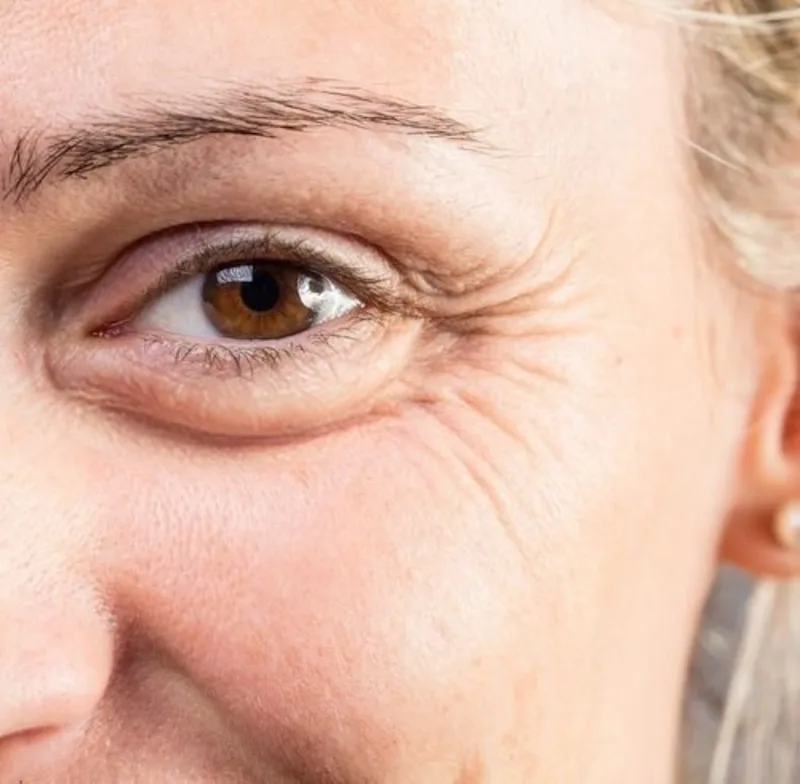
TL;DR: Crow's feet are the fine lines that fan out from the outer corners of your eyes. They come from repeated facial expression (dynamic lines) and from age-related collagen and elastin loss (static lines). Daily sunscreen and retinol can slow their progression, but neuromodulator injections, dermal fillers, laser resurfacing, and chemical peels treat existing lines directly. Most patients get the fastest results from injections, and a combination plan works best for lasting improvement.
How Long Does Botox Last? What to Expect
Botox typically lasts 3 to 4 months for most patients, although the exact timeline varies based on the treatment area, dosage, muscle activity, and individual metabolism. Some areas, such as the masseter muscles, may maintain results for up to 6 months, while treatments like a lip flip usually wear off sooner. First-time patients usually see shorter results than repeat patients do.
Lip Filler Swelling Stages: What Your Lips Really Look Like While Healing
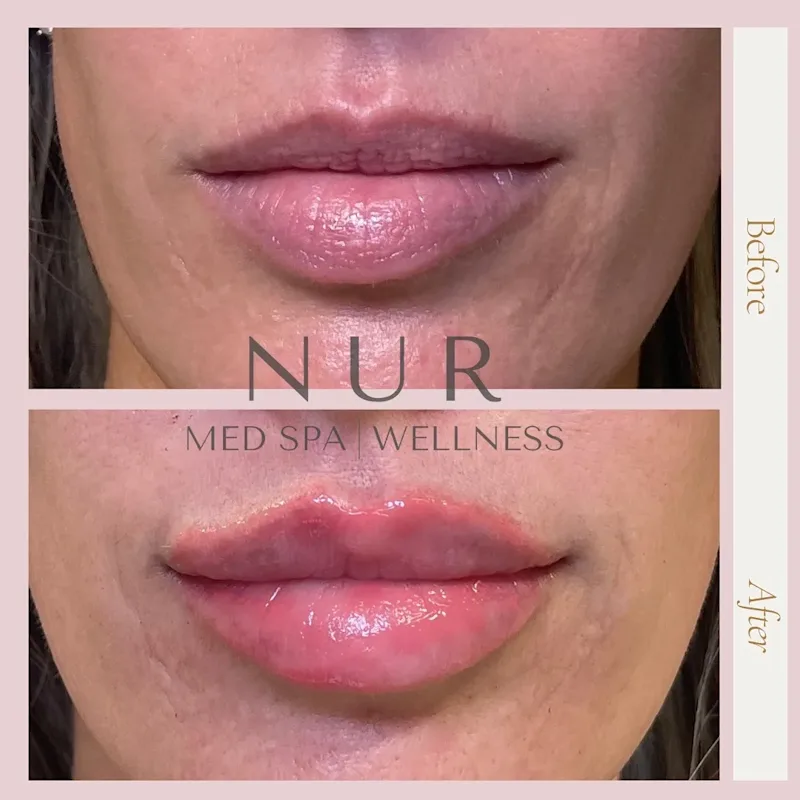
If your lips look overly swollen right after filler, don’t worry. That’s usually part of the process. The truth is, the lip filler swelling stages can be an emotional rollercoaster, especially during the first few days when swelling, tightness, and unevenness are at their peak. Many people think something went wrong before their lips even have time to heal properly.
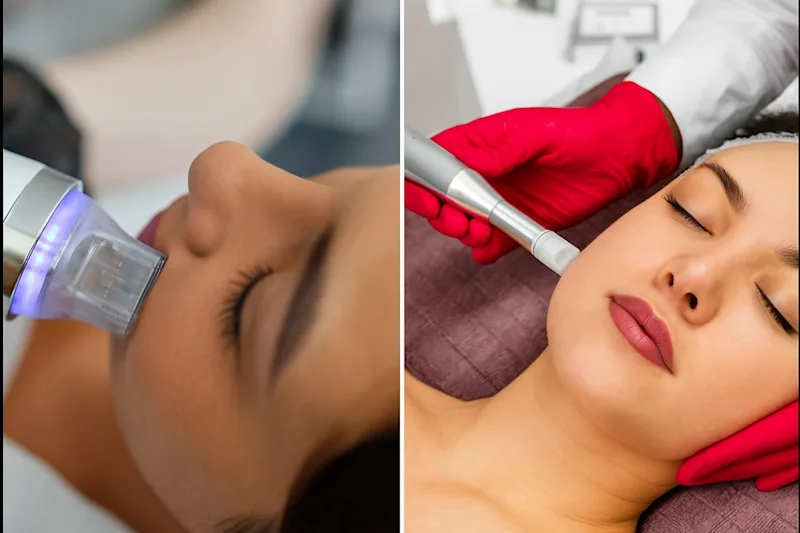
What Is a Medical Spa: Treatments, Costs & What to Expect
A medical spa, or med spa, is a licensed medical facility that combines the relaxing environment of a traditional spa with physician-supervised aesthetic treatments. Unlike a day spa, a med spa is classified as a medical practice. It offers non-surgical procedures that go beyond the skin's surface, including injectables, laser treatments, skin tightening, body contouring, and medical-grade skincare, all performed or overseen by a licensed healthcare provider.
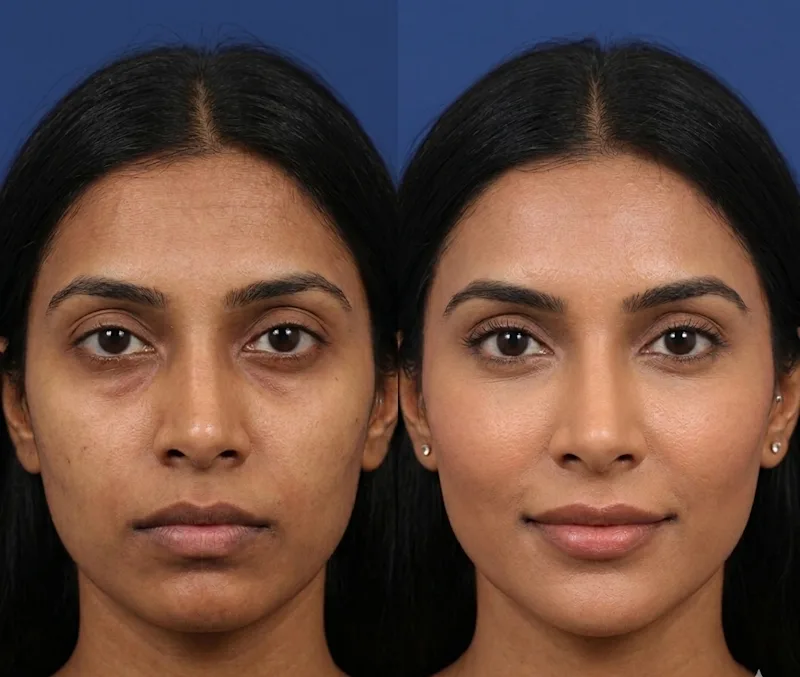
Facial Balancing with Dermal Fillers: Why It’s the Secret to Natural Results
You can enhance your lips, define your jawline, or add volume to your cheeks and still feel like something isn’t quite right. That’s exactly why facial balancing with dermal fillers has become the secret behind the most natural-looking results. It’s not more filler, it’s smarter placement.
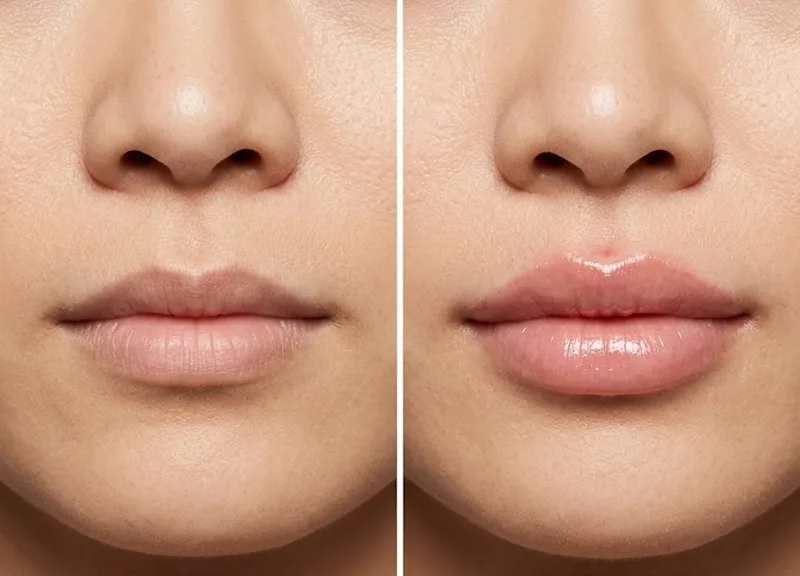
Lip Flip vs Filler: Which One Is Actually Right for You?
If you’ve been researching lip flip vs filler, you’ve probably noticed how confusing it gets. Both promise better-looking lips, but they work in completely different ways.

CONFIDENCE AWAITS
Not Sure Which MedSpa Service You Need?
Explore personalized aesthetic solutions created to
address your skin goals and help you feel
confident in your natural beauty.Explore personalized aesthetic solutions created to address your skin goals and help you feel confident in your natural beauty.