
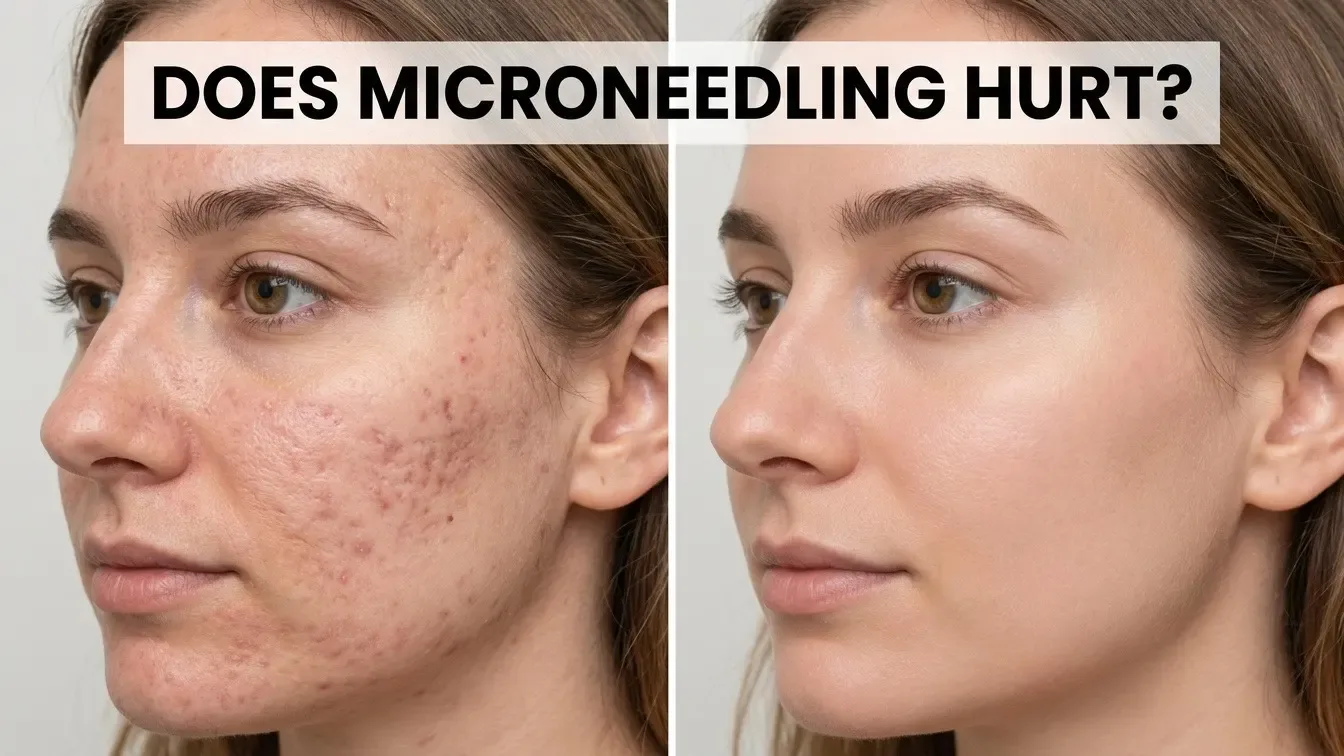
Does Microneedling Hurt? What to Expect During Treatment and Recovery
Author: Dr. Saima Rafiq
Updated on November 24, 2026
Summarize this blog post with:
The honest answer: you’ll feel some sensation. SkinPen microneedling uses fine needles to create controlled micro-injuries in the skin, while microneedling with exosomes combines this process with topical exosome-based products. Since both treatments involve tiny needle punctures, some discomfort is expected. The reassuring part: the sensation is generally manageable, and topical numbing cream can significantly reduce discomfort during treatment.
This guide explains what microneedling actually feels like, how numbing affects the experience, whether SkinPen and exosome microneedling feel different, what to expect during recovery, and how to make your treatment more comfortable before you book at NUR Med Spa & Wellness.
What Does Microneedling Feel Like?
Microneedling involves a specialized device with fine, sterile needles that create tiny channels in the skin. These controlled microchannels activate the skin's natural healing process and encourage collagen and elastin production, which help maintain skin structure and firmness.
During treatment, you may notice a light prickling, scratching, vibrating, or warming sensation as the device moves across different areas of your face. The intensity varies depending on your skin sensitivity, treatment area, needle depth, and individual pain tolerance.
When topical numbing cream is used before the procedure, it can significantly reduce discomfort. Patients commonly describe the sensation as:
Mild pressure or vibration as the device moves across the skin.
Light tingling or prickling in certain areas.
Increased sensitivity around the forehead, nose, and other bony areas.
A warm sensation during or immediately after treatment.
The cheeks and other fleshier areas may feel less sensitive than areas with thinner skin or less underlying tissue.
Overall, microneedling is generally well tolerated. However, the experience is different for everyone, and your provider can adjust the treatment approach according to your skin concerns and comfort level.
Does SkinPen Microneedling Hurt More Than Microneedling With Exosomes?
SkinPen microneedling and microneedling with exosomes use microneedling to create controlled microchannels in the skin. The primary difference is the addition of exosomes to the treatment protocol.
SkinPen Microneedling: SkinPen is a professional microneedling device that creates controlled micro-injuries to stimulate collagen and elastin production. It can help improve the appearance of acne scars, fine lines, enlarged pores, and uneven skin texture. The sensation depends on the treatment depth, skin sensitivity, and use of numbing cream.
Microneedling With Exosomes: This treatment combines microneedling with topical exosome-based products as part of a skin rejuvenation protocol. Exosomes contain cellular signaling components that are being studied for their potential role in skin repair and regeneration. The microneedling procedure itself can produce sensations similar to traditional microneedling, while the additional product does not necessarily eliminate treatment discomfort.
Neither option is automatically more painful than the other. The device, needle depth, treatment area, and individual sensitivity are more relevant factors when determining comfort.
Does Microneedling Hurt With Numbing Cream?
Topical numbing cream can make microneedling more comfortable by temporarily reducing sensation in the treatment area. It is generally applied before the procedure and given sufficient time to take effect according to the product's instructions and provider protocol.
Although numbing cream reduces discomfort, it does not always eliminate every sensation. You may still notice pressure, vibration, or mild prickling as the microneedling device moves across your skin.
The amount of sensation also depends on the treatment area and needle depth. Areas such as the forehead and around the nose may feel more sensitive than the cheeks.
What Factors Affect Microneedling Pain?
Not everyone experiences microneedling in the same way. Several factors can influence how comfortable or uncomfortable the procedure feels.
1. Needle Depth
Microneedling devices offer adjustable needle depths to address different skin concerns. The selected depth depends on the treatment area, skin condition, and desired outcome. Deeper treatments may produce more sensation than superficial treatments.
2. Treatment Area
Some facial areas are naturally more sensitive than others. The forehead, nose, and areas around the eyes may feel more uncomfortable because of differences in skin thickness and underlying tissue.
3. Individual Pain Sensitivity
People have different levels of sensitivity to pressure, vibration, and needle-based procedures. Someone who is comfortable with cosmetic treatments may have a different experience from someone who is new to microneedling.
4. Skin Condition and Sensitivity
Dry, irritated, or sensitive skin may respond differently during treatment. Your provider should evaluate your skin before proceeding and determine whether microneedling is appropriate.
5. Treatment Technique
The device settings, treatment method, and provider's technique can influence the overall experience. An individualized treatment approach helps address specific concerns while considering patient comfort.
How Long Does Microneedling Discomfort Last?
Microneedling discomfort is generally temporary. Most patients experience some redness, warmth, tightness, or sensitivity immediately after treatment. These effects typically improve as the skin begins to recover. Here is a general overview of what you may experience during recovery:
Immediately After Treatment: Your skin may appear red and feel warm, similar to a mild sunburn. Some patients also experience slight swelling or tenderness.
Days 1–2: Redness and sensitivity may continue but generally begin to improve. Your skin may feel dry, tight, or slightly irritated.
Days 3–5: Most initial redness and tenderness continue to settle. Some patients notice mild dryness or flaking as the skin recovers.
Days 5–7: The skin's surface generally looks calmer, although individual recovery times vary depending on treatment intensity and skin sensitivity.
Recovery is not identical for everyone. Follow your provider's aftercare instructions, avoid irritating skincare products until advised, and protect your skin from sun exposure. Contact your provider if you experience unexpected or worsening discomfort, significant swelling, or signs of infection.
Microneedling vs. Other Treatments: Which Is More Painful?
If you have experienced other aesthetic treatments, comparing their sensations may help you understand what to expect from microneedling.
Treatment | What It Typically Feels Like |
SkinPen Microneedling | Mild prickling, pressure, or vibration across the treatment area. |
Brief pinching or stinging sensations from individual injections. | |
Pressure, pinching, or temporary discomfort during injections. | |
Warmth, heat, or snapping sensations depending on the laser technology. | |
Chemical Peels | Temporary tingling, stinging, or burning sensations depending on the peel strength. |
These treatments involve different techniques, so their discomfort cannot be compared equally for every patient. Skin sensitivity, treatment intensity, and individual pain tolerance all influence the experience. The right treatment depends on your skin concerns, desired improvements, recovery expectations, and provider recommendations.
How to Make Microneedling More Comfortable?
Preparing your skin and communicating with your provider can help make your microneedling appointment more comfortable.
Consider the following recommendations:
Follow pre-treatment instructions: Your provider may recommend temporarily avoiding certain active skincare ingredients before treatment.
Discuss numbing options: Ask whether topical numbing cream is appropriate for your procedure.
Keep your skin hydrated: Maintain your usual gentle skincare and hydration routine before your appointment.
Share your concerns: Let your provider know if you have sensitive skin, previous reactions, or anxiety about needle-based procedures.
Avoid irritating skincare: Follow instructions regarding retinoids, exfoliating acids, and other potentially irritating products.
Follow aftercare recommendations: Use gentle skincare products and avoid unnecessary irritation while your skin recovers.
Is Microneedling Worth the Temporary Discomfort?
For many patients, microneedling is worth considering because it addresses skin concerns that topical skincare products alone may not adequately improve. By stimulating the skin's natural collagen production, microneedling may help improve the appearance of:
Acne scars and uneven skin texture.
Fine lines and early signs of aging.
Enlarged pores.
Uneven skin tone.
Mild skin laxity.
Rough or dull-looking skin.
Skin improvements develop gradually as the skin responds to treatment and produces new collagen. Multiple sessions may be recommended depending on the severity of your concerns and your treatment goals.
Microneedling with exosomes offers an additional approach that combines microneedling with topical exosome-based products. However, the evidence supporting exosome-based aesthetic treatments is still developing, and results are not guaranteed.
A consultation can help determine whether SkinPen microneedling or microneedling with exosomes is suitable for your individual needs.
Experience Microneedling at NUR Med Spa & Wellness in Lake Nona, FL
If concerns about discomfort have kept you from exploring microneedling, understanding the procedure can help you make an informed decision.
At NUR Med Spa & Wellness, we offer SkinPen microneedling and microneedling with exosomes to address common skin concerns through personalized skin rejuvenation treatments. Whether you want to improve acne scars, fine lines, enlarged pores, or uneven skin texture, we can evaluate your skin and recommend an appropriate treatment approach.
Schedule a consultation at our medspa in Lake Nona, FL, to explore your microneedling options and learn what to expect before, during, and after treatment.
Frequently Asked Questions About Microneedling Pain
Does microneedling hurt for the first time?
Microneedling may feel uncomfortable during your first session, but most patients find the sensation manageable. Topical numbing cream can reduce sensitivity, and you may notice mild pressure, vibration, or prickling during treatment.
How painful is SkinPen microneedling?
SkinPen microneedling generally causes mild to moderate discomfort, depending on needle depth, treatment area, and individual sensitivity. With appropriate numbing, many patients tolerate the procedure comfortably.
Does microneedling with exosomes hurt?
Microneedling with exosomes can cause sensations similar to traditional microneedling because both treatments involve creating controlled microchannels in the skin. The addition of topical exosome products does not necessarily change the discomfort associated with the microneedling procedure.
How long does your face stay red after microneedling?
Facial redness commonly lasts around 24 to 72 hours, although some patients experience redness for longer. Treatment depth, skin sensitivity, and individual healing responses can influence recovery time.
Can I go to work the day after microneedling?
Many patients can return to normal daily activities the following day. However, visible redness, sensitivity, and mild swelling may still be present. Follow your provider's recommendations regarding makeup, skincare, and sun exposure.
Is microneedling more painful than Botox?
The sensations are different. Botox involves brief injections, while microneedling creates repeated sensations across a larger skin area. Which feels more uncomfortable depends on individual pain tolerance and the treatment technique.
How long does microneedling take?
A microneedling appointment generally takes approximately 30 to 60 minutes, depending on the treatment area, preparation, numbing time, and the provider's protocol.
What should I avoid after microneedling?
Avoid harsh exfoliants, retinoids, irritating skincare products, and direct sun exposure during the initial recovery period. Your provider will give you specific aftercare instructions based on your treatment.
How many microneedling sessions do I need?
The number of sessions depends on your skin concerns and treatment goals. Some patients may benefit from a series of treatments spaced several weeks apart, while others may require a different schedule. Your provider can recommend an appropriate treatment plan after evaluating your skin.
Is microneedling safe for sensitive skin?
Microneedling may be appropriate for some people with sensitive skin, but an individual evaluation is important. Active skin irritation, certain skin conditions, and other contraindications may make treatment unsuitable until the underlying issue is addressed.
Disclaimer: This blog is for general informational purposes only and is not medical advice. Always consult a licensed healthcare professional before starting any treatment or procedure. Do not rely solely on this content for medical decisions. We are not responsible for any actions taken based on the information provided.

Written By
Dr. Saima Rafiq, D.O.
Top Aesthetic Injector, Osteopathic Physician

Dr. Saima Rafiq, D.O., Co-Founder and Medical Director of NUR Med Spa, brings over a decade of medical expertise to the world of aesthetics and wellness. Board-certified in internal medicine and a graduate of Nova Southeastern University.
14+
Years in aesthetic
200+
Clinic clients served
Get in Touch
We're here to help you look and feel your best. Send us a message and our team will respond promptly.
Learn More Before Your Treatment
Explore our expert resources to learn what to expect, how to prepare, and how to support your results with proper aftercare.
Does Microneedling Hurt? What to Expect During Treatment and Recovery
The honest answer: you’ll feel some sensation. SkinPen microneedling uses fine needles to create controlled micro-injuries in the skin, while microneedling with exosomes combines this process with topical exosome-based products. Since both treatments involve tiny needle punctures, some discomfort is expected. The reassuring part: the sensation is generally manageable, and topical numbing cream can significantly reduce discomfort during treatment.

How to Cure Hormonal Imbalance in Females: Causes and Treatments
Do you feel tired even after a full night's sleep? Are your periods becoming irregular? Have you noticed unexpected mood changes, skin problems, or changes in your energy levels? Your hormones could be playing a role.

Medical Weight Loss vs. Traditional Dieting: What's the Difference?
Managing body weight involves more than following a particular eating plan. Nutrition, physical activity, sleep, medications, medical conditions, and other factors can influence weight and overall metabolic health.
Bioidentical Hormone Therapy for Men (BHRT)
Do you feel tired even after getting enough sleep? Have you noticed changes in your sex drive, mood, or muscle strength? These changes can happen as men get older, but sometimes they may be linked to low testosterone or other hormone imbalances.
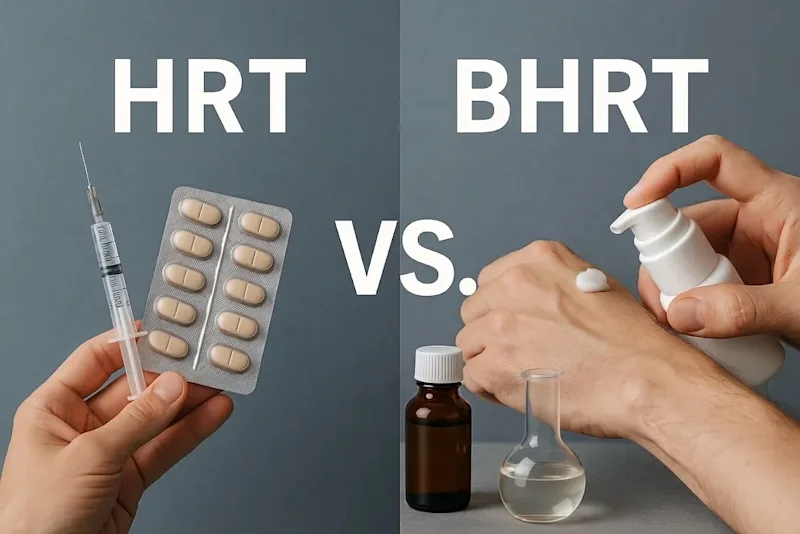
BHRT vs HRT: What’s the Difference, and Which Is Better?
Hot flashes, poor sleep, mood changes, and low energy can make everyday life difficult. If you’re experiencing these symptoms, you may be wondering whether hormone therapy could help. But when researching BHRT vs HRT, how do you know the difference, and which option is right for you?
Why Am I Always Tired? 6 Common Reasons for Low Energy
If you've been wondering, “why do I have no energy?”, you're not imagining how frustrating it can be. You may get through your morning with coffee, feel sleepy again by afternoon, and still wonder “why am I always tired?” even though you think you're doing everything right.
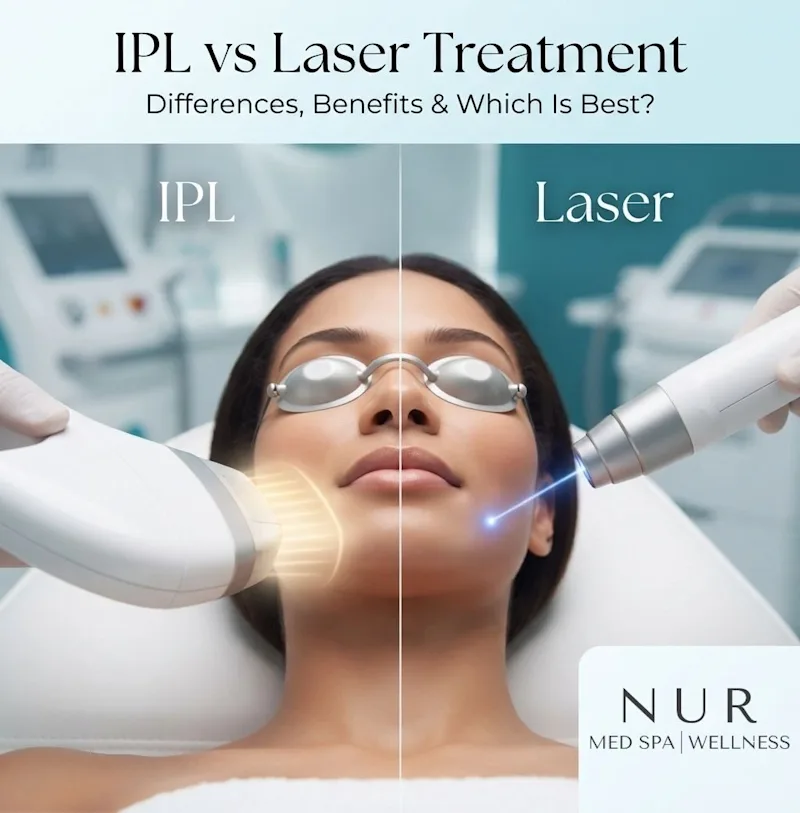
IPL vs. Laser Treatment: Which Is Right for Your Skin?
IPL and laser treatment both use light energy to treat skin concerns, but they work differently and produce different results. IPL (Intense Pulsed Light) emits multiple wavelengths of light, while laser devices emit a single, concentrated wavelength. This difference affects treatment precision, skin compatibility, recovery time, and the conditions each technology treats most effectively.
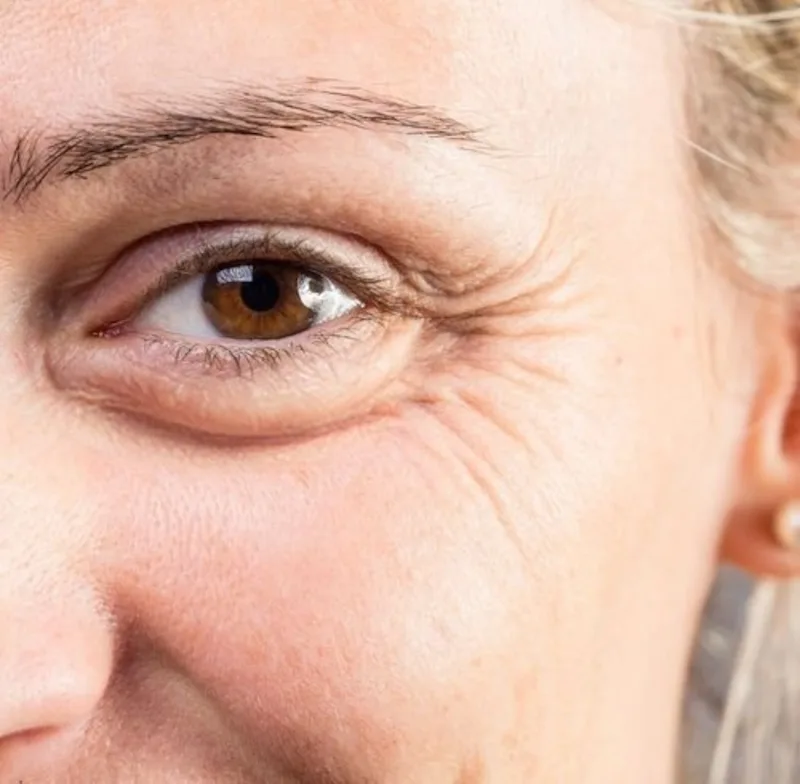
What Are Crow's Feet? Causes, Prevention & Treatment Options
TL;DR: Crow's feet are the fine lines that fan out from the outer corners of your eyes. They come from repeated facial expression (dynamic lines) and from age-related collagen and elastin loss (static lines). Daily sunscreen and retinol can slow their progression, but neuromodulator injections, dermal fillers, laser resurfacing, and chemical peels treat existing lines directly. Most patients get the fastest results from injections, and a combination plan works best for lasting improvement.
How Long Does Botox Last? What to Expect
Botox typically lasts 3 to 4 months for most patients, although the exact timeline varies based on the treatment area, dosage, muscle activity, and individual metabolism. Some areas, such as the masseter muscles, may maintain results for up to 6 months, while treatments like a lip flip usually wear off sooner. First-time patients usually see shorter results than repeat patients do.
CONFIDENCE AWAITS
Not Sure Which MedSpa Service You Need?
Explore personalized aesthetic solutions created to
address your skin goals and help you feel
confident in your natural beauty.Explore personalized aesthetic solutions created to address your skin goals and help you feel confident in your natural beauty.