

How to Cure Hormonal Imbalance in Females: Causes and Treatments
Author: Dr. Saima Rafiq
Updated on November 15, 2026
Summarize this blog post with:
Do you feel tired even after a full night's sleep? Are your periods becoming irregular? Have you noticed unexpected mood changes, skin problems, or changes in your energy levels? Your hormones could be playing a role.
Learning how to cure hormonal imbalance in females starts with understanding what your body needs. Hormones affect almost everything, from your menstrual cycle and metabolism to sleep and mood. When hormone levels change, you may notice changes in how you feel every day.
The good news is that many hormone-related symptoms can improve with the right care. The key is finding the underlying cause and choosing a treatment that works for your needs.
What Is Hormonal Imbalance in Females?
Hormonal imbalance occurs when your body produces too much or too little of one or more hormones. Hormones are chemical messengers that help regulate important body functions.
In females, hormones such as estrogen, progesterone, testosterone, thyroid hormones, insulin, and cortisol influence several processes, including:
Menstrual cycles and reproductive health.
Metabolism and energy levels.
Sleep patterns and mood.
Skin health and hair growth.
Bone health and sexual function.
What Are the Common Signs of Hormonal Imbalance in Females?
Hormonal imbalance can affect women differently. Symptoms depend on which hormones are involved and what is causing the changes.
Common signs include:
Irregular periods: Menstrual cycles may become unpredictable, unusually heavy, or lighter than usual.
Persistent fatigue: You may feel tired even after getting enough sleep.
Mood changes: Hormonal fluctuations may contribute to irritability, anxiety, or low mood.
Acne and skin changes: Changes in androgen levels may contribute to breakouts.
Sleep problems: Hormonal changes, particularly during perimenopause, may affect sleep quality.
Changes in sexual desire: Estrogen and other hormone changes may affect libido.
Hot flashes and night sweats: These are common symptoms of changing estrogen levels during perimenopause and menopause.
Hair thinning or unwanted hair growth: Changes in androgen levels may affect hair growth patterns.
Weight changes: Thyroid conditions, insulin resistance, menopause, and other factors may influence metabolism and body weight.
What Causes Hormonal Imbalance in Females?
Understanding the cause is the first step toward choosing the right treatment. Several health conditions and life changes can affect female hormone levels.
1. Polycystic Ovary Syndrome (PCOS): PCOS can cause higher androgen levels and insulin resistance. Common symptoms include irregular periods, acne, excess facial hair, and ovulation problems.
2. Thyroid Disorders: An underactive or overactive thyroid can affect metabolism, energy levels, mood, and menstrual cycles.
3. Perimenopause and Menopause: Changes in estrogen and progesterone levels may cause hot flashes, night sweats, sleep problems, mood changes, and irregular periods.
4. Chronic Stress: Long-term stress can affect cortisol regulation and influence sleep, appetite, and menstrual health.
5. Insulin Resistance: Insulin resistance affects how the body regulates blood sugar. It is also commonly associated with PCOS and metabolic health concerns.
6. Other Factors: Certain medications, pregnancy, postpartum changes, poor sleep, and nutritional deficiencies may also contribute to hormonal changes.
How Is Hormonal Imbalance Diagnosed in Females?
Hormonal imbalance cannot be diagnosed through symptoms alone. A healthcare provider considers your symptoms, medical history, menstrual patterns, and overall health.
Depending on your symptoms, evaluation may include:
Medical History: Reviewing menstrual cycles, medications, symptoms, and family history.
Thyroid Function Tests: Checking TSH and thyroid hormone levels when thyroid problems are suspected.
Reproductive Hormone Tests: Measuring selected hormones, such as estrogen, progesterone, or testosterone, when clinically appropriate.
Blood Sugar Tests: Checking glucose or other markers when insulin resistance or metabolic concerns are suspected.
Additional Evaluation: Pelvic ultrasound or other investigations when needed.
How to Fix Female Hormone Imbalance: 6 Ways to Support Hormone Health
If you are wondering how to fix female hormone imbalance, start by understanding that there is no single solution for everyone.
These lifestyle changes can support overall health, although some conditions require medical treatment.
1. Eat a Balanced and Nutritious Diet
Nutrition supports hormone production and metabolic health. Include protein, healthy fats, fiber, fruits, vegetables, and whole grains in your meals.
Foods such as eggs, fish, nuts, seeds, beans, and leafy vegetables provide nutrients that support normal body functions.
Avoid restrictive diets or eliminating entire food groups to balance hormones.
2. Prioritize Quality Sleep
Sleep helps regulate hormones involved in stress, appetite, and blood sugar.
To support better sleep:
Maintain a consistent sleep schedule.
Create a comfortable sleeping environment.
Limit caffeine late in the day.
Reduce screen exposure before bedtime.
3. Manage Everyday Stress
Long-term stress can affect cortisol regulation and overall well-being.
Consider meditation, deep breathing, gentle yoga, or spending time outdoors to manage everyday stress.
4. Stay Physically Active
Regular physical activity supports cardiovascular health, metabolism, and insulin sensitivity.
Walking, swimming, cycling, and strength training are useful options. Choose activities that fit your abilities and maintain a consistent routine.
5. Address Nutritional Deficiencies
Certain nutritional deficiencies can contribute to symptoms such as fatigue and weakness.
A healthcare provider may recommend checking vitamin D, iron, vitamin B12, or other nutrient levels based on your symptoms and medical history.
Avoid taking high-dose supplements without professional guidance.
6. Treat Underlying Health Conditions
Lifestyle changes cannot correct every hormonal condition.
For example:
PCOS may require medication and metabolic management.
Hypothyroidism may require thyroid hormone replacement.
Hyperthyroidism requires treatment to manage excess thyroid hormone.
Menopause-related symptoms may benefit from hormone therapy or nonhormonal treatments.
Identifying the underlying cause is essential for choosing the right treatment.
Female Hormone Imbalance Treatment: What Are the Medical Options?
The right female hormone imbalance treatment depends on the underlying cause, the symptoms, and your overall health. There is no universal hormonal imbalance cure. Different conditions require different approaches.
Common treatment options include:
Hormone Replacement Therapy (HRT)
Bioidentical hormone replacement therapy may help women experiencing certain menopause-related symptoms caused by declining estrogen levels.
Depending on individual needs, treatment may involve estrogen, progesterone or progestin, and other therapies in selected circumstances.
HRT may help manage:
Hot flashes and night sweats.
Vaginal dryness.
Certain menopause-related sleep disturbances.
Other bothersome symptoms associated with menopause.
However, hormone therapy is not suitable for everyone. Benefits and risks depend on factors such as age, medical history, treatment type, and individual health risks.
Hormone Pellet Therapy
Hormone pellet therapy is a form of hormone therapy that uses small pellets placed under the skin to deliver hormones over time.
At NUR Med Spa & Wellness, hormone pellet therapy is offered through the EVEXIAS approach. It may be considered for eligible women experiencing certain hormone-related symptoms, particularly during menopause.
Treatment suitability depends on individual hormone levels, symptoms, medical history, and a provider's evaluation.
Thyroid Medication
Women diagnosed with hypothyroidism may need thyroid hormone replacement medication.
Those with hyperthyroidism may require different medications or other medical treatments to manage excess thyroid hormone.
PCOS Treatment
PCOS treatment depends on symptoms and individual goals. A healthcare provider may recommend medication to regulate menstrual cycles, address insulin resistance, or manage symptoms associated with elevated androgen levels.
Can Hormonal Imbalance Be Cured Permanently?
Yes, some hormone-related problems can resolve when their underlying cause is addressed. However, others require ongoing management.
For example:
Underlying cause | Can it be cured? |
Temporary hormone fluctuations | May resolve naturally or after addressing contributing factors |
PCOS | No established cure, but symptoms can be managed |
Hypothyroidism | Usually requires ongoing treatment |
Hyperthyroidism | Some causes can be treated definitively; others require ongoing management |
Perimenopause | A natural life transition that progresses to menopause |
Menopause-related symptoms | Can often be managed with appropriate treatment |
When Should You See a Healthcare Provider?
Occasional hormonal fluctuations are normal. However, persistent or unexplained symptoms deserve professional attention.
Consider seeking an evaluation if you experience:
Repeatedly irregular or missed periods.
Persistent fatigue without an obvious explanation.
Significant changes in menstrual bleeding.
Ongoing hot flashes or night sweats.
Unexplained changes in hair growth or skin.
Persistent sleep or mood disturbances.
Symptoms that interfere with your daily activities.
How NUR Med Spa Supports Women's Hormonal Health in Orlando
Hormonal changes can affect many aspects of your daily life. Finding the right treatment starts with understanding your symptoms, medical history, and individual health needs.
At our med spa in Lake Nona, women can explore personalized hormone replacement therapy options with professional guidance.
NUR offers hormone therapy services, including bioidentical hormone therapy and hormone pellet therapy through the EVEXIAS approach. Depending on your symptoms and treatment goals, a consultation can help determine whether hormone replacement therapy may be an appropriate option.
Schedule a consultation today to discuss your symptoms and determine which treatment options may be appropriate for your needs.
FAQs About Hormonal Imbalance in Women
How to cure hormonal imbalance in females naturally?
Some hormone-related symptoms may improve through balanced nutrition, regular physical activity, quality sleep, and stress management. However, conditions such as PCOS and thyroid disorders may require medical treatment.
How long does it take to fix hormonal imbalance?
The timeline depends on the underlying cause, severity of symptoms, and treatment approach. Some temporary hormone changes may improve relatively quickly, while chronic conditions may require ongoing management.
Can hormonal imbalance be cured without medication?
Some temporary hormone-related changes may improve with lifestyle adjustments. However, medical conditions such as hypothyroidism, PCOS, and certain reproductive disorders may require medication or other treatments.
What is the best treatment for female hormonal imbalance?
There is no single best treatment. Options may include hormone replacement therapy, thyroid medication, PCOS management, and lifestyle changes, depending on the underlying cause.
What foods help balance female hormones?
A balanced diet containing protein, healthy fats, fiber, fruits, vegetables, and whole grains supports overall metabolic and hormonal health. No specific food can cure a hormonal imbalance.
Does hormone replacement therapy help with hormonal imbalance?
HRT can help manage certain symptoms associated with declining hormone levels during perimenopause and menopause. It is not appropriate for every type of hormonal imbalance, and treatment requires an individualized risk-benefit assessment.
How do doctors test for hormonal imbalance in females?
Evaluation may include a medical history, physical examination, and selected blood tests. Depending on symptoms, a provider may assess thyroid hormones, reproductive hormones, blood glucose, or other relevant markers.
Can stress cause hormonal imbalance in females?
Chronic stress can affect cortisol regulation and influence sleep, menstrual function, and other hormone-related processes. Managing stress may support overall health, but persistent symptoms should be evaluated.
Is hormonal imbalance common during perimenopause?
Yes. Hormone levels, particularly estrogen and progesterone, fluctuate during perimenopause. These changes may cause irregular periods, hot flashes, sleep disturbances, and mood changes.
When should I consider hormone replacement therapy?
Women experiencing bothersome menopause-related symptoms may consider discussing HRT with a qualified healthcare provider. The decision depends on symptoms, age, medical history, and individual risks and benefits.
Disclaimer: This blog is for general informational purposes only and is not medical advice. Always consult a licensed healthcare professional before starting any treatment or procedure. Do not rely solely on this content for medical decisions. We are not responsible for any actions taken based on the information provided.

Written By
Dr. Saima Rafiq, D.O.
Top Aesthetic Injector, Osteopathic Physician

Dr. Saima Rafiq, D.O., Co-Founder and Medical Director of NUR Med Spa, brings over a decade of medical expertise to the world of aesthetics and wellness. Board-certified in internal medicine and a graduate of Nova Southeastern University.
14+
Years in aesthetic
200+
Clinic clients served
Get in Touch
We're here to help you look and feel your best. Send us a message and our team will respond promptly.
Learn More Before Your Treatment
Explore our expert resources to learn what to expect, how to prepare, and how to support your results with proper aftercare.

How to Cure Hormonal Imbalance in Females: Causes and Treatments
Do you feel tired even after a full night's sleep? Are your periods becoming irregular? Have you noticed unexpected mood changes, skin problems, or changes in your energy levels? Your hormones could be playing a role.

Medical Weight Loss vs. Traditional Dieting: What's the Difference?
Managing body weight involves more than following a particular eating plan. Nutrition, physical activity, sleep, medications, medical conditions, and other factors can influence weight and overall metabolic health.

Bioidentical Hormone Therapy for Men (BHRT)
Do you feel tired even after getting enough sleep? Have you noticed changes in your sex drive, mood, or muscle strength? These changes can happen as men get older, but sometimes they may be linked to low testosterone or other hormone imbalances.
BHRT vs HRT: What’s the Difference, and Which Is Better?
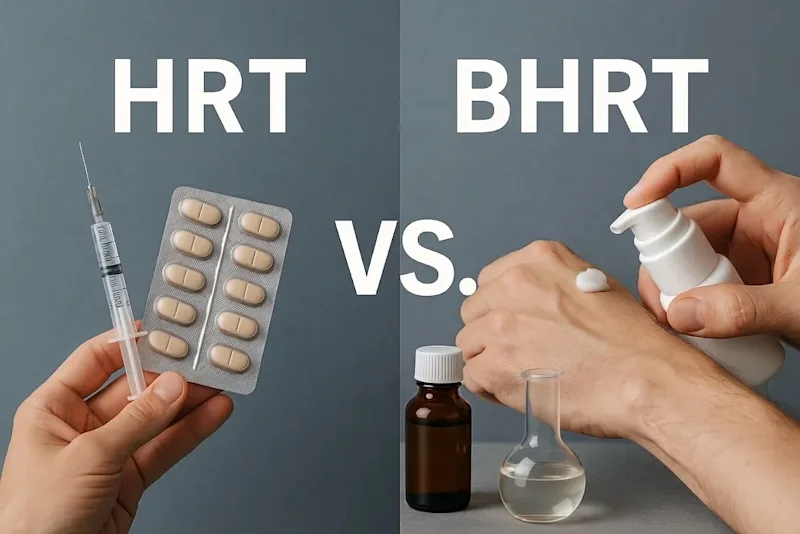
Hot flashes, poor sleep, mood changes, and low energy can make everyday life difficult. If you’re experiencing these symptoms, you may be wondering whether hormone therapy could help. But when researching BHRT vs HRT, how do you know the difference, and which option is right for you?
Why Am I Always Tired? 6 Common Reasons for Low Energy
If you've been wondering, “why do I have no energy?”, you're not imagining how frustrating it can be. You may get through your morning with coffee, feel sleepy again by afternoon, and still wonder “why am I always tired?” even though you think you're doing everything right.

IPL vs. Laser Treatment: Which Is Right for Your Skin?
IPL and laser treatment both use light energy to treat skin concerns, but they work differently and produce different results. IPL (Intense Pulsed Light) emits multiple wavelengths of light, while laser devices emit a single, concentrated wavelength. This difference affects treatment precision, skin compatibility, recovery time, and the conditions each technology treats most effectively.
What Are Crow's Feet? Causes, Prevention & Treatment Options
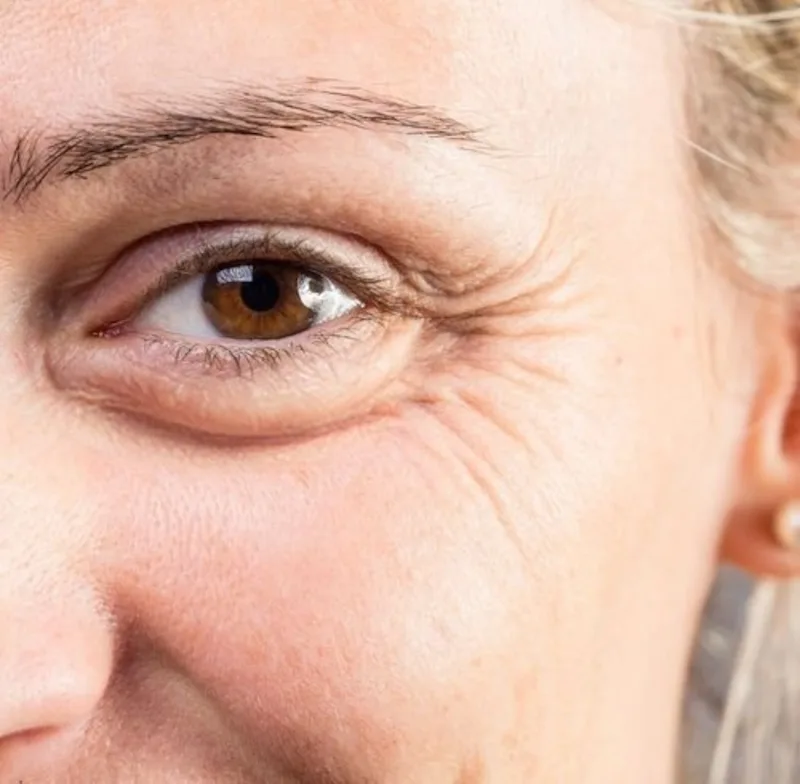
TL;DR: Crow's feet are the fine lines that fan out from the outer corners of your eyes. They come from repeated facial expression (dynamic lines) and from age-related collagen and elastin loss (static lines). Daily sunscreen and retinol can slow their progression, but neuromodulator injections, dermal fillers, laser resurfacing, and chemical peels treat existing lines directly. Most patients get the fastest results from injections, and a combination plan works best for lasting improvement.
How Long Does Botox Last? What to Expect
Botox typically lasts 3 to 4 months for most patients, although the exact timeline varies based on the treatment area, dosage, muscle activity, and individual metabolism. Some areas, such as the masseter muscles, may maintain results for up to 6 months, while treatments like a lip flip usually wear off sooner. First-time patients usually see shorter results than repeat patients do.
Lip Filler Swelling Stages: What Your Lips Really Look Like While Healing
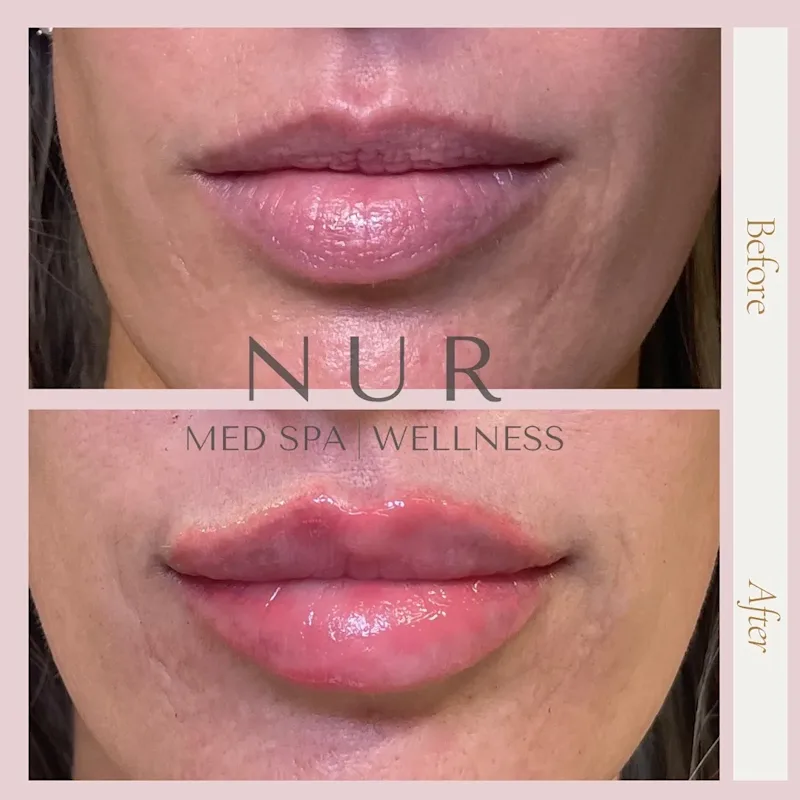
If your lips look overly swollen right after filler, don’t worry. That’s usually part of the process. The truth is, the lip filler swelling stages can be an emotional rollercoaster, especially during the first few days when swelling, tightness, and unevenness are at their peak. Many people think something went wrong before their lips even have time to heal properly.
CONFIDENCE AWAITS
Not Sure Which MedSpa Service You Need?
Explore personalized aesthetic solutions created to
address your skin goals and help you feel
confident in your natural beauty.Explore personalized aesthetic solutions created to address your skin goals and help you feel confident in your natural beauty.