

Medical Weight Loss vs. Traditional Dieting: What's the Difference?

Author: Dr. Saima Rafiq
Updated on November 5, 2026
Summarize this blog post with:
Managing body weight involves more than following a particular eating plan. Nutrition, physical activity, sleep, medications, medical conditions, and other factors can influence weight and overall metabolic health.
When comparing medical weight loss vs traditional dieting, the main difference is the level of medical involvement. Traditional dieting generally focuses on changing eating habits and daily routines, while medical weight management includes a healthcare evaluation and may involve additional clinical treatments when appropriate.
Both approaches can include healthy lifestyle changes. However, medical weight loss provides a more structured way to evaluate health-related factors, discuss available treatment options, and monitor individual needs.
Understanding the differences can help adults make informed decisions about weight management with guidance from a qualified healthcare professional.
What Is Traditional Dieting?
Traditional dieting generally refers to changing eating habits to influence body weight. It may involve following a specific eating plan, adjusting food choices, changing portion sizes, or adopting different nutritional habits.
Some people follow structured programs, while others make changes independently based on general nutrition recommendations.
Traditional dieting may include:
Nutrition planning: Choosing balanced meals that meet individual nutritional needs.
Eating habit changes: Developing consistent eating patterns and mindful food choices.
Physical activity: Incorporating movement that supports general health and physical function.
Lifestyle adjustments: Considering sleep, stress, daily routines, and other factors that influence health.
H2: What Is Medical Weight Loss?
Medical weight loss is a healthcare-guided approach to weight management. It involves evaluating individual health factors before determining whether lifestyle support, medical treatment, or a combination of approaches may be appropriate.
Unlike a self-directed diet plan, medical weight management begins with a clinical assessment. A healthcare provider may review medical history, current medications, previous weight-management experiences, metabolic health, and relevant laboratory findings.
Depending on individual needs, a medical weight loss program may include:
Medical evaluation: Reviewing health history, medications, and relevant risk factors.
Nutrition guidance: Discussing balanced nutrition and sustainable eating habits.
Lifestyle support: Considering sleep, stress, physical activity, and daily routines.
Prescription medications: Discussing FDA-approved weight-management medications when medically appropriate.
Progress monitoring: Reviewing treatment response, potential side effects, and ongoing health needs.
Medical Weight Loss vs Traditional Dieting: Key Differences
Both approaches can involve nutrition and lifestyle changes, but they differ in how treatment decisions are made and monitored.
Comparison | Traditional Dieting | Medical Weight Loss |
Initial approach | Changes to eating habits and routines | Clinical evaluation and individualized planning |
Medical involvement | Not always required | Healthcare provider involvement |
Personalization | Depends on the eating plan | Based on health history and individual needs |
Health assessment | May not include medical testing | May include relevant laboratory testing |
Nutrition guidance | Based on general or personalized nutrition advice | Integrated into an individualized care plan |
Medication options | Usually not included | May include prescription medications when appropriate |
Monitoring | Self-directed or program-based | Clinical follow-ups when included in the program |
Maintenance | Depends on continued habits and support | May include ongoing monitoring and maintenance planning |
The main difference between medical weight loss vs dieting is not whether someone follows healthy eating habits. Both approaches can include those habits. The difference is whether medical evaluation, treatment options, and professional monitoring are incorporated into the plan.
Who Can Consider Traditional Dieting?
Traditional dieting may be suitable for adults who want to improve their eating habits and make lifestyle changes to manage their weight. It may be a good starting point for individuals who:
Want to develop healthier eating habits.
Prefer making gradual changes to their daily food choices.
Want to manage portion sizes and improve nutrition.
Can follow a balanced eating plan that meets their nutritional needs.
Want to support their overall health through nutrition and physical activity.
Who Can Consider Medical Weight Loss?
Medical weight loss may be worth considering for adults who need additional support with weight management. It may be suitable for individuals who:
Have overweight or obesity and related health concerns.
Have medical conditions or medications that may affect weight.
Have difficulty managing weight through lifestyle changes alone.
Want professional guidance to understand available treatment options.
Need a personalized approach based on their health history.
Why Medical Weight Loss Can Support Long-Term Weight Management
Medical weight loss takes a more personalized approach to managing weight. Instead of focusing only on diet and exercise, it also considers medical history, lifestyle, medications, and other factors that may affect weight. Working with healthcare professionals helps individuals understand their options and choose an approach that fits their health needs.
Regular follow-ups are another important part of medical weight management. Healthcare providers can review progress, answer questions, and adjust the treatment plan when needed. This guidance can also help individuals build healthy eating habits and lifestyle changes they can maintain over time.
Some medical weight loss programs also include behavioral support. This helps individuals understand their eating habits, recognize emotional eating patterns, and make healthier choices in their daily lives.
Medical Weight Loss Program at NUR Med Spa & Wellness in Orlando
At NUR Med Spa & Wellness in Orlando, FL, our medical weight loss program takes an individualized approach to weight management. We consider factors such as medical history, metabolic health, lifestyle, and personal health goals when discussing treatment options.
Our approach focuses on personalized medical guidance and appropriate treatment recommendations based on individual needs. If you are considering medical weight management, schedule a consultation today to learn more about our program and consultation process.
FAQs About Medical Weight Loss vs Dieting
Is medical weight loss better than traditional dieting?
Neither approach is right for everyone. Traditional dieting focuses on nutrition and lifestyle changes, while medical weight loss adds clinical evaluation and professional guidance. The appropriate option depends on individual health needs.
Does medical weight loss include diet and exercise?
Yes. Nutrition and physical activity can remain important parts of medical weight management. A healthcare provider may recommend lifestyle changes alongside other treatments when appropriate.
Can medical weight loss include prescription medications?
Yes. Some programs may include FDA-approved prescription weight-management medications for eligible patients. A healthcare provider must evaluate medical history and potential risks before recommending treatment.
How long does medical weight loss take?
Treatment duration varies depending on individual health needs, the approach used, and progress over time. Regular follow-ups help providers determine whether adjustments are needed.
Is medical weight loss safe?
Medical weight loss should be guided by a qualified healthcare professional. Treatment options, including prescription medications, have potential risks and side effects that should be discussed before starting.
Disclaimer: This blog is for general informational purposes only and is not medical advice. Always consult a licensed healthcare professional before starting any treatment or procedure. Do not rely solely on this content for medical decisions. We are not responsible for any actions taken based on the information provided.

Written By
Dr. Saima Rafiq, D.O.
Top Aesthetic Injector, Osteopathic Physician

Dr. Saima Rafiq, D.O., Co-Founder and Medical Director of NUR Med Spa, brings over a decade of medical expertise to the world of aesthetics and wellness. Board-certified in internal medicine and a graduate of Nova Southeastern University.
14+
Years in aesthetic
200+
Clinic clients served
Get in Touch
We're here to help you look and feel your best. Send us a message and our team will respond promptly.
Learn More Before Your Treatment
Explore our expert resources to learn what to expect, how to prepare, and how to support your results with proper aftercare.

Medical Weight Loss vs. Traditional Dieting: What's the Difference?
Managing body weight involves more than following a particular eating plan. Nutrition, physical activity, sleep, medications, medical conditions, and other factors can influence weight and overall metabolic health.

Bioidentical Hormone Therapy for Men (BHRT)
Do you feel tired even after getting enough sleep? Have you noticed changes in your sex drive, mood, or muscle strength? These changes can happen as men get older, but sometimes they may be linked to low testosterone or other hormone imbalances.
BHRT vs HRT: What’s the Difference, and Which Is Better?
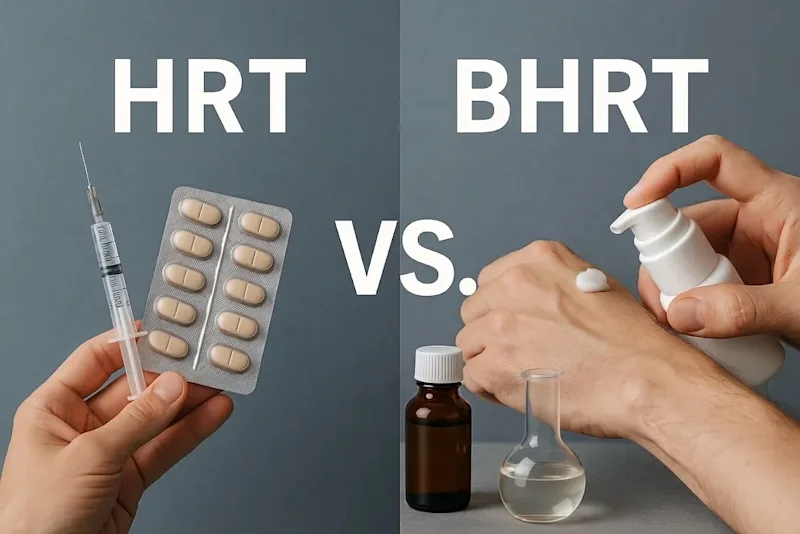
Hot flashes, poor sleep, mood changes, and low energy can make everyday life difficult. If you’re experiencing these symptoms, you may be wondering whether hormone therapy could help. But when researching BHRT vs HRT, how do you know the difference, and which option is right for you?

Why Am I Always Tired? 6 Common Reasons for Low Energy
If you've been wondering, “why do I have no energy?”, you're not imagining how frustrating it can be. You may get through your morning with coffee, feel sleepy again by afternoon, and still wonder “why am I always tired?” even though you think you're doing everything right.
IPL vs. Laser Treatment: Which Is Right for Your Skin?
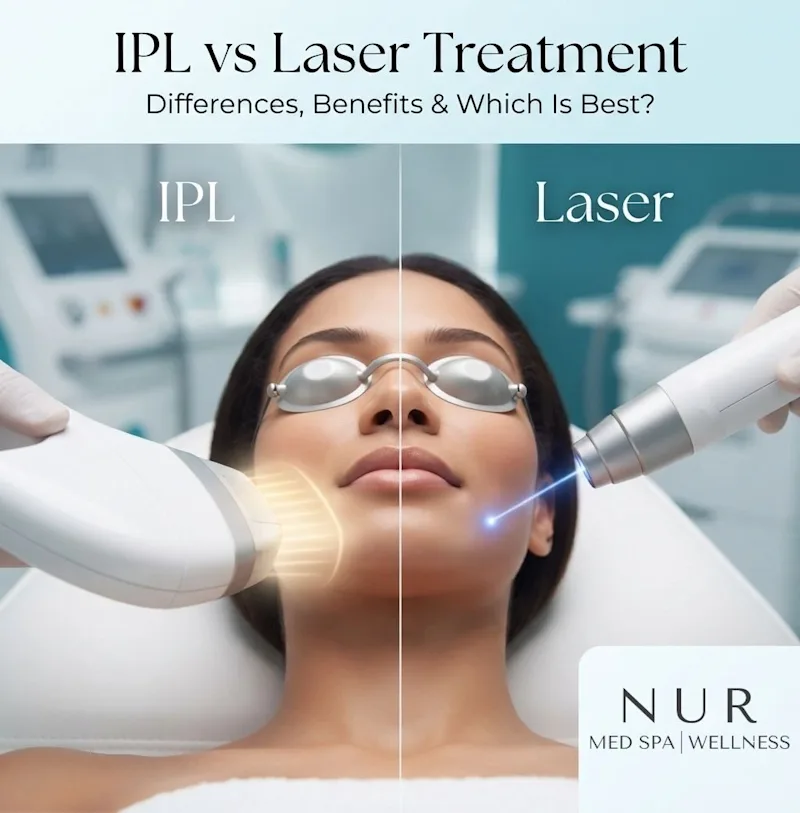
IPL and laser treatment both use light energy to treat skin concerns, but they work differently and produce different results. IPL (Intense Pulsed Light) emits multiple wavelengths of light, while laser devices emit a single, concentrated wavelength. This difference affects treatment precision, skin compatibility, recovery time, and the conditions each technology treats most effectively.
What Are Crow's Feet? Causes, Prevention & Treatment Options
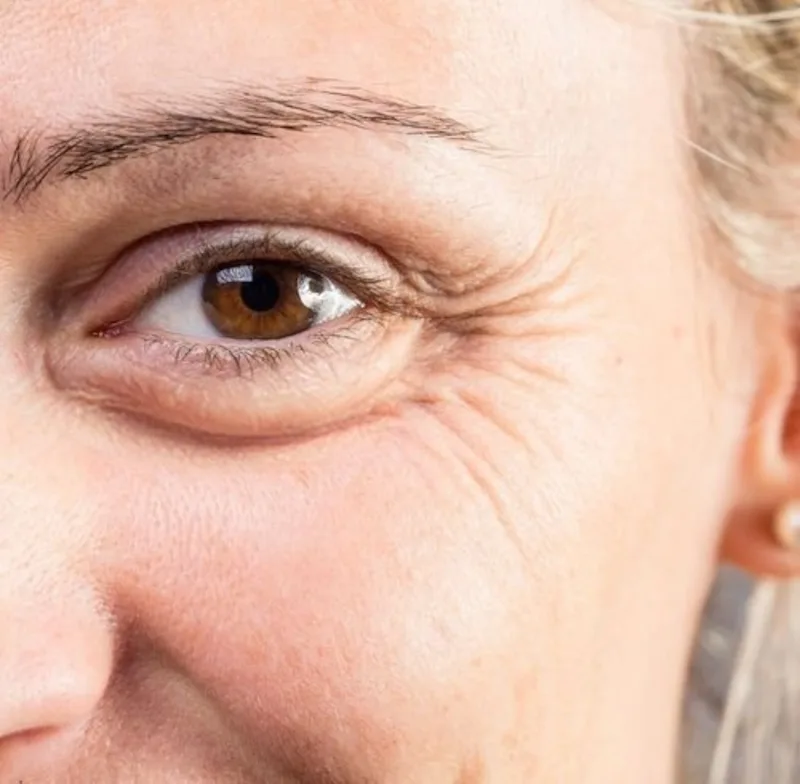
TL;DR: Crow's feet are the fine lines that fan out from the outer corners of your eyes. They come from repeated facial expression (dynamic lines) and from age-related collagen and elastin loss (static lines). Daily sunscreen and retinol can slow their progression, but neuromodulator injections, dermal fillers, laser resurfacing, and chemical peels treat existing lines directly. Most patients get the fastest results from injections, and a combination plan works best for lasting improvement.

How Long Does Botox Last? What to Expect
Botox typically lasts 3 to 4 months for most patients, although the exact timeline varies based on the treatment area, dosage, muscle activity, and individual metabolism. Some areas, such as the masseter muscles, may maintain results for up to 6 months, while treatments like a lip flip usually wear off sooner. First-time patients usually see shorter results than repeat patients do.

Lip Filler Swelling Stages: What Your Lips Really Look Like While Healing
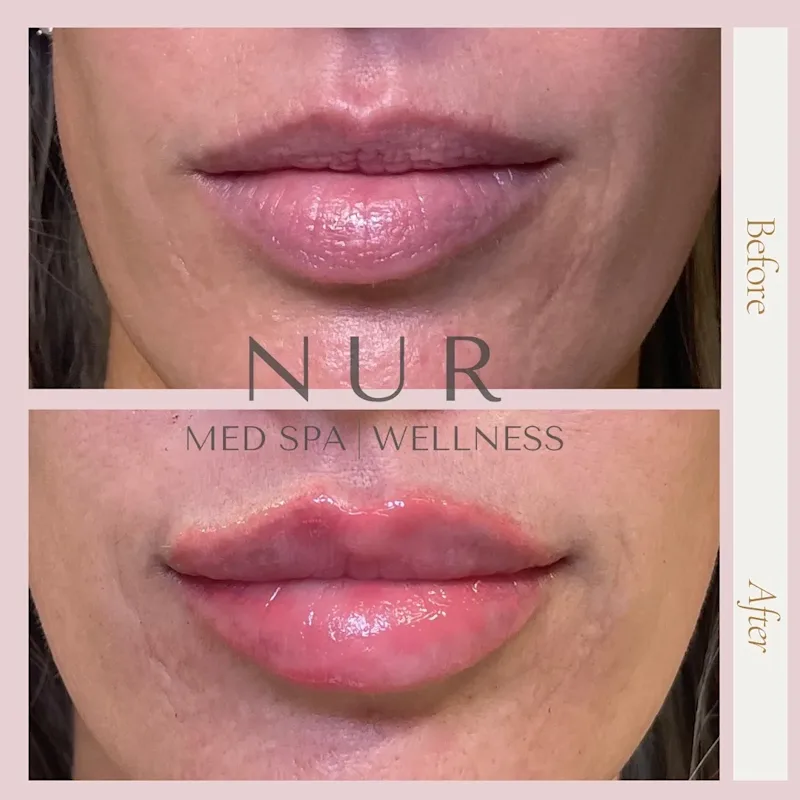
If your lips look overly swollen right after filler, don’t worry. That’s usually part of the process. The truth is, the lip filler swelling stages can be an emotional rollercoaster, especially during the first few days when swelling, tightness, and unevenness are at their peak. Many people think something went wrong before their lips even have time to heal properly.
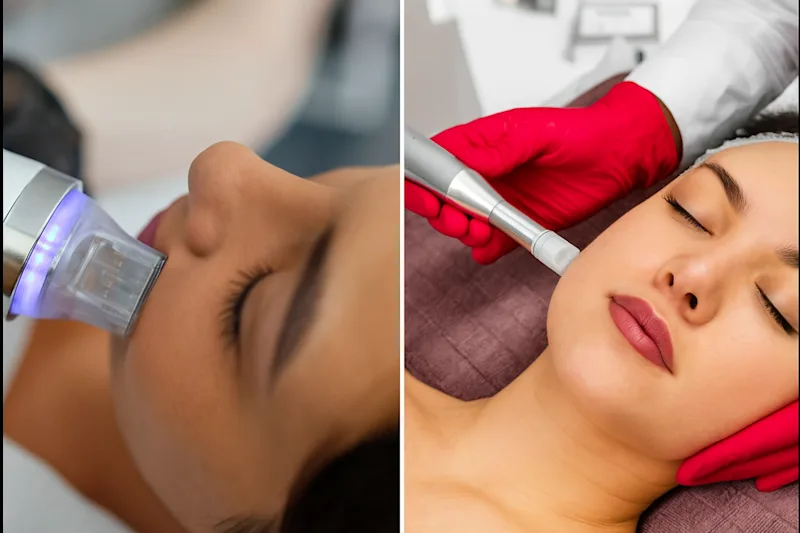
What Is a Medical Spa: Treatments, Costs & What to Expect
A medical spa, or med spa, is a licensed medical facility that combines the relaxing environment of a traditional spa with physician-supervised aesthetic treatments. Unlike a day spa, a med spa is classified as a medical practice. It offers non-surgical procedures that go beyond the skin's surface, including injectables, laser treatments, skin tightening, body contouring, and medical-grade skincare, all performed or overseen by a licensed healthcare provider.


CONFIDENCE AWAITS
Not Sure Which MedSpa Service You Need?
Explore personalized aesthetic solutions created to
address your skin goals and help you feel
confident in your natural beauty.Explore personalized aesthetic solutions created to address your skin goals and help you feel confident in your natural beauty.